News
Why Is the Meningitis Vaccine So Important for Protection?
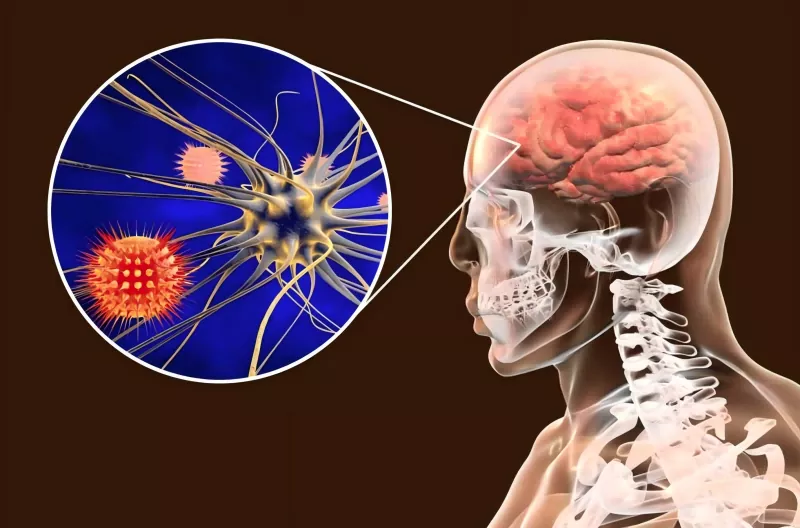
Meningitis is a potentially life-threatening infection that affects the protective membranes surrounding the brain and spinal cord. It can progress rapidly, sometimes within hours, making early prevention critical. The meningitis vaccine plays a vital role in reducing the risk of severe complications, disability, and death caused by different types of meningococcal bacteria. This article provides a comprehensive guide to understanding the meningitis vaccine, including how it works, who should receive it, vaccination schedules, benefits, safety considerations, global recommendations, and frequently asked questions. Whether you are a parent, traveler, student, or healthcare professional, this guide will help you make informed decisions about meningitis prevention.

Table of Contents
- Understanding Meningitis and Its Risks
- Types of Meningitis Infections
- What Is the Meningitis Vaccine?
- How the Vaccine Works
- Who Needs the Meningitis Vaccine?
- Vaccination Schedule and Doses
- Key Benefits of Vaccination
- Safety and Side Effects
- Common Myths and Misconceptions
- Global Recommendations and Requirements
- Vaccine Comparison Table
- Additional Prevention Strategies
- Frequently Asked Questions
- Conclusion
Understanding Meningitis and Its Risks
Meningitis is an inflammatory condition that affects the membranes covering the brain and spinal cord, known as the meninges. It is most commonly caused by bacterial or viral infections, although fungal and parasitic forms also exist. Bacterial meningitis is particularly dangerous because it can become fatal within 24–48 hours if not treated promptly.
The disease spreads through respiratory droplets, close personal contact, or sharing contaminated items. Crowded environments such as dormitories, military barracks, and schools increase transmission risk. Survivors of severe cases may experience long-term complications such as hearing loss, brain damage, or neurological disorders.
Types of Meningitis Infections
- Bacterial Meningitis: The most severe type, often caused by Neisseria meningitidis, Streptococcus pneumoniae, or Haemophilus influenzae type b.
- Viral Meningitis: More common but usually less severe, often resolving without specific treatment.
- Fungal Meningitis: Rare and typically affects individuals with weakened immune systems.
- Parasitic Meningitis: Extremely rare but highly dangerous.
What Is the Meningitis Vaccine?
The meningitis vaccine is a preventive immunization designed to protect individuals from infection caused by specific strains of meningococcal bacteria. It works by stimulating the immune system to recognize and fight the bacteria before they can cause disease.
There are several types of meningococcal vaccines, including:
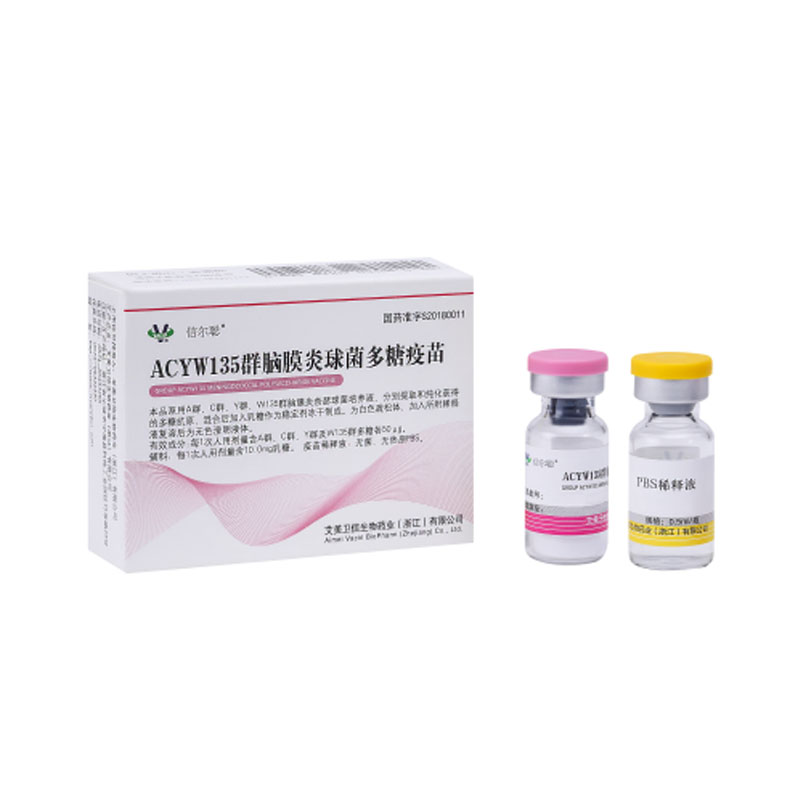
- MenACWY vaccine (protects against A, C, W, Y strains)
- MenB vaccine (protects against serogroup B)
These vaccines are widely recommended for adolescents, young adults, travelers, and individuals with certain medical conditions.
How the Vaccine Works
The meningitis vaccine introduces harmless components of the bacteria into the body. This triggers the immune system to produce antibodies. If the real bacteria enter the body later, the immune system can respond quickly and effectively.
The immune response mechanism can be summarized as follows:
| Stage | Immune Response |
|---|---|
| Vaccine Administration | Introduction of inactivated bacterial components |
| Immune Activation | Production of antibodies and memory cells |
| Future Exposure | Rapid immune response prevents infection |
Who Needs the Meningitis Vaccine?
Not everyone has the same risk level for meningitis. Certain groups are more vulnerable and should prioritize vaccination.
- Teenagers aged 11–18 years
- College and university students living in dormitories
- Military recruits
- Travelers to high-risk regions (such as the African meningitis belt)
- Individuals with weakened immune systems
- People without a functioning spleen
Vaccination Schedule and Doses
Vaccination schedules vary depending on age, health condition, and vaccine type. Below is a general guideline:
| Vaccine Type | Recommended Age | Doses |
|---|---|---|
| MenACWY | 11–12 years, booster at 16 | 2 doses |
| MenB | 16–23 years (based on risk) | 2–3 doses |
Key Benefits of Vaccination
- Significantly reduces risk of bacterial meningitis
- Protects against outbreaks in communities
- Reduces severity of infection if exposure occurs
- Helps prevent long-term complications
- Contributes to herd immunity
Widespread vaccination has been shown to dramatically reduce meningitis outbreaks in many countries.
Safety and Side Effects
The meningitis vaccine is generally safe and well-tolerated. Most side effects are mild and temporary.
- Pain or redness at injection site
- Mild fever
- Fatigue
- Headache
- Muscle pain
Severe allergic reactions are extremely rare. Vaccination benefits significantly outweigh potential risks.
Common Myths and Misconceptions
-
Myth: Healthy people don’t need the vaccine.
Fact: Healthy individuals can still contract meningitis. -
Myth: The vaccine causes meningitis.
Fact: The vaccine cannot cause the disease. -
Myth: One dose provides lifelong protection.
Fact: Boosters may be needed.
Global Recommendations and Requirements
Many countries include meningitis vaccination in their national immunization programs. Some universities and travel destinations require proof of vaccination before entry, especially in regions prone to outbreaks.
The African meningitis belt, which spans across several countries, experiences seasonal outbreaks, making vaccination particularly important for travelers.
Vaccine Comparison Table
| Vaccine Type | Coverage | Target Group | Effectiveness |
|---|---|---|---|
| MenACWY | A, C, W, Y strains | Teens, travelers | High |
| MenB | Serogroup B | Young adults | High |
Additional Prevention Strategies
While vaccination is the most effective prevention method, additional steps can reduce risk:
- Maintain good hand hygiene
- Avoid sharing utensils or drinks
- Cover mouth and nose when coughing or sneezing
- Maintain a healthy immune system through diet and rest
- Seek immediate medical attention for symptoms such as fever, stiff neck, or confusion
Frequently Asked Questions
1. Is the meningitis vaccine required for school?
In many regions, it is required or strongly recommended for adolescents and college students.
2. How long does protection last?
Protection varies by vaccine type, but boosters may be needed every few years.
3. Can adults get the meningitis vaccine?
Yes, especially if they are at increased risk or traveling to high-risk areas.
4. Is the vaccine safe during pregnancy?
It should be discussed with a healthcare provider, but some vaccines may be recommended in specific cases.
Conclusion
The meningitis vaccine is a powerful tool in preventing a disease that can escalate rapidly and cause severe health consequences. By understanding its importance, following recommended schedules, and maintaining preventive habits, individuals can significantly reduce their risk of infection. Public awareness and widespread vaccination continue to play a crucial role in controlling meningitis outbreaks worldwide.
As vaccine technology advances, manufacturers continue to improve safety, coverage, and accessibility, contributing to better global health outcomes.
For more information about high-quality vaccine production and solutions, please connect with AIM VACCINE CO., LTD.
Contact us today to learn more about our vaccine development capabilities, global supply solutions, and partnership opportunities. We are committed to supporting global immunization efforts with reliable and advanced vaccine technologies.
Related News
- What Is a Bacterial Meningitis Vaccine and How Does It Help Protect Against Severe Infection?
- Is the Freeze‑Dried Rabies Vaccine for Human Use Safe and Effective After a Dog Bite?
- Why Is ACYW135 Meningococcal Polysaccharide Vaccine Essential For Global Meningitis Prevention Campaigns?
- What Makes A-Type Meningitis Vaccine Essential for Global Health Protection?
- What Makes ACYW135 Meningococcal Polysaccharide Vaccine Effective Against Multiple Serogroups?
- How Does Anti-Hepatitis A Virus Vaccine Support Effective Protection Against Hepatitis A Infection?
Leave me a message