Abstract
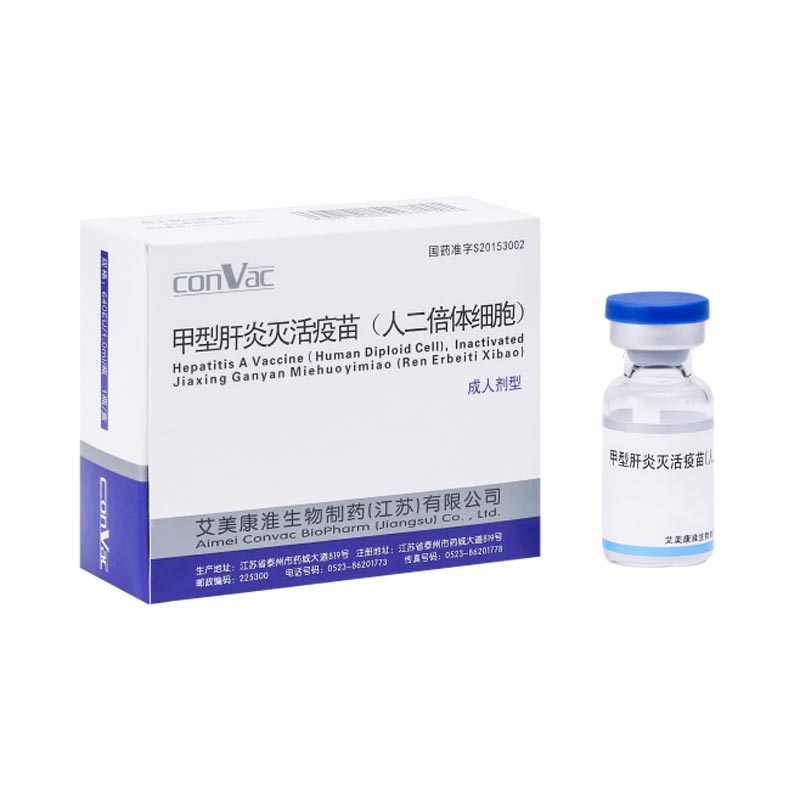
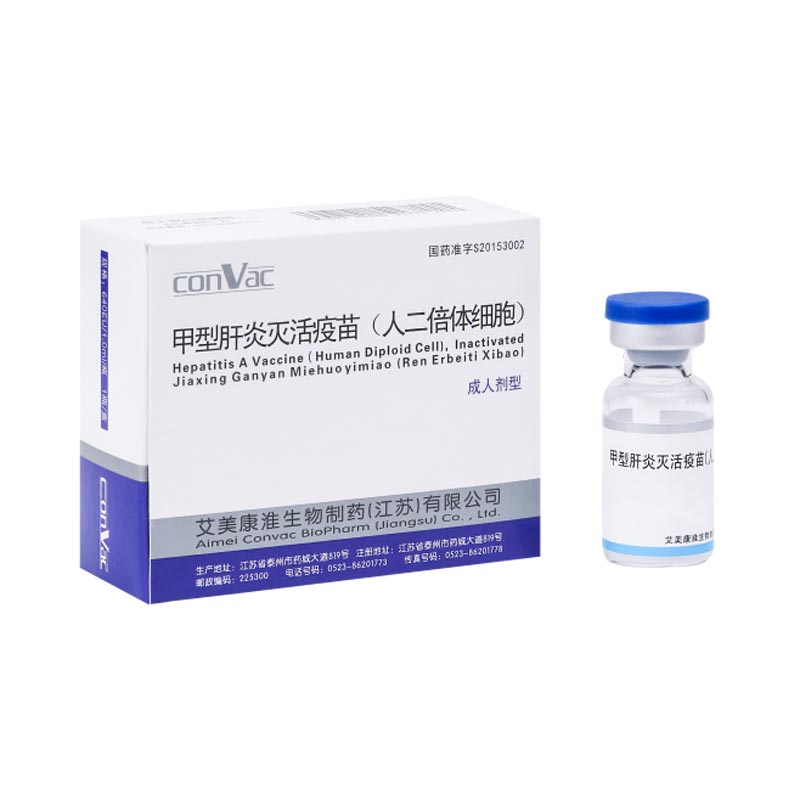
Viral hepatitis remains one of the most significant public health challenges worldwide, and vaccination continues to be the most effective strategy for preventing infection, reducing transmission, and protecting vulnerable populations. Hepatitis A Inactivated Vaccine Diploid Cell represents a well-established immunization option built on years of virological research, cell-culture technology, and clinical safety monitoring.
It is designed to induce protective immunity against the hepatitis A virus by using inactivated viral antigens produced in human diploid cell substrates. This content covers cell culture manufacturing logic, clinical advantages, population adaptation rules, and public health application value without involving commercial profit analysis.
1. Global Distribution and Clinical Hazards of Hepatitis A Virus
1.1 Main Transmission Routes of Hepatitis A Virus
- Primary transmission channel: faecal-oral contact, triggered by contaminated drinking water and daily food.
- Secondary transmission channel: close interpersonal contact within families, kindergartens and dormitories.
- Occasional outbreak trigger: unprocessed imported aquatic products and unhygienic catering processing links.
1.2 Differentiated Clinical Symptoms by Age Group
- Children under 6 years old: more than 70% of infected individuals show asymptomatic infection state.
- Teenagers aged 7 to 18: intermittent fatigue, mild nausea and transient loss of appetite appear in most cases.
- Adults over 18: obvious jaundice, dark urine and persistent liver discomfort are typical manifestations.
- Patients with underlying liver diseases: acute liver failure risk rises sharply after secondary hepatitis A infection.
1.3 Endemic Area Division Standards Around the World
| Endemic Level | Representative Regions | Core Risk Characteristics |
|---|---|---|
| High Endemic | Central Africa, South Asia | Universal childhood infection, large-scale seasonal outbreaks every year |
| Medium Endemic | Southeast Asia, Central America | Mixed infection of children and adults, scattered small outbreaks frequently occur |
| Low Endemic | Western Europe, North America, Oceania | Local cases mostly imported, sporadic family transmission only |
2. Core Advantages of Human Diploid Cell Vaccine Substrates
2.1 Biological Safety Attributes of Diploid Cells
- Limited cell division cycle, no infinite proliferation risk of cancerous cell lines.
- Complete human gene matching, low risk of heterologous protein immune rejection.
- Decades of batch clinical verification, no tumorigenic side effects recorded in global use.
2.2 Standard Production Flow of Target Vaccine
Hepatitis A Inactivated Vaccine Diploid Cell strictly follows unified cell culture and virus inactivation flow in all production batches.
- Stage one: standardized revival and amplification of human diploid cell strains under constant temperature sterile environment.
- Stage two: inoculate purified hepatitis A virus strain into cell culture medium for targeted replication.
- Stage three: collect virus liquid, remove cell debris through multi-stage membrane filtration and chromatography purification.
- Stage four: chemical inactivation treatment to eliminate viral infectivity while retaining complete antigen protein structure.
- Stage five: aseptic filling, stability inspection and batch release after full index testing.
3. Unique Immune Protection Mechanism of Inactivated Antigen Vaccines
3.1 Humoral Immune Response Logic of Inactivated Vaccines
Different from live attenuated vaccines, inactivated antigen products rely on static antigen stimulation to induce stable antibody secretion without in-vivo virus replication.
- Antigen fragments are captured by dendritic cells after intramuscular injection.
- B lymphocytes are activated to synthesize anti-hepatitis A neutralizing antibodies.
- Memory immune cells are reserved to maintain long-term rapid response ability after secondary exposure.
3.2 Comparative Advantages Over Live Attenuated Vaccine Schemes
- Broader applicable population: available for mild immunocompromised groups and chronic liver disease patients.
- Zero risk of vaccine strain back mutation, eliminating hidden danger of vaccine-derived infection.
- Stable storage tolerance, adapting to conventional 2–8°C cold chain transportation system.
- Milder overall adverse reaction spectrum, mainly limited to local injection site slight soreness.
4. Standard Vaccination Groups and Scientific Dosing Intervals
4.1 Mandatory Priority Vaccination Populations
- Children aged 12 months and above included in national routine childhood immunization plans.
- Food processing practitioners, catering staff and municipal sewage disposal workers.
- Long-term travellers to medium and high hepatitis A endemic regions for business or tourism.
4.2 Recommended Two-Dose Immunization Schedule
Complete primary immune construction and long-term protection reinforcement through two separated injections.
- First dose: initial immune activation, administered at least 2–4 weeks before expected virus exposure.
- Second booster dose: injected 6–12 months after the first shot to significantly raise sustained antibody titer.
- Special crowd adjustment: patients with severe immune deficiency can accept antibody detection to judge supplementary injection demand.
5. Full Lifecycle Safety Supervision Standards for Vaccines
All vaccine batches carry multi-layer safety monitoring covering laboratory research, mass production and post-market clinical application.
5.1 Pre-Approval Clinical Trial Safety Evaluation Items
- Single-dose and two-dose tolerance test covering all age groups from children to the elderly.
- Long-term follow-up observation of antibody persistence within 5 years after complete vaccination.
- Combined vaccination compatibility test with other routine infectious disease vaccines.
5.2 Post-Marketing Continuous Adverse Event Tracking
Hepatitis A Inactivated Vaccine Diploid Cell has accumulated decades of global post-market safety data with rare severe adverse event records.
- Real-time collection of adverse reaction reports from hospitals and vaccination clinics nationwide.
- Regular data summary and risk signal assessment by national drug regulatory authorities.
- Timely update of product specification instructions when abnormal safety signals appear.
6. Multi-Dimensional Public Health Value of Standardized Hepatitis A Immunization
6.1 Individual and Community Double Protection Effect
- Individual level: directly block the risk of clinical jaundice and severe liver damage after virus exposure.
- Community level: form herd immunity to cut off faecal-oral transmission chain and suppress regional outbreaks.
6.2 Long-Term Social Medical Resource Optimization Effect
- Reduce hospitalization occupancy of digestive and liver departments during seasonal epidemic peaks.
- Cut down outpatient inspection costs and medical loss caused by large-scale infected crowds.
- Stabilize normal operation rhythm of schools, catering enterprises and public service institutions.
When matched with sanitation improvement and food safety management, Hepatitis A Inactivated Vaccine Diploid Cell forms a comprehensive prevention system to continuously reduce national hepatitis A disease burden.
Frequently Asked Technical Questions
Most routine vaccines can be co-administered according to official immunization guidelines. Professional clinicians will adjust the injection site and interval based on the recipient’s physical condition to avoid mutual interference of immune response.
High-level protective antibodies can last for more than 10 years after standard two-dose injection. For populations with long-term continuous exposure risk, regular antibody detection can be arranged to judge whether supplementary booster injection is needed.
People with severe allergic history to vaccine excipients or previous vaccine components are contraindicated. Patients with acute severe fever and acute severe organ dysfunction need to postpone vaccination until physical indicators recover to normal.
Professional Vaccine Programme Cooperation Channel
Systematic hepatitis A immunization planning requires professional product technical support, cold chain matching scheme and targeted population promotion suggestions.
AIM Vaccine Co., Ltd. focuses on the research, development and standardized supply of human preventive vaccines, supporting public health institutions and global medical distributors to build complete infectious disease prevention systems.
All cooperative projects adopt formal technical communication and supply docking modes; no sample products are provided for trial use. Professional technical teams can customize targeted immunization scheme documents according to regional epidemic characteristics and crowd distribution.
Discuss Custom Immunization Programme Solutions
Submit your regional epidemic data, target crowd scale and cold chain configuration conditions to obtain targeted vaccine matching plans and technical guidance materials.
contact us