News
Why Is Hepatitis A Vaccine for Prevention Essential for Long-Term Health Protection?
Hepatitis A is a contagious viral infection that affects the liver and spreads mainly through contaminated food, water, and close personal contact. Vaccination remains one of the most effective methods for preventing outbreaks and reducing severe complications. This article explores everything readers need to know about hepatitis A vaccines, including how they work, who should get vaccinated, vaccine schedules, side effects, protection duration, public health benefits, and common misconceptions. Whether you are a traveler, parent, healthcare provider, or business seeking reliable vaccine solutions, this guide offers practical and trustworthy insights.

Table of Contents
- 1. What Is Hepatitis A?
- 2. Why Is Vaccination Important?
- 3. How Does the Vaccine Work?
- 4. Who Should Receive the Vaccine?
- 5. Recommended Vaccine Schedule
- 6. Vaccine Effectiveness and Duration
- 7. Common Side Effects and Safety
- 8. Hepatitis A Protection for Travelers
- 9. Vaccination for Children and Adults
- 10. Public Health Benefits
- 11. Prevention Methods Comparison
- 12. Common Myths About Hepatitis A Vaccines
- 13. Choosing a Trusted Vaccine Provider
- 14. Frequently Asked Questions
- 15. Conclusion
1. What Is Hepatitis A?
Hepatitis A is a liver infection caused by the hepatitis A virus (HAV). It spreads primarily through ingestion of contaminated food or water or through close contact with an infected person. Unlike hepatitis B and hepatitis C, hepatitis A does not usually become chronic, but it can still cause severe illness and temporary liver failure in some individuals.
Symptoms often include:
- Fatigue
- Nausea and vomiting
- Fever
- Abdominal pain
- Dark urine
- Yellowing of the skin and eyes
- Loss of appetite
The virus is highly contagious, making prevention especially important in schools, restaurants, healthcare facilities, and densely populated areas.
2. Why Is Vaccination Important?
Vaccination is considered the most reliable protection against hepatitis A infection. Good hygiene practices can help reduce risk, but they cannot guarantee complete prevention because the virus spreads easily and can survive in the environment for extended periods.
Key reasons vaccination matters include:
- Prevents liver inflammation and serious complications
- Reduces the spread of outbreaks
- Protects vulnerable populations
- Supports safer international travel
- Minimizes healthcare and hospitalization costs
- Provides long-lasting immunity
In many countries, widespread vaccination programs have dramatically lowered hepatitis A infection rates.
3. How Does the Vaccine Work?
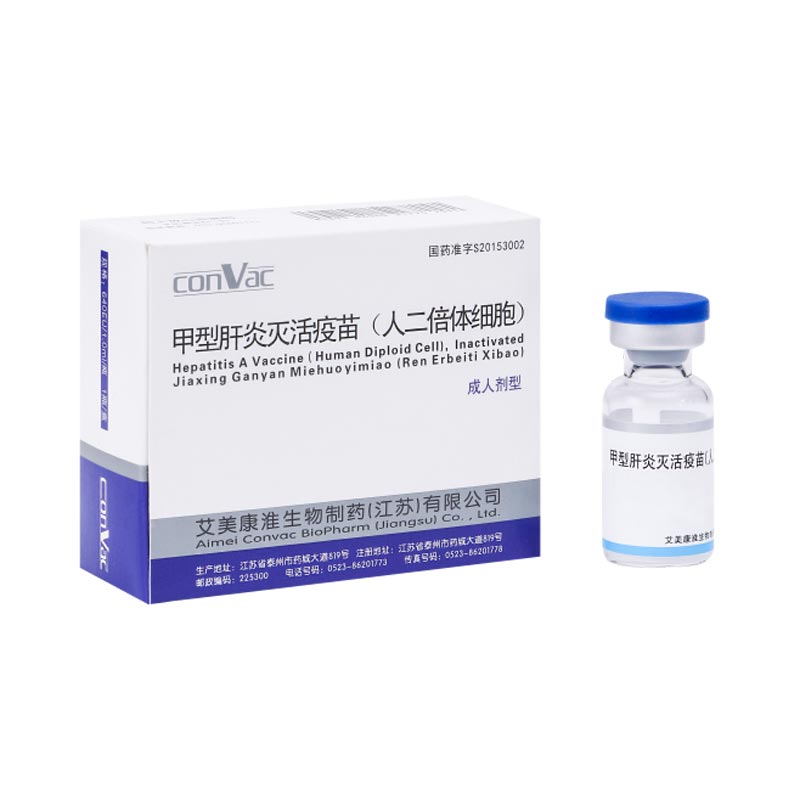
The hepatitis A vaccine stimulates the immune system to produce protective antibodies against the virus. Most vaccines use an inactivated form of the virus, meaning it cannot cause infection but can still trigger immunity.
Once vaccinated, the body “remembers” the virus and responds quickly if exposure occurs in the future. This rapid immune response helps prevent illness before symptoms develop.
| Feature | Details |
|---|---|
| Vaccine Type | Inactivated hepatitis A virus |
| Protection Start | Usually within 2–4 weeks |
| Dose Requirement | Typically 2 doses |
| Immunity Duration | Long-term protection, often decades |
4. Who Should Receive the Vaccine?
Hepatitis A vaccination is recommended for a wide range of people. While anyone can benefit from protection, certain groups face higher risks.
Recommended groups include:
- Children over 12 months old
- International travelers
- Healthcare professionals
- Food industry workers
- People with chronic liver disease
- Individuals living in outbreak-prone areas
- People in close-contact environments
- Laboratory personnel handling HAV samples
Vaccination is especially important for travelers visiting regions where sanitation standards may vary or hepatitis A is more common.
5. Recommended Vaccine Schedule
The hepatitis A vaccine is usually administered in two doses. The first dose provides strong initial protection, while the second dose ensures long-term immunity.
Standard Schedule:
- First Dose: Any suitable starting date
- Second Dose: 6 to 12 months after the first dose
Some combination vaccines may include protection against both hepatitis A and hepatitis B. Healthcare professionals can recommend the most suitable option based on individual needs.
6. Vaccine Effectiveness and Duration
Hepatitis A vaccines are highly effective. Studies have shown that more than 95% of healthy individuals develop protective antibodies after the first dose, with nearly complete protection after the second dose.
Benefits of vaccine effectiveness include:
- Rapid immune response
- Long-term protection
- Reduced outbreak transmission
- Lower hospitalization rates
- Community-wide immunity support
Research suggests immunity may last 20 years or more, making hepatitis A vaccination one of the most dependable preventive healthcare measures available.
7. Common Side Effects and Safety
Hepatitis A vaccines are widely regarded as safe. Most side effects are mild and temporary.
| Common Side Effect | Typical Duration |
|---|---|
| Soreness at injection site | 1–2 days |
| Mild fever | 1–2 days |
| Fatigue | Short-term |
| Headache | Temporary |
Serious allergic reactions are extremely rare. Individuals with known allergies to vaccine ingredients should consult healthcare providers before vaccination.
8. Hepatitis A Protection for Travelers
International travelers are among the highest-priority groups for hepatitis A prevention. Exposure can occur through contaminated food, untreated water, ice cubes, raw seafood, or close interaction with infected individuals.
Travel vaccination offers several advantages:
- Reduces risk during overseas trips
- Helps avoid travel disruptions caused by illness
- Provides peace of mind while dining abroad
- Supports safer business travel
Experts generally recommend receiving the vaccine at least two weeks before departure for optimal protection.
9. Vaccination for Children and Adults
Both children and adults benefit significantly from hepatitis A immunization.
For children, vaccination reduces school outbreaks and supports healthy development. For adults, it lowers the risk of workplace transmission and severe illness.
Key Advantages for Different Age Groups
- Children: Early immunity and outbreak prevention
- Teenagers: Safer school and social interactions
- Adults: Protection during travel and work
- Seniors: Reduced risk of severe complications
10. Public Health Benefits
Vaccination programs not only protect individuals but also strengthen public health systems. When large portions of the population are vaccinated, virus transmission becomes significantly harder.
Public health benefits include:
- Reduced outbreak frequency
- Lower medical treatment costs
- Safer food service environments
- Improved workplace health standards
- Enhanced international disease control
Governments and healthcare organizations continue to encourage hepatitis A immunization as part of broader infectious disease prevention strategies.
11. Prevention Methods Comparison
| Prevention Method | Effectiveness | Long-Term Protection | Limitations |
|---|---|---|---|
| Vaccination | Very High | Yes | Requires scheduled doses |
| Handwashing | Moderate | No | Cannot fully prevent exposure |
| Food Safety | Moderate | No | Dependent on external conditions |
12. Common Myths About Hepatitis A Vaccines
Misinformation often prevents people from seeking proper protection. Understanding the facts helps individuals make informed healthcare decisions.
-
Myth: Hepatitis A is not serious.
Fact: It can cause severe liver complications and hospitalization. -
Myth: Healthy people do not need vaccination.
Fact: Anyone can become infected through contaminated food or water. -
Myth: One dose is always enough.
Fact: The second dose is important for long-term immunity. -
Myth: Vaccines cause hepatitis infection.
Fact: Inactivated vaccines cannot cause hepatitis A disease.
13. Choosing a Trusted Vaccine Provider
Selecting a reliable vaccine manufacturer and supplier is essential for ensuring quality, safety, and regulatory compliance. Organizations should prioritize providers with strong research capabilities, advanced manufacturing standards, and global distribution experience.
AIM VACCINE CO., LTD. is committed to advancing vaccine innovation and delivering reliable preventive healthcare solutions. With a focus on quality control, scientific development, and public health support, the company continues to contribute to global disease prevention initiatives.
Businesses, healthcare institutions, and distributors should consider factors such as production capacity, certification standards, cold-chain logistics, and technical support when selecting vaccine partners.
14. Frequently Asked Questions
Q1: How long does hepatitis A vaccine protection last?
Protection can last for decades after completing the recommended vaccine schedule.
Q2: Can adults receive the hepatitis A vaccine?
Yes. Adults who were not vaccinated during childhood can still receive the vaccine and gain strong protection.
Q3: Is the vaccine safe for children?
Yes. The vaccine has been widely tested and is recommended for children over 12 months old.
Q4: Can vaccinated individuals still spread hepatitis A?
Vaccination significantly reduces the likelihood of infection and transmission.
Q5: When should travelers get vaccinated?
Ideally, travelers should receive the vaccine at least two weeks before departure.
15. Conclusion
Hepatitis A remains a global health concern, but vaccination provides a highly effective and dependable defense against infection. From protecting travelers and children to reducing public health outbreaks, hepatitis A vaccines play a critical role in modern preventive healthcare.
Understanding vaccine schedules, safety profiles, and long-term benefits empowers individuals and organizations to make informed health decisions. By combining vaccination with good hygiene and food safety practices, communities can significantly reduce the burden of hepatitis A worldwide.
AIM VACCINE CO., LTD. is ready to support your healthcare and distribution needs with reliable vaccine products and professional services. Contact us today to learn more about our vaccine solutions and partnership opportunities.
Related News
- Is the Freeze‑Dried Rabies Vaccine for Human Use Safe and Effective After a Dog Bite?
- Why Is ACYW135 Meningococcal Polysaccharide Vaccine Essential For Global Meningitis Prevention Campaigns?
- What Makes A-Type Meningitis Vaccine Essential for Global Health Protection?
- What Makes ACYW135 Meningococcal Polysaccharide Vaccine Effective Against Multiple Serogroups?
- How Does Anti-Hepatitis A Virus Vaccine Support Effective Protection Against Hepatitis A Infection?
- Hepatitis A Inactivated Vaccine Diploid Cell: What Makes It a Reliable Choice for Modern Immunization Programmes?
Leave me a message