News
Why Is Meningococcal Polysaccharide Vaccine Essential for Protecting Against Serious Meningococcal Disease?
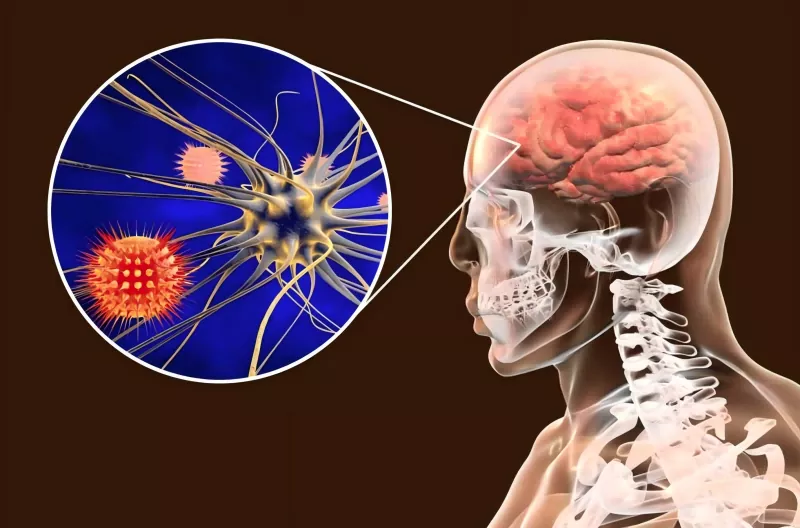
Meningococcal disease is one of the most rapidly progressing bacterial infections in the world. It can lead to meningitis, bloodstream infections, permanent disabilities, and death within hours. Vaccination remains the most effective preventive measure.
This comprehensive guide explores everything you need to know about the Meningococcal Polysaccharide Vaccine, including its mechanism of action, benefits, indications, effectiveness, safety profile, differences from conjugate vaccines, vaccination schedules, and future developments.
Healthcare professionals, travelers, governments, educational institutions, military organizations, and public health authorities continue to recognize meningococcal vaccination as a crucial strategy for disease control.

Contents
- What Is a Meningococcal Polysaccharide Vaccine?
- Why Is Meningococcal Disease So Dangerous?
- How Does the Vaccine Work?
- Key Benefits of Vaccination
- Who Should Receive the Vaccine?
- Polysaccharide vs Conjugate Vaccines
- Vaccination Schedules and Administration
- Safety and Side Effects
- Global Public Health Impact
- Future Trends in Meningococcal Prevention
- FAQ
- Contact Us
What Is a Meningococcal Polysaccharide Vaccine?
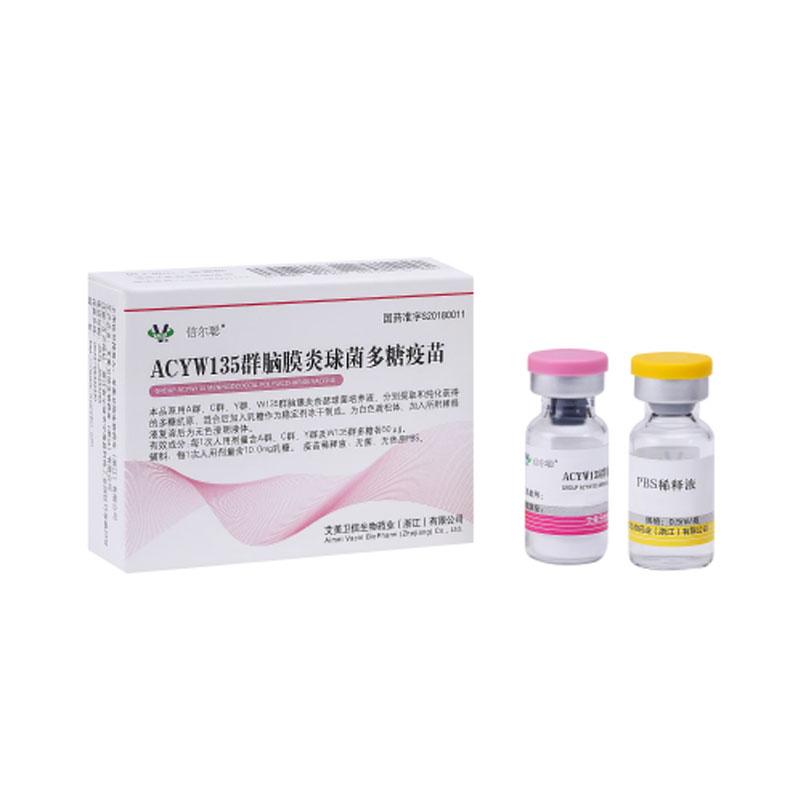
A Meningococcal Polysaccharide Vaccine is designed to protect individuals from infections caused by Neisseria meningitidis, a bacterium responsible for invasive meningococcal disease.
The vaccine contains purified polysaccharides extracted from the outer capsule of meningococcal bacteria. These polysaccharides stimulate the immune system to recognize and respond quickly when exposed to the actual pathogen.
Different formulations may protect against multiple meningococcal serogroups, including:
- Serogroup A
- Serogroup C
- Serogroup Y
- Serogroup W-135
Rapid diagnosis and treatment are critical, but vaccination offers the strongest preventive protection before exposure occurs.
Why Is Meningococcal Disease So Dangerous?
Meningococcal disease can develop suddenly and progress with alarming speed. Even healthy individuals can become critically ill within hours.
| Complication | Potential Impact |
|---|---|
| Meningitis | Brain and spinal cord inflammation |
| Septicemia | Severe bloodstream infection |
| Hearing Loss | Permanent disability |
| Neurological Damage | Long-term cognitive impairment |
| Death | Can occur within 24 hours |
Because symptoms often resemble common illnesses during early stages, prevention through vaccination is especially important.
How Does the Vaccine Work?
After administration, the immune system recognizes the bacterial polysaccharides as foreign substances.
Immune cells generate antibodies specifically targeted against meningococcal capsules. If exposure occurs later, these antibodies help neutralize the bacteria before serious infection develops.
- Stimulates antibody production
- Provides targeted immune recognition
- Reduces disease risk
- Supports outbreak control efforts
What Are the Key Benefits of Meningococcal Polysaccharide Vaccines?
- Broad protection against multiple serogroups
- Rapid immune response development
- Suitable for outbreak intervention programs
- Valuable for travelers entering high-risk regions
- Important protection for military personnel and students
- Established manufacturing technology
- Long history of clinical use worldwide
Who Should Receive the Vaccine?
| Population Group | Reason for Vaccination |
|---|---|
| Travelers | Exposure to endemic regions |
| Military Recruits | Close living conditions |
| College Students | Dormitory environments |
| Healthcare Workers | Occupational exposure risk |
| Outbreak Communities | Immediate disease prevention |
| Laboratory Personnel | Frequent pathogen handling |
How Does a Polysaccharide Vaccine Compare with a Conjugate Vaccine?
| Feature | Polysaccharide Vaccine | Conjugate Vaccine |
|---|---|---|
| Immune Memory | Limited | Stronger |
| Booster Response | Lower | Higher |
| Outbreak Control | Effective | Effective |
| Technology Complexity | Simpler | More Advanced |
| Historical Usage | Extensive | Increasing |
Although conjugate vaccines have gained wider adoption in many regions, polysaccharide vaccines continue to play an important role in public health strategies and outbreak management.
What Should You Know About Vaccination Schedules?
Vaccination schedules vary according to age, risk category, geographic location, and national immunization policies.
- Single-dose administration is common in many circumstances.
- Booster recommendations depend on risk exposure.
- Travel-related vaccination may require proof before entry.
- Outbreak response campaigns may use emergency schedules.
Individuals should always follow recommendations provided by healthcare professionals and local health authorities.
Is the Meningococcal Polysaccharide Vaccine Safe?
The vaccine has demonstrated a favorable safety profile over decades of use.
| Common Reaction | Typical Duration |
|---|---|
| Injection Site Pain | 1-2 Days |
| Mild Fever | 1-3 Days |
| Fatigue | Short-Term |
| Headache | Temporary |
Serious adverse reactions are uncommon. Healthcare providers assess vaccination suitability based on medical history and individual risk factors.
How Has Vaccination Influenced Global Public Health?
Vaccination programs have significantly reduced meningococcal disease incidence in numerous countries.
Mass immunization campaigns have demonstrated remarkable effectiveness in controlling outbreaks and protecting vulnerable populations.
These efforts contribute to reduced mortality, lower healthcare costs, improved public confidence, and stronger community protection.
What Does the Future Hold for Meningococcal Disease Prevention?
Research continues to focus on:
- Broader serogroup coverage
- Longer-lasting immunity
- Improved vaccine accessibility
- Enhanced manufacturing efficiency
- Global vaccination equity
- Novel combination vaccines
Manufacturers and researchers are investing heavily in innovation to strengthen worldwide protection against meningococcal disease.
Companies such as AIM VACCINE CO., LTD. continue contributing to vaccine development, production, and global immunization initiatives that support disease prevention efforts.
Frequently Asked Questions
Q1: What disease does the meningococcal polysaccharide vaccine prevent?
It helps protect against invasive diseases caused by Neisseria meningitidis, including meningitis and bloodstream infections.
Q2: How quickly does immunity develop?
Protective antibodies typically develop within days to weeks after vaccination.
Q3: Who faces the highest risk?
Travelers, military recruits, students in shared housing, healthcare workers, and people living in outbreak areas may face increased risk.
Q4: Can adults receive the vaccine?
Yes. Adults may receive the vaccine based on travel requirements, occupational exposure, or medical recommendations.
Q5: Is vaccination better than relying on treatment?
Yes. Vaccination prevents disease before infection occurs, while treatment begins only after illness develops.
Q6: Are booster doses necessary?
Booster recommendations depend on age, risk level, and public health guidelines.
Protect Communities Through Prevention
Preventing meningococcal disease begins with awareness, preparedness, and access to reliable vaccination solutions.
Whether you are a healthcare institution, distributor, government procurement agency, travel health provider, or public health organization, choosing trusted vaccine partners can help strengthen disease prevention programs and protect vulnerable populations.
Contact Us Today to learn more about meningococcal vaccine solutions, product information, technical support, and partnership opportunities. Together, we can contribute to a healthier and safer future.
Related News
- What Is a Bacterial Meningitis Vaccine and How Does It Help Protect Against Severe Infection?
- Is the Freeze‑Dried Rabies Vaccine for Human Use Safe and Effective After a Dog Bite?
- Why Is ACYW135 Meningococcal Polysaccharide Vaccine Essential For Global Meningitis Prevention Campaigns?
- What Makes A-Type Meningitis Vaccine Essential for Global Health Protection?
- What Makes ACYW135 Meningococcal Polysaccharide Vaccine Effective Against Multiple Serogroups?
- How Does Anti-Hepatitis A Virus Vaccine Support Effective Protection Against Hepatitis A Infection?
Leave me a message