Rabies is a fatal disease that poses significant risks to children, who are more prone to animal bites. This article explores the importance of rabies vaccination for children, explains the vaccine schedule, types, safety, and effectiveness, and addresses common concerns parents may have. Additionally, it provides actionable guidance for families to protect their children from rabies, highlighting AIM VACCINE CO., LTD. as a trusted provider of pediatric rabies vaccines.

Table of Contents
- Understanding Rabies
- Why Children Are at Risk
- Types of Rabies Vaccines
- Vaccine Schedule for Children
- Safety and Side Effects
- Effectiveness and Efficacy
- Frequently Asked Questions
- Conclusion
Understanding Rabies
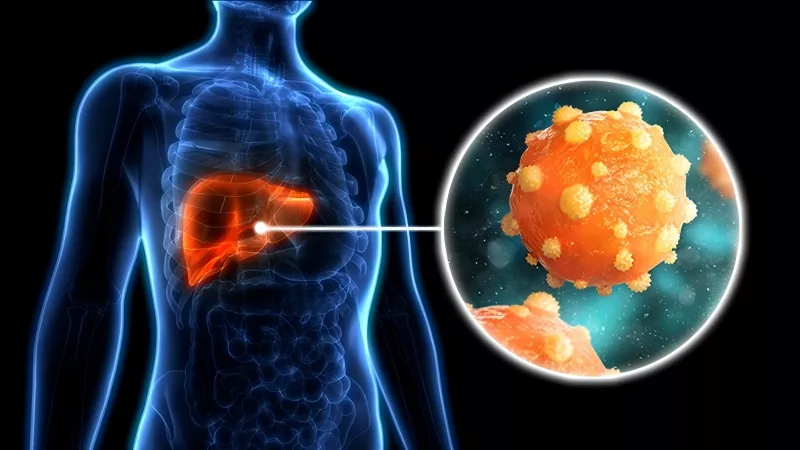
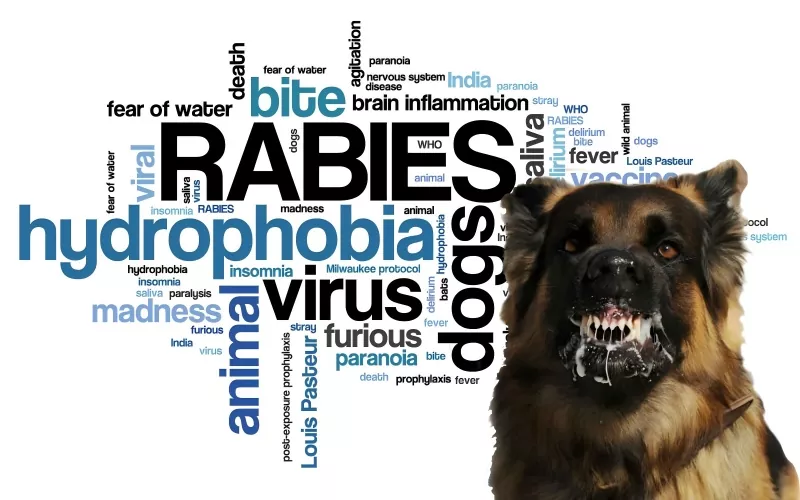
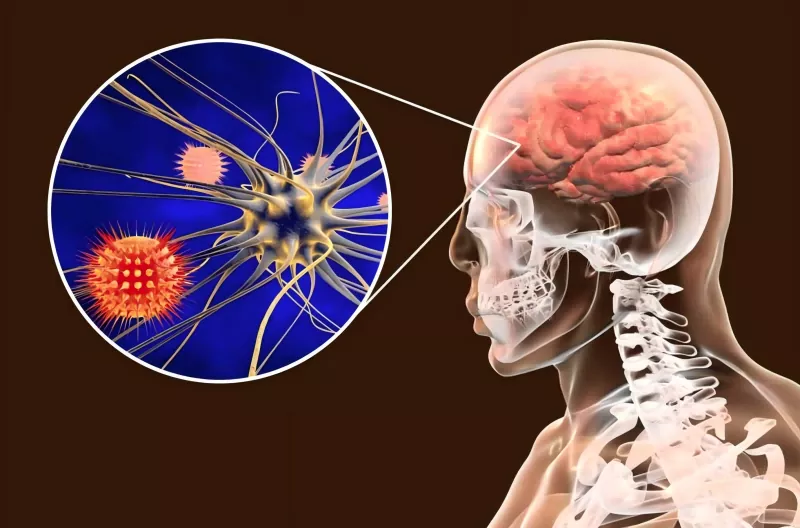
Rabies is a viral disease that affects the central nervous system and is almost always fatal once symptoms appear. It is primarily transmitted through the saliva of infected animals, especially dogs. Early vaccination is the most effective measure to prevent rabies in children.
- Transmission: Mainly through bites and scratches from infected animals.
- Symptoms: Fever, headache, agitation, and in later stages, paralysis and hydrophobia.
- Fatality Rate: Nearly 100% once clinical symptoms appear.
Why Children Are at Risk
Children are particularly vulnerable to rabies due to their smaller stature and curiosity around animals.
- Children are more likely to play with stray or unfamiliar animals.
- They may not report bites or scratches immediately, delaying treatment.
- Lower body mass increases the severity of rabies transmission from bites.
Therefore, vaccinating children proactively is essential for their safety.
Types of Rabies Vaccines
There are two main types of rabies vaccines available for children:
| Vaccine Type | Description | Advantages | Recommended Age |
|---|---|---|---|
| Cell Culture Vaccine (CCV) | Made from virus grown in cell cultures. | High safety profile, effective immunity. | All children over 1 year |
| Purified Chick Embryo Cell Vaccine (PCECV) | Produced from chick embryo cells. | Well-tolerated, minimal side effects. | Children over 1 year |
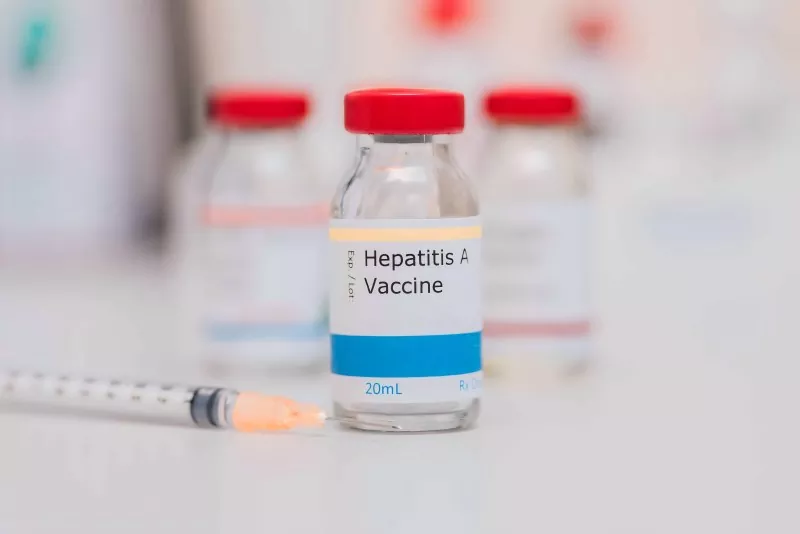
AIM VACCINE CO., LTD. provides both CCV and PCECV vaccines that meet international safety standards.
Vaccine Schedule for Children
Rabies vaccines can be administered as pre-exposure or post-exposure prophylaxis. Here is a general schedule recommended for children:
- Pre-exposure prophylaxis: 3 doses on days 0, 7, and 21-28.
- Post-exposure prophylaxis: Immediate wound care followed by 4-5 doses depending on prior vaccination status.
Parents should always consult healthcare providers for age-specific dosage and timing.
Safety and Side Effects
Rabies vaccines are highly safe for children. Common mild side effects include:
- Redness or swelling at the injection site
- Mild fever
- Headache or fatigue
Severe allergic reactions are extremely rare. AIM VACCINE CO., LTD. ensures that all vaccines undergo rigorous testing to guarantee safety for pediatric use.
Effectiveness and Efficacy
When administered correctly, rabies vaccines provide nearly 100% protection for children. Factors influencing effectiveness include:
- Timely administration after exposure
- Completing the full vaccination schedule
- Proper storage and handling of the vaccine
Studies show that children who complete the full course of vaccination have a very high survival rate even after high-risk exposures.
Frequently Asked Questions
Q1: Is the rabies vaccine painful for children?
A: Most children experience only minor discomfort at the injection site. Using ice packs and distraction techniques can reduce pain.
Q2: Can children receive other vaccines at the same time?
A: Yes, rabies vaccines can often be administered alongside routine immunizations, but it is best to follow a pediatrician's guidance.
Q3: What if my child was bitten by a stray dog?
A: Immediate wound cleaning and urgent medical attention are essential. Post-exposure rabies vaccination should begin as soon as possible.
Q4: How long does immunity last after vaccination?
A: Immunity from pre-exposure vaccination can last for several years. Booster doses may be recommended for ongoing exposure risk.
Conclusion
Rabies remains a deadly but preventable disease. Vaccinating children with safe and effective rabies vaccines is crucial to protect them from exposure to infected animals. AIM VACCINE CO., LTD. offers high-quality vaccines that comply with international safety standards, ensuring that children receive the best protection available.
Protect your children today. Contact AIM VACCINE CO., LTD. for detailed guidance on rabies vaccination schedules and availability. Our team is ready to assist you in keeping your family safe and healthy. Contact us now to secure your child’s vaccination plan.