News
Why Is Children Meningitis Vaccine Essential for Long-Term Protection?
Meningitis remains one of the most serious infectious diseases affecting children worldwide. It can progress rapidly, leading to severe complications such as brain damage, hearing loss, learning disabilities, or even death. The children meningitis vaccine plays a crucial role in preventing these outcomes by building early immunity against multiple strains of meningococcal bacteria. This article explores everything parents need to know—from understanding the disease, vaccine types, safety considerations, immunization schedules, and common misconceptions, to long-term health benefits and global prevention strategies. The goal is to help families make informed, confident decisions about protecting their children.

Table of Contents
- Understanding Meningitis in Children
- Why Vaccination Matters for Child Health
- Types of Children Meningitis Vaccines
- How the Vaccine Works in the Immune System
- Recommended Immunization Schedule
- Safety, Side Effects, and Risk Evaluation
- Common Myths and Misunderstandings
- Global Impact of Meningitis Prevention
- Practical Guidance for Parents
- Frequently Asked Questions (FAQ)
- Conclusion and Professional Recommendation
Understanding Meningitis in Children
Meningitis is an inflammation of the protective membranes covering the brain and spinal cord, known as the meninges. In children, especially infants and toddlers, the immune system is still developing, making them more vulnerable to infections caused by bacteria such as Neisseria meningitidis, Streptococcus pneumoniae, and Haemophilus influenzae type b.
The disease can develop suddenly and worsen within hours. Early symptoms may resemble flu, which makes it difficult for parents to recognize immediately. Common signs include high fever, stiff neck, vomiting, sensitivity to light, irritability, and in severe cases, seizures or loss of consciousness.
Because meningitis can be life-threatening, prevention through vaccination is considered one of the most effective public health strategies available today.
Why Vaccination Matters for Child Health
The children meningitis vaccine is designed to reduce the risk of infection and prevent outbreaks. Vaccination does not only protect the individual child but also contributes to community immunity, reducing the overall spread of disease.
Key reasons vaccination is essential include:
- Rapid disease progression: Meningitis can become severe within 24 hours.
- High mortality rate: Without treatment, bacterial meningitis can be fatal.
- Long-term complications: Survivors may suffer neurological damage or developmental delays.
- Prevention is more effective than treatment: Antibiotics may not reverse damage once infection progresses.
Vaccination significantly reduces hospitalization rates and long-term disabilities, making it a cornerstone of pediatric preventive healthcare.
Types of Children Meningitis Vaccines
There are several types of vaccines designed to protect against different strains of meningococcal bacteria. Understanding them helps parents choose appropriate immunization schedules based on medical guidance.
| Vaccine Type | Protection Target | Typical Use | Age Group |
|---|---|---|---|
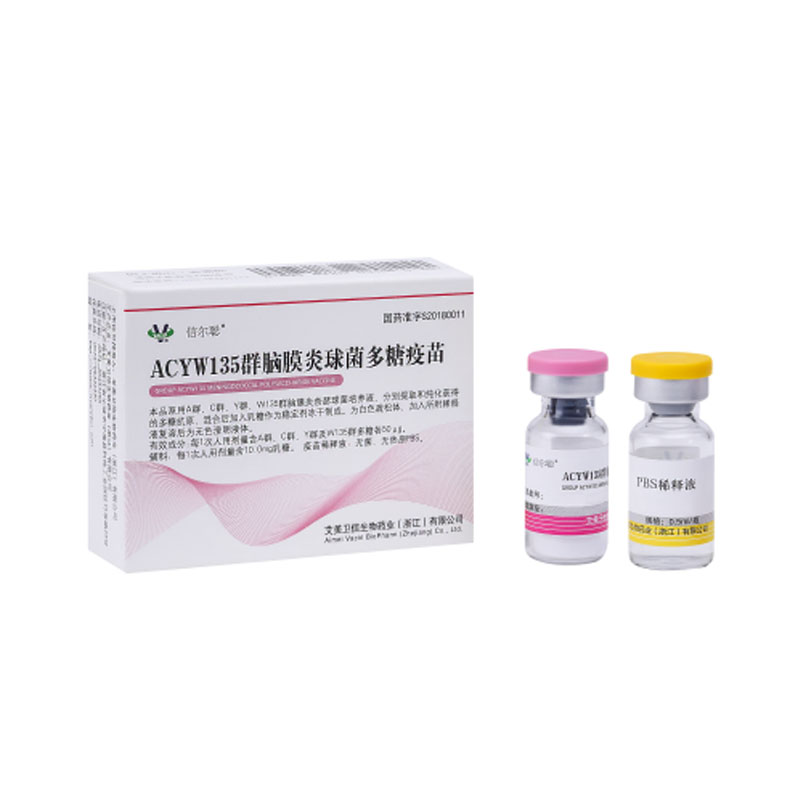
| MenACWY Vaccine | A, C, W, Y strains | Routine adolescent immunization | Children & teenagers |
| MenB Vaccine | Serogroup B | High-risk groups and infants | Infants, children, young adults |
| Hib Vaccine | Haemophilus influenzae type b | Routine childhood immunization | Infants and toddlers |
| Pneumococcal Vaccine | Streptococcus pneumoniae | Prevention of bacterial meningitis | Infants and young children |
Each vaccine targets specific pathogens, and in many countries, a combination schedule is used to provide comprehensive protection.
How the Vaccine Works in the Immune System
When a child receives the meningitis vaccine, the immune system is exposed to inactivated or weakened components of bacteria. This exposure does not cause illness but trains the immune system to recognize and fight the bacteria in the future.
The process involves:
- Recognition of bacterial antigens
- Activation of immune cells
- Production of antibodies
- Formation of immune memory cells
This immune memory ensures that if the child is later exposed to the actual bacteria, the body can respond quickly and effectively, preventing infection or significantly reducing its severity.
Recommended Immunization Schedule
Vaccination timing is critical for ensuring maximum protection during vulnerable early years. While schedules may vary by country, general recommendations include:
- 2 months old: First dose of Hib and pneumococcal vaccine
- 4 months old: Second dose of primary vaccines
- 6 months old: Additional booster doses depending on vaccine type
- 12–15 months: Final infant boosters
- 11–12 years: MenACWY vaccine for adolescents
Following the recommended schedule ensures long-lasting immunity and reduces the risk of infection during critical developmental stages.
Safety, Side Effects, and Risk Evaluation
The children meningitis vaccine is widely considered safe and has undergone extensive clinical testing before approval. Like all medical interventions, it may cause mild side effects, but serious reactions are extremely rare.
Common mild side effects include:
- Soreness or redness at injection site
- Low-grade fever
- Fatigue or irritability
- Mild headache or muscle discomfort
Rare side effects may include:
- Allergic reactions
- Temporary swelling of lymph nodes
Medical professionals emphasize that the risk of complications from meningitis infection is significantly higher than the risk of vaccine side effects.
Common Myths and Misunderstandings
Despite strong scientific evidence, misinformation about meningitis vaccines still exists. Addressing these myths is important for public awareness.
-
Myth: Vaccines cause meningitis
Fact: Vaccines do not contain live bacteria that can cause the disease. -
Myth: Healthy children do not need vaccination
Fact: Even healthy children can contract meningitis unexpectedly. -
Myth: Natural immunity is better
Fact: Natural infection carries high risk of death and complications. -
Myth: One dose is enough for life
Fact: Boosters are often required for sustained protection.
Global Impact of Meningitis Prevention
The introduction of widespread vaccination programs has dramatically reduced meningitis cases in many countries. Regions with high vaccination coverage report fewer outbreaks and lower child mortality rates.
Public health initiatives have shown that consistent immunization can:
- Reduce bacterial meningitis cases by over 80% in vaccinated populations
- Prevent long-term neurological disabilities in survivors
- Decrease healthcare costs associated with emergency treatment
These outcomes highlight the importance of continuing global vaccination efforts.
Practical Guidance for Parents
Parents play a critical role in ensuring timely vaccination. Here are some practical tips:
- Maintain a vaccination record from birth
- Follow pediatrician-recommended schedules strictly
- Do not delay vaccines due to minor illnesses
- Ask healthcare providers about booster requirements
- Monitor children for mild side effects after vaccination
Communication with healthcare professionals ensures children receive the best possible protection based on their health condition and regional guidelines.
Frequently Asked Questions (FAQ)
Q1: At what age should children get the meningitis vaccine?
Most children begin vaccination at 2 months of age, with boosters throughout early childhood and adolescence.
Q2: Is the meningitis vaccine mandatory?
Requirements vary by country, but it is strongly recommended in most national immunization programs.
Q3: How long does protection last?
Protection duration depends on the vaccine type, but booster doses may be required for long-term immunity.
Q4: Can the vaccine be given with other vaccines?
Yes, it is commonly administered alongside routine childhood vaccines.
Q5: What should I do if my child misses a dose?
Consult a healthcare provider to reschedule and continue the vaccination series safely.
Conclusion and Professional Recommendation
Meningitis remains a serious but preventable disease. With the availability of safe and effective vaccines, protecting children has become more achievable than ever before. Early immunization not only safeguards individual health but also contributes to broader community protection.
Parents are encouraged to follow vaccination schedules carefully and consult healthcare professionals for personalized advice. Prevention remains the most powerful tool in reducing the burden of meningitis worldwide.
AIM VACCINE CO., LTD. is committed to supporting global immunization efforts by providing high-quality vaccine solutions designed to protect children's health and future well-being.
Contact us to learn more about our pediatric vaccine solutions, distribution partnerships, and global cooperation opportunities. Together, we can build a safer and healthier future for every child.
Related News
- Is the Freeze‑Dried Rabies Vaccine for Human Use Safe and Effective After a Dog Bite?
- Why Is ACYW135 Meningococcal Polysaccharide Vaccine Essential For Global Meningitis Prevention Campaigns?
- What Makes A-Type Meningitis Vaccine Essential for Global Health Protection?
- What Makes ACYW135 Meningococcal Polysaccharide Vaccine Effective Against Multiple Serogroups?
- How Does Anti-Hepatitis A Virus Vaccine Support Effective Protection Against Hepatitis A Infection?
- Hepatitis A Inactivated Vaccine Diploid Cell: What Makes It a Reliable Choice for Modern Immunization Programmes?
Leave me a message