News
Why Is the Y-Type Meningitis Vaccine Important for Long-Term Protection Against Meningococcal Disease?
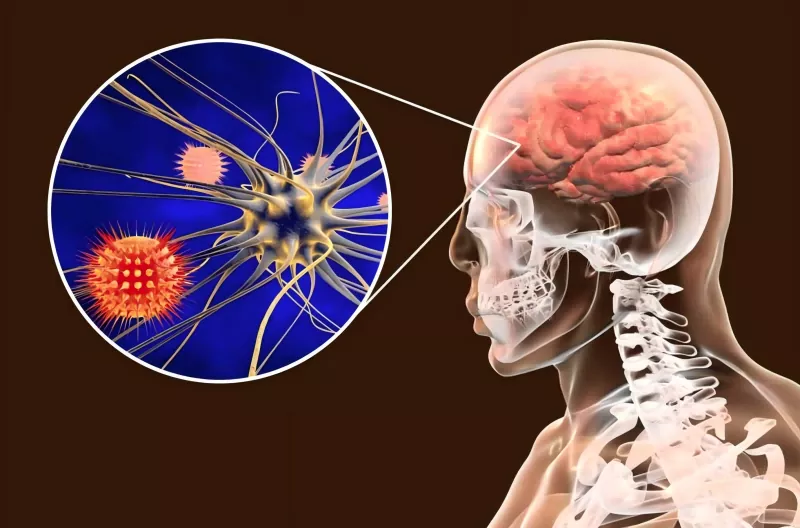
Meningococcal disease remains one of the most serious bacterial infections worldwide due to its rapid progression and potentially life-threatening complications. Among the major disease-causing serogroups, serogroup Y has become increasingly important in several regions, contributing to cases of meningitis and bloodstream infections.
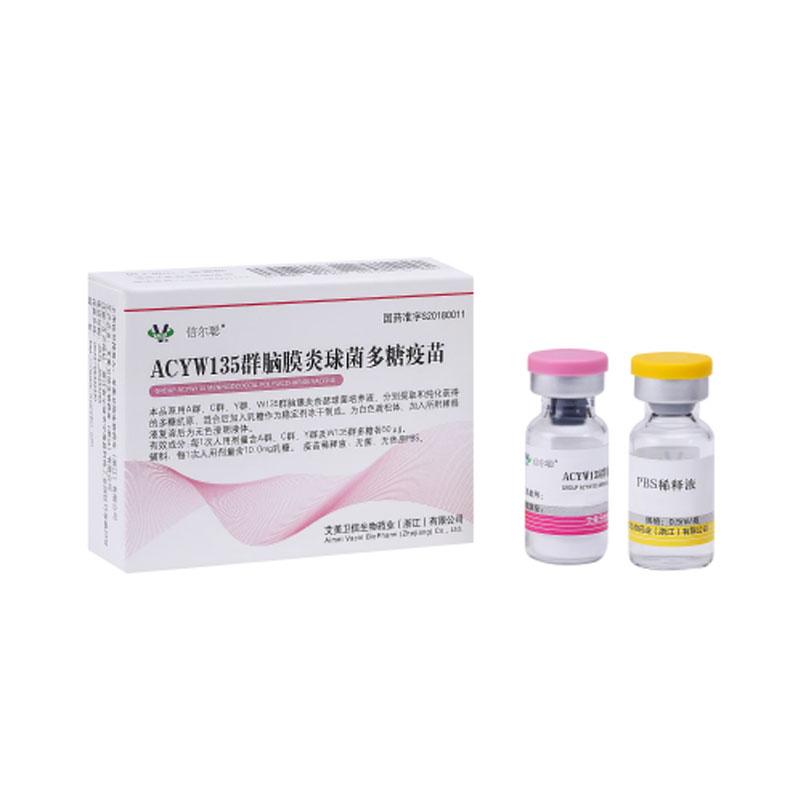
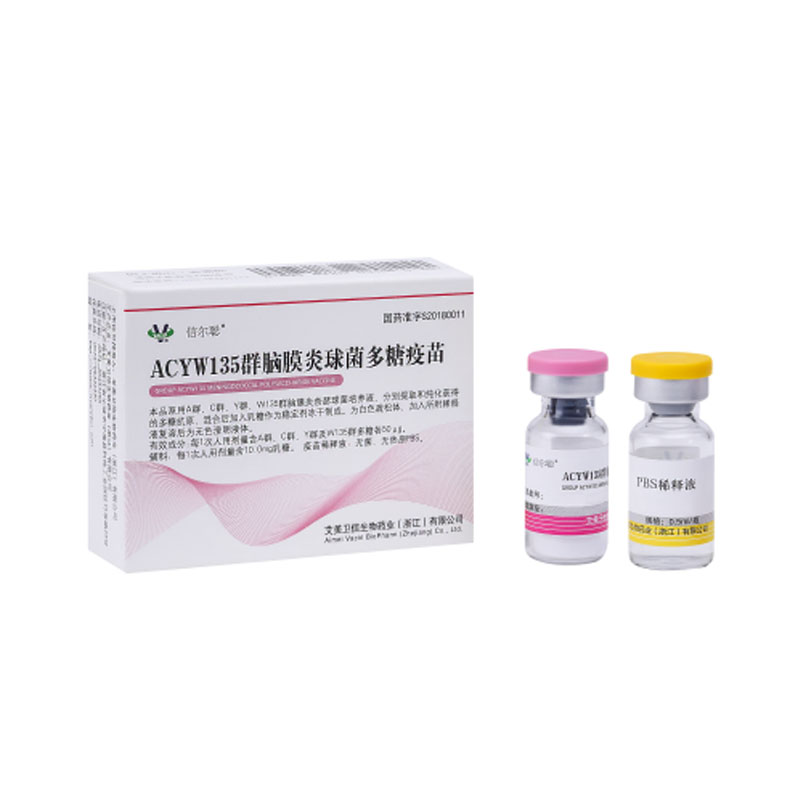
The Y-Type Meningitis Vaccine is designed to help individuals develop immunity against meningococcal serogroup Y and is often included in quadrivalent meningococcal vaccines that target multiple serogroups. This article explores how the vaccine works, who should receive it, its effectiveness, safety profile, immunization schedules, and its role in global disease prevention efforts.

Table of Contents
- 1. What Is a Y-Type Meningitis Vaccine?
- 2. Understanding Meningococcal Disease and Serogroup Y
- 3. Why Is Protection Against Serogroup Y Important?
- 4. How Does the Vaccine Work?
- 5. Who Should Receive the Vaccine?
- 6. Recommended Vaccination Schedules
- 7. Benefits of Y-Type Meningitis Vaccination
- 8. Safety and Side Effects
- 9. Vaccine Effectiveness and Clinical Evidence
- 10. Comparing Vaccination and Natural Infection
- 11. Travel, Education, and Occupational Requirements
- 12. Challenges in Meningococcal Disease Prevention
- 13. Future Developments in Meningococcal Vaccines
- 14. Frequently Asked Questions
- 15. Conclusion
1. What Is a Y-Type Meningitis Vaccine?
A Y-Type Meningitis Vaccine is a vaccine developed to protect against infections caused by Neisseria meningitidis serogroup Y. This bacterium can cause severe illnesses including bacterial meningitis and septicemia, both of which may progress rapidly and require immediate medical attention.
In many countries, protection against serogroup Y is included within quadrivalent meningococcal vaccines covering serogroups A, C, W, and Y. These vaccines help stimulate the immune system to recognize and fight the bacteria before infection occurs.
| Feature | Description |
|---|---|
| Target Pathogen | Neisseria meningitidis Serogroup Y |
| Disease Prevention | Meningitis and bloodstream infections |
| Protection Type | Active immunization |
| Administration | Injection |
2. Understanding Meningococcal Disease and Serogroup Y
Meningococcal disease is an acute bacterial infection that affects the membranes surrounding the brain and spinal cord or enters the bloodstream. While several serogroups exist, serogroup Y has emerged as a significant cause of invasive meningococcal disease in multiple regions.
Symptoms may appear suddenly and include:
- High fever
- Severe headache
- Neck stiffness
- Nausea and vomiting
- Sensitivity to light
- Confusion
- Skin rash
Without prompt treatment, the disease can lead to permanent disability or death.
3. Why Is Protection Against Serogroup Y Important?
Serogroup Y infections have demonstrated changing epidemiological patterns over time. In some regions, they account for a notable proportion of invasive meningococcal disease cases.
Vaccination offers several advantages:
- Reduces disease incidence
- Prevents outbreaks
- Protects vulnerable populations
- Reduces healthcare burden
- Supports community immunity
Since meningococcal disease can develop rapidly, prevention through vaccination remains one of the most effective public health strategies.
4. How Does the Vaccine Work?
The Y-Type Meningitis Vaccine introduces specific bacterial components that cannot cause disease but can stimulate an immune response.
After vaccination:
- The immune system identifies bacterial antigens.
- Protective antibodies are produced.
- Immune memory develops.
- Future exposure triggers rapid protection.
This process significantly lowers the likelihood of developing invasive disease after exposure.
| Immune Response Stage | Outcome |
|---|---|
| Antigen Recognition | Immune activation begins |
| Antibody Production | Bacterial targeting improves |
| Memory Formation | Long-term protection develops |
| Future Exposure | Rapid immune defense occurs |
5. Who Should Receive the Vaccine?
Vaccination recommendations may vary by country, age group, and risk factors. However, common target populations include:
- Infants and children in certain immunization programs
- Adolescents and teenagers
- College students living in dormitories
- Military recruits
- Healthcare workers with exposure risks
- International travelers
- Individuals with weakened immune systems
Healthcare professionals should always be consulted for personalized vaccination guidance.
6. Recommended Vaccination Schedules
Schedules depend on age, health status, and local public health recommendations.
| Population Group | Typical Vaccination Approach |
|---|---|
| Adolescents | Primary vaccination plus booster when recommended |
| High-Risk Adults | Vaccination and periodic boosters |
| Travelers | Vaccination before travel |
| Immune-Compromised Individuals | Enhanced schedule as advised |
Booster doses may be recommended when long-term protection is required.
7. Benefits of Y-Type Meningitis Vaccination
Vaccination provides benefits at both individual and community levels.
For Individuals:
- Reduced risk of meningococcal disease
- Lower risk of hospitalization
- Protection during travel
- Peace of mind for families
For Communities:
- Reduced transmission
- Improved outbreak control
- Lower healthcare costs
- Enhanced public health resilience
8. Safety and Side Effects
Meningococcal vaccines have undergone extensive evaluation before approval and continued monitoring after introduction.
Common side effects are usually mild and temporary:
- Pain at injection site
- Redness or swelling
- Fatigue
- Mild fever
- Headache
Serious adverse reactions are rare. Individuals with concerns should discuss risks and benefits with healthcare providers.
| Side Effect Category | Frequency |
|---|---|
| Injection Site Pain | Common |
| Mild Fever | Occasional |
| Fatigue | Occasional |
| Serious Reactions | Rare |
9. Vaccine Effectiveness and Clinical Evidence
Clinical studies have consistently demonstrated strong immune responses against serogroup Y following vaccination. Protection rates are generally high, especially when vaccination schedules are completed according to recommendations.
Research highlights several outcomes:
- Robust antibody production
- Reduced disease incidence
- Lower outbreak risk
- Sustained immune memory
Ongoing surveillance continues to monitor vaccine performance in real-world populations.
10. Comparing Vaccination and Natural Infection
| Factor | Vaccination | Natural Infection |
|---|---|---|
| Protection Development | Controlled and preventive | Occurs after illness |
| Disease Risk | Minimal | Potentially severe |
| Hospitalization Risk | Low | High |
| Complications | Rare | Possible long-term effects |
Vaccination provides immunity without exposing individuals to the serious dangers associated with invasive meningococcal disease.
11. Travel, Education, and Occupational Requirements
Certain institutions and destinations may require proof of meningococcal vaccination.
Examples include:
- Universities and colleges
- Military training programs
- International travel destinations
- Healthcare settings
- Laboratory environments
Receiving the vaccine before exposure opportunities can help ensure compliance and protection.
12. Challenges in Meningococcal Disease Prevention
Despite advances in vaccine technology, challenges remain:
- Public awareness gaps
- Unequal vaccine access
- Changing disease epidemiology
- Travel-related transmission
- Incomplete vaccination coverage
Addressing these challenges requires collaboration among healthcare providers, vaccine manufacturers, governments, and communities.
13. Future Developments in Meningococcal Vaccines
Future innovations may focus on:
- Broader serogroup coverage
- Longer-lasting immunity
- Improved manufacturing technologies
- Enhanced global accessibility
- Combination vaccine platforms
Advancements in immunology and biotechnology continue to support the development of next-generation meningococcal vaccines.
14. Frequently Asked Questions
Q1: What diseases can a Y-Type Meningitis Vaccine help prevent?
It helps protect against meningococcal disease caused by serogroup Y, including meningitis and bloodstream infections.
Q2: Is the vaccine suitable for adolescents?
Yes. Adolescents are among the primary groups commonly recommended for meningococcal vaccination.
Q3: How long does protection last?
Protection duration varies, and booster doses may be recommended depending on age and risk factors.
Q4: Can adults receive the vaccine?
Yes. Adults at increased risk, travelers, healthcare workers, and certain occupational groups may benefit from vaccination.
Q5: Are side effects common?
Mild reactions such as soreness or fatigue are relatively common, while serious reactions are uncommon.
Q6: Why is serogroup Y important?
Serogroup Y contributes to invasive meningococcal disease cases in many regions and can cause severe illness if not prevented.
Q7: Can vaccination help prevent outbreaks?
Yes. Broad vaccination coverage can significantly reduce disease transmission and outbreak potential.
Q8: Should travelers consider vaccination?
Travelers visiting areas with elevated meningococcal disease risk may benefit from vaccination based on medical recommendations.
15. Conclusion
The Y-Type Meningitis Vaccine plays a crucial role in preventing potentially life-threatening meningococcal disease caused by serogroup Y. Through strong immune protection, reduced disease transmission, and support for public health initiatives, vaccination remains one of the most effective tools available for safeguarding individuals and communities.
As awareness grows and vaccine technologies continue to evolve, broader protection against meningococcal disease becomes increasingly achievable. Individuals, families, healthcare professionals, and policymakers all share a role in promoting immunization and reducing the burden of invasive bacterial infections worldwide.
About AIM VACCINE CO., LTD.
AIM VACCINE CO., LTD. is committed to advancing vaccine innovation and supporting global public health through the development and supply of high-quality immunization solutions. With a strong focus on scientific research, manufacturing excellence, and disease prevention, the company continues to contribute to protecting populations against infectious diseases.
Contact Us Today
Looking for reliable vaccine solutions, partnership opportunities, or additional information about meningococcal vaccination products? Contact AIM VACCINE CO., LTD. to learn how our expertise and innovative vaccine portfolio can support your healthcare objectives and public health initiatives.
Related News
- What Is a Bacterial Meningitis Vaccine and How Does It Help Protect Against Severe Infection?
- Is the Freeze‑Dried Rabies Vaccine for Human Use Safe and Effective After a Dog Bite?
- Why Is ACYW135 Meningococcal Polysaccharide Vaccine Essential For Global Meningitis Prevention Campaigns?
- What Makes A-Type Meningitis Vaccine Essential for Global Health Protection?
- What Makes ACYW135 Meningococcal Polysaccharide Vaccine Effective Against Multiple Serogroups?
- How Does Anti-Hepatitis A Virus Vaccine Support Effective Protection Against Hepatitis A Infection?
Leave me a message