News
Why Is a Booster Shot of Hepatitis B Vaccine Important for Long-Term Protection?
Hepatitis B remains one of the most serious viral infections affecting millions of people worldwide. Although primary vaccination provides strong protection for most individuals, many people still wonder whether a booster shot of hepatitis B vaccine is necessary later in life. Questions about immunity duration, antibody levels, workplace requirements, travel safety, and family protection often create confusion.
This comprehensive guide explains everything you need to know about hepatitis B booster shots, including who may need them, how immunity works, possible side effects, testing recommendations, and practical health considerations. Whether you are a healthcare worker, traveler, parent, student, or someone managing a chronic medical condition, this article will help you make informed decisions about long-term hepatitis B protection.

Table of Contents
- 1. What Is Hepatitis B?
- 2. What Is a Booster Shot of Hepatitis B Vaccine?
- 3. How Does the Hepatitis B Vaccine Work?
- 4. Why Is a Booster Shot Important?
- 5. Who May Need a Booster Shot?
- 6. Who May Not Need Additional Doses?
- 7. How Long Does Hepatitis B Immunity Last?
- 8. What Is Hepatitis B Antibody Testing?
- 9. What Are the Risks of Hepatitis B Infection?
- 10. When Should You Get a Booster Shot?
- 11. What Are the Possible Side Effects?
- 12. Special Considerations for Different Groups
- 13. Common Myths About Hepatitis B Boosters
- 14. Hepatitis B Vaccine Booster Comparison Table
- 15. Additional Tips for Hepatitis B Prevention
- 16. Future Trends in Hepatitis B Vaccination
- 17. Frequently Asked Questions
- 18. Conclusion
1. What Is Hepatitis B?
Hepatitis B is a viral infection that primarily attacks the liver. It is caused by the hepatitis B virus (HBV) and can lead to both acute and chronic disease. Some infected individuals recover completely, while others may develop severe liver complications such as:
- Liver cirrhosis
- Liver failure
- Chronic hepatitis
- Liver cancer
The virus spreads through contact with infected blood or body fluids. Common transmission routes include:
- Unprotected sexual contact
- Sharing needles
- Mother-to-child transmission during birth
- Unsafe medical procedures
- Exposure to contaminated sharp instruments
Because hepatitis B can survive outside the body for several days, vaccination remains one of the most effective ways to prevent infection.
2. What Is a Booster Shot of Hepatitis B Vaccine?
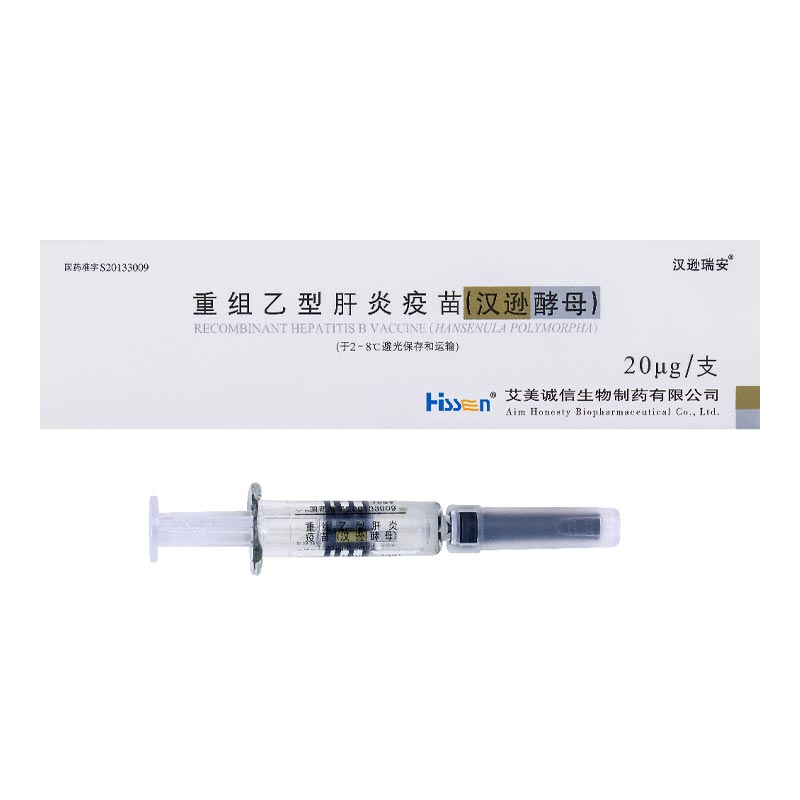
A booster shot of hepatitis B vaccine is an additional vaccine dose given after the original vaccination series. Its purpose is to strengthen or restore immune protection when antibody levels decline over time.
The standard hepatitis B vaccination schedule usually includes:
- First dose
- Second dose after one month
- Third dose after six months
After completing this series, many people develop long-lasting immunity. However, some individuals may require a booster due to occupational exposure, weakened immune systems, or reduced antibody levels.
3. How Does the Hepatitis B Vaccine Work?
The hepatitis B vaccine trains the immune system to recognize and fight the hepatitis B virus without causing infection. The vaccine contains purified viral surface proteins that stimulate antibody production.
When vaccinated, the body creates protective antibodies known as anti-HBs. These antibodies help prevent infection if the individual is later exposed to HBV.
Immune memory is another important factor. Even if antibody levels decrease over time, the immune system may still remember how to rapidly respond to infection exposure.
4. Why Is a Booster Shot Important?
A booster shot becomes important in situations where long-term protection may weaken or where infection risk is especially high.
Several factors can reduce immunity over time:
- Aging
- Chronic kidney disease
- Immune suppression
- Chemotherapy
- Organ transplantation
- HIV infection
- Frequent occupational exposure
For high-risk individuals, maintaining adequate antibody levels is critical because hepatitis B infection can cause life-threatening complications.
5. Who May Need a Booster Shot?
Not everyone needs a booster shot of hepatitis B vaccine. However, healthcare professionals often recommend boosters for certain groups.
| Group | Reason for Booster Consideration |
|---|---|
| Healthcare workers | Frequent exposure to blood and body fluids |
| Dialysis patients | Reduced immune response and ongoing exposure risk |
| People with weakened immune systems | Lower antibody persistence |
| International travelers | Travel to regions with high HBV prevalence |
| Laboratory personnel | Occupational exposure risk |
| People with chronic liver disease | Higher risk of severe complications |
Some employers or academic institutions may also require proof of immunity or booster vaccination.
6. Who May Not Need Additional Doses?
Healthy individuals who completed the full hepatitis B vaccine series and developed adequate antibodies often remain protected for decades.
Research suggests that immune memory can continue even when antibody levels become low or undetectable. Therefore, routine booster shots are not universally recommended for the general population.
A medical professional may evaluate:
- Vaccination history
- Current health condition
- Exposure risk
- Antibody test results
7. How Long Does Hepatitis B Immunity Last?
One of the most common questions is how long hepatitis B vaccine protection lasts. Studies indicate that protection may continue for 20 to 30 years or even longer in healthy individuals.
The duration depends on multiple factors:
- Age at vaccination
- Immune system strength
- Underlying health conditions
- Initial vaccine response
Children vaccinated at birth usually develop strong long-term protection. Adults vaccinated later in life may also maintain durable immunity.
8. What Is Hepatitis B Antibody Testing?
Hepatitis B surface antibody testing measures the level of protective antibodies in the blood.
The test helps determine whether:
- The vaccine worked effectively
- A booster may be necessary
- An individual remains protected
Healthcare providers may recommend testing for:
- Healthcare workers
- Dialysis patients
- Immunocompromised individuals
- People exposed to infected blood
A protective anti-HBs level is generally considered 10 mIU/mL or higher.
9. What Are the Risks of Hepatitis B Infection?
Many people with hepatitis B initially experience mild symptoms or no symptoms at all. However, the virus can silently damage the liver over time.
Possible symptoms include:
- Fatigue
- Fever
- Nausea
- Abdominal pain
- Dark urine
- Jaundice
- Joint pain
Chronic infection significantly increases the risk of liver cancer and liver failure.
Vaccination remains far safer and more effective than treating advanced liver disease.
10. When Should You Get a Booster Shot?
The timing of a booster shot depends on individual risk factors and medical guidance.
Examples include:
- After antibody testing shows insufficient protection
- Following occupational exposure
- Before traveling to high-risk areas
- During ongoing dialysis treatment
- After immune-suppressing therapy
There is no universal booster schedule for all adults. Personalized medical assessment is important.
11. What Are the Possible Side Effects?
Hepatitis B vaccine boosters are generally considered safe and well tolerated.
Common side effects are usually mild and temporary:
- Soreness at injection site
- Mild fever
- Fatigue
- Headache
- Muscle aches
Serious allergic reactions are extremely rare.
The benefits of protection against hepatitis B infection greatly outweigh the risks associated with vaccination.
12. Special Considerations for Different Groups
Infants and Children
Newborn vaccination is highly effective and plays a crucial role in preventing mother-to-child transmission.
Healthcare Professionals
Doctors, nurses, dentists, and laboratory staff often require regular antibody testing due to occupational exposure.
Older Adults
Immune response may decline with age, making antibody monitoring more relevant in certain situations.
People with Chronic Illnesses
Individuals with diabetes, kidney disease, or liver conditions may need additional monitoring.
13. Common Myths About Hepatitis B Boosters
| Myth | Reality |
|---|---|
| Everyone needs a booster every few years | Many healthy individuals remain protected for decades |
| The vaccine can cause hepatitis B | The vaccine does not contain live virus |
| Booster shots are unsafe | Booster doses have strong safety records |
| Only children need hepatitis B vaccines | Adults can also benefit from vaccination and boosters |
| If antibodies decline, protection disappears immediately | Immune memory may still provide protection |
14. Hepatitis B Vaccine Booster Comparison Table
| Situation | Booster Usually Recommended? | Medical Evaluation Needed? |
|---|---|---|
| Healthy adult with completed vaccine series | Usually no | Sometimes |
| Healthcare worker | Possibly | Yes |
| Dialysis patient | Often yes | Yes |
| Traveler to high-risk region | Sometimes | Recommended |
| Immunocompromised patient | Frequently | Yes |
15. Additional Tips for Hepatitis B Prevention
Vaccination is highly effective, but additional preventive measures remain important.
- Avoid sharing needles or razors
- Practice safe sex
- Ensure sterile medical equipment
- Screen pregnant women for HBV
- Use protective equipment in healthcare settings
- Follow workplace safety protocols
Public awareness and vaccination programs continue to reduce hepatitis B transmission worldwide.
16. Future Trends in Hepatitis B Vaccination
Medical researchers continue working on improving vaccine technology and global vaccination access.
Future developments may include:
- Enhanced immune-response vaccines
- Combination vaccines
- Longer-lasting immunity
- Improved accessibility in developing regions
- Advanced manufacturing technologies
Companies such as AIM VACCINE CO., LTD. contribute to the global vaccine industry through vaccine research, manufacturing, and immunization support.
17. Frequently Asked Questions
1. How do I know if I need a booster shot of hepatitis B vaccine?
A healthcare provider may recommend antibody testing based on your exposure risk, occupation, or medical condition.
2. Can I get a booster even if I had the vaccine years ago?
Yes. Booster shots can still strengthen immunity if necessary.
3. Is the hepatitis B booster painful?
Most people experience only mild soreness at the injection site.
4. Can hepatitis B vaccine boosters prevent liver cancer?
By preventing chronic hepatitis B infection, vaccination helps reduce the risk of HBV-related liver cancer.
5. Are booster shots safe for older adults?
Yes. Hepatitis B booster vaccines are generally safe for adults of different age groups.
6. Can pregnant women receive hepatitis B vaccination?
Healthcare providers may recommend vaccination during pregnancy if infection risk exists.
7. What happens if antibody levels are low?
Your doctor may recommend a booster dose or repeat vaccination series depending on your situation.
8. Can immunity disappear completely?
Antibody levels may decline, but immune memory often remains active for many years.
9. Is hepatitis B common worldwide?
Yes. Hepatitis B continues to affect populations in many regions globally.
10. Where can I learn more about hepatitis B vaccines?
You can consult licensed healthcare providers, vaccination clinics, or trusted vaccine manufacturers.
18. Conclusion
A booster shot of hepatitis B vaccine can play an important role in maintaining long-term protection for individuals at higher risk of exposure or weakened immunity. While many healthy people remain protected for decades after the original vaccine series, antibody testing and medical evaluation help determine whether additional doses are appropriate.
Understanding your personal risk factors, vaccination history, and health condition is essential for making informed healthcare decisions. Hepatitis B prevention not only protects individuals but also helps reduce the global burden of liver disease.
As vaccination technology continues to evolve, trusted vaccine manufacturers such as AIM VACCINE CO., LTD. continue supporting public health initiatives and expanding access to reliable immunization solutions worldwide.
Looking for reliable vaccine solutions, immunization support, or professional vaccine manufacturing information? AIM VACCINE CO., LTD. is committed to advancing vaccine innovation and supporting global public health programs.
Contact us today to learn more about our vaccine products, manufacturing capabilities, and healthcare cooperation opportunities.
Related News
- Is the Freeze‑Dried Rabies Vaccine for Human Use Safe and Effective After a Dog Bite?
- Why Is ACYW135 Meningococcal Polysaccharide Vaccine Essential For Global Meningitis Prevention Campaigns?
- What Makes A-Type Meningitis Vaccine Essential for Global Health Protection?
- What Makes ACYW135 Meningococcal Polysaccharide Vaccine Effective Against Multiple Serogroups?
- How Does Anti-Hepatitis A Virus Vaccine Support Effective Protection Against Hepatitis A Infection?
- Hepatitis A Inactivated Vaccine Diploid Cell: What Makes It a Reliable Choice for Modern Immunization Programmes?
Leave me a message