News
How to Choose Between Live Attenuated and Inactivated Hepatitis A Vaccines?
When vaccinating children against hepatitis A, parents often face a choice: should they use the live attenuated hepatitis A vaccine or the inactivated hepatitis A vaccine?
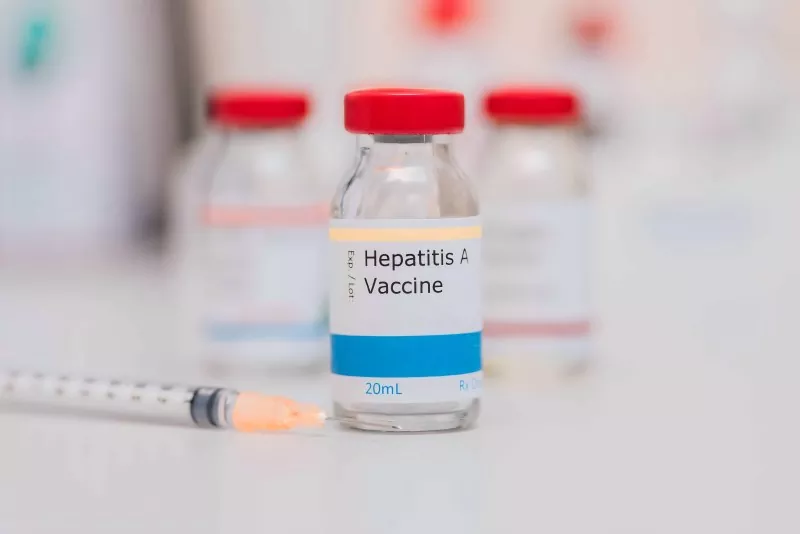
In other words, what are the differences between the live attenuated and inactivated hepatitis A vaccines?
A comparison is made mainly from 5 aspects:
1. Vaccine Safety
Theoretically, live attenuated hepatitis A vaccines contain attenuated live virus particles, carrying risks such as virulence reversion. Inactivated vaccines, commonly known as "dead vaccines", contain no live virus particles, do not replicate in cells, and have a lower incidence of adverse reactions.
In practice, studies show that the incidence of adverse reactions to inactivated hepatitis A vaccines is indeed lower than that of live attenuated hepatitis A vaccines. Data from China’s National Adverse Events Following Immunization (AEFI) Surveillance from 2016 to 2018 indicate that the incidence of adverse reactions per 100,000 doses of inactivated hepatitis A vaccine was 1.6, 1.4, and 1.39 respectively, while that of live attenuated hepatitis A vaccine was 1.87, 1.73, and 2.6 respectively.
2. Contraindications and Precautions
Reviewing product instructions reveals that live attenuated hepatitis A vaccines have more contraindications. For example, the instruction of one manufacturer’s live attenuated hepatitis A vaccine clearly states that it is contraindicated for people with immunodeficiency or impaired immune function, whereas inactivated hepatitis A vaccines have no such contraindication.
In addition, an interval of at least 3 months is required between administration of human immunoglobulin and live attenuated hepatitis A vaccine, while only 1 month is needed for inactivated hepatitis A vaccine. Furthermore, live attenuated vaccines are not recommended during hepatitis A outbreaks, whereas inactivated hepatitis A vaccines have no such restriction.
It is self-evident that inactivated hepatitis A vaccines have significantly fewer contraindications and precautions.
3. Efficacy and Duration of Protection
Both live attenuated and inactivated hepatitis A vaccines have been used in China for more than 20 years, and their efficacy has been fully verified. Both induce high levels of protective antibodies.
Data show that since China included hepatitis A vaccine in the Expanded Program on Immunization in 2008, the incidence of hepatitis A in China has dropped from 52.6 per 100,000 in 1990 to 1.74 per 100,000 in 2015.
In terms of duration:
- Antibodies induced by live attenuated hepatitis A vaccine generally last 10–15 years.
- Protection from inactivated hepatitis A vaccine lasts more than 25 years, and some studies infer up to 40+ years.
Some data also show that one dose of inactivated hepatitis A vaccine in adults provides protection for 11 years, making it a sensible choice for travelers in need of immediate immune protection.
4. Global Usage Experience
Globally, live attenuated hepatitis A vaccines are mainly used in countries such as China and India. Inactivated hepatitis A vaccines are widely used worldwide and are the most commonly used hepatitis A vaccines globally.
In China, live attenuated hepatitis A vaccine is a free national immunization vaccine, while inactivated hepatitis A vaccine is mostly self-funded in most regions.
5. Immunization Schedule
Domestically:
- Live attenuated hepatitis A vaccine can be given as early as 18 months of age, with 1 dose.
- Inactivated hepatitis A vaccine can be given as early as 12 months of age, requiring 2 doses with an interval of at least 6 months between doses.
Data show that maternal antibodies to hepatitis A in infants decrease significantly by 12 months of age, and the reported incidence and number of cases of hepatitis A in 1-year-old children are higher than those in 2-year-old children. Early vaccination provides earlier protection.
Conclusion
There is little difference in efficacy between live attenuated and inactivated hepatitis A vaccines; both provide adequate protection.
However, inactivated hepatitis A vaccines show clear advantages in safety, duration of protection, earliest vaccination age, global application experience, and fewer contraindications/precautions.
Parents may choose the appropriate hepatitis A vaccine for their children based on their own conditions.
Postscript
Hepatitis A is an acute intestinal infectious disease that mainly causes liver damage. It is a legally reported Class B infectious disease in China, with widespread prevalence and a key target for acute infectious disease prevention and control.
Hepatitis A has the characteristic of virus shedding before onset; patients can transmit the virus before symptoms appear, making outbreaks likely. In 1988, more than 300,000 people in Shanghai developed symptomatic hepatitis A infection within just 3 months—the largest hepatitis A outbreak globally to date—with over 8,000 hospitalized patients, imposing a heavy disease burden.
According to 2023 national biological product batch release data from the National Institutes for Food and Drug Control, 5 domestic enterprises have hepatitis A vaccine batch release records: Aim Vaccine, Sinovac Beijing, Changchun Institute of Biological Products, Zhejiang Pukang, and Institute of Medical Biology.
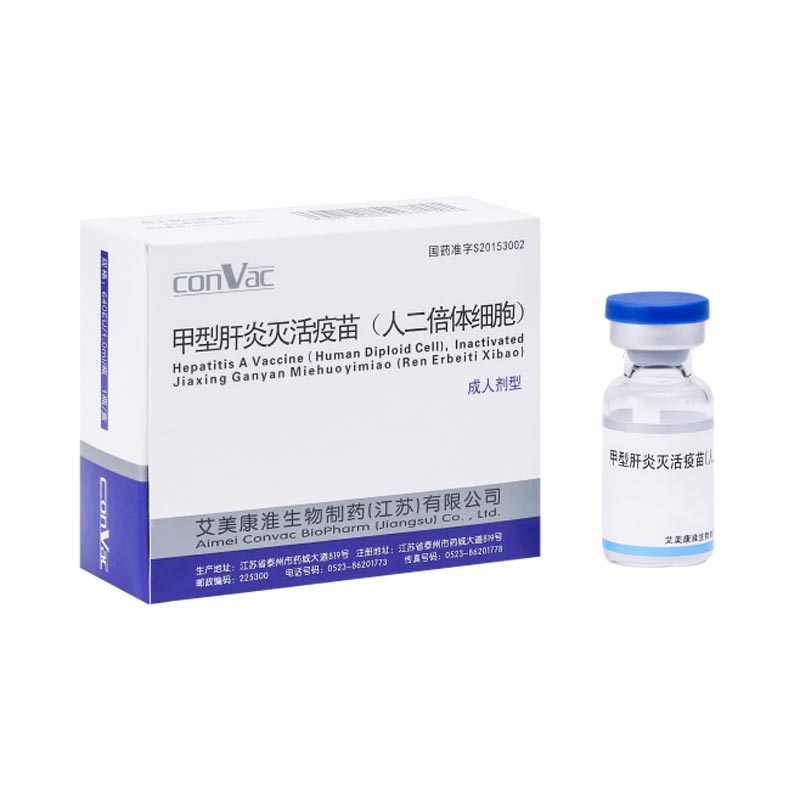
Aim Vaccine and Sinovac Beijing produce inactivated hepatitis A vaccines; the others produce live attenuated vaccines.
Notably, the inactivated hepatitis A vaccine produced by Aim Vaccine is the only one in China using the Lv-8 strain isolated during the 1988 Shanghai hepatitis A pandemic, offering better targeted protection and stronger immunogenicity. The Lv-8 strain has stable passage, good genetic stability compared with other strains, and no immune escape.
Related News
- Is the Freeze‑Dried Rabies Vaccine for Human Use Safe and Effective After a Dog Bite?
- Why Is ACYW135 Meningococcal Polysaccharide Vaccine Essential For Global Meningitis Prevention Campaigns?
- What Makes A-Type Meningitis Vaccine Essential for Global Health Protection?
- What Makes ACYW135 Meningococcal Polysaccharide Vaccine Effective Against Multiple Serogroups?
- How Does Anti-Hepatitis A Virus Vaccine Support Effective Protection Against Hepatitis A Infection?
- Hepatitis A Inactivated Vaccine Diploid Cell: What Makes It a Reliable Choice for Modern Immunization Programmes?
Leave me a message