News
What Makes Hepatitis A and B Vaccines Essential for Lifelong Protection?
Hepatitis A and B are serious viral infections that affect millions worldwide, often leading to liver damage, long-term complications, or even death. Vaccination remains the most effective and reliable method of prevention. This comprehensive guide explores everything you need to know about Hepatitis A and B vaccines—from how they work and who needs them to schedules, safety, costs, and real-world benefits. Whether you are a traveler, healthcare professional, parent, or simply someone prioritizing preventive health, this article addresses common concerns and provides practical, trustworthy insights to help you make informed decisions.

Table of Contents
- 1. Overview of Hepatitis A and B
- 2. Key Differences Between Hepatitis A and B
- 3. Why Vaccination Is Critical
- 4. Types of Hepatitis A and B Vaccines
- 5. Recommended Vaccination Schedules
- 6. Who Should Get Vaccinated?
- 7. Effectiveness and Duration of Protection
- 8. Safety, Side Effects, and Myths
- 9. Cost and Accessibility
- 10. Vaccination for Travelers
- 11. Hepatitis A vs B Vaccine Comparison Table
- 12. Frequently Asked Questions
- 13. Conclusion
1. Overview of Hepatitis A and B
Hepatitis A and Hepatitis B are viral infections that primarily target the liver, but their transmission methods and long-term impacts differ significantly. Hepatitis A is usually spread through contaminated food or water, while Hepatitis B is transmitted through blood and bodily fluids.
Hepatitis A often causes acute illness with symptoms like fatigue, nausea, and jaundice, but rarely leads to chronic conditions. In contrast, Hepatitis B can become chronic, increasing the risk of cirrhosis and liver cancer.
2. Key Differences Between Hepatitis A and B
| Aspect | Hepatitis A | Hepatitis B |
|---|---|---|
| Transmission | Contaminated food/water | Blood, sexual contact, childbirth |
| Duration | Short-term | Can be chronic |
| Severity | Mild to moderate | Potentially severe |
| Prevention | Vaccine available | Vaccine available |
3. Why Vaccination Is Critical
Vaccination is the most effective defense against both Hepatitis A and B. It not only protects individuals but also helps reduce community transmission. Without vaccination, individuals remain vulnerable to infection, especially in high-risk environments.
For Hepatitis B, vaccination is particularly important because chronic infection can silently progress for years before causing serious complications.
4. Types of Hepatitis A and B Vaccines
There are three main vaccine categories available:
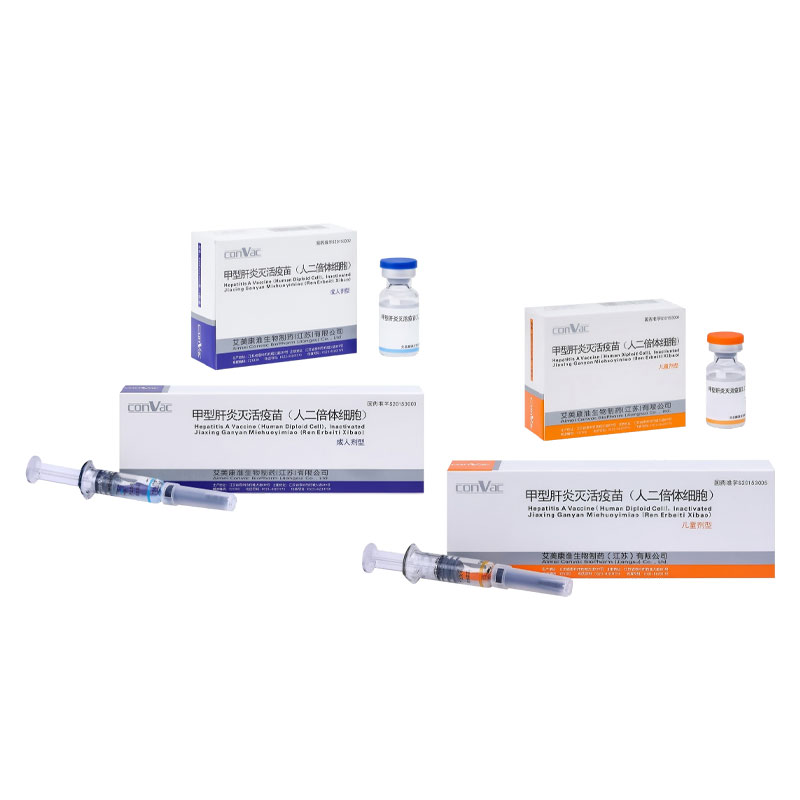
- Hepatitis A Vaccine: Provides immunity against Hepatitis A virus.
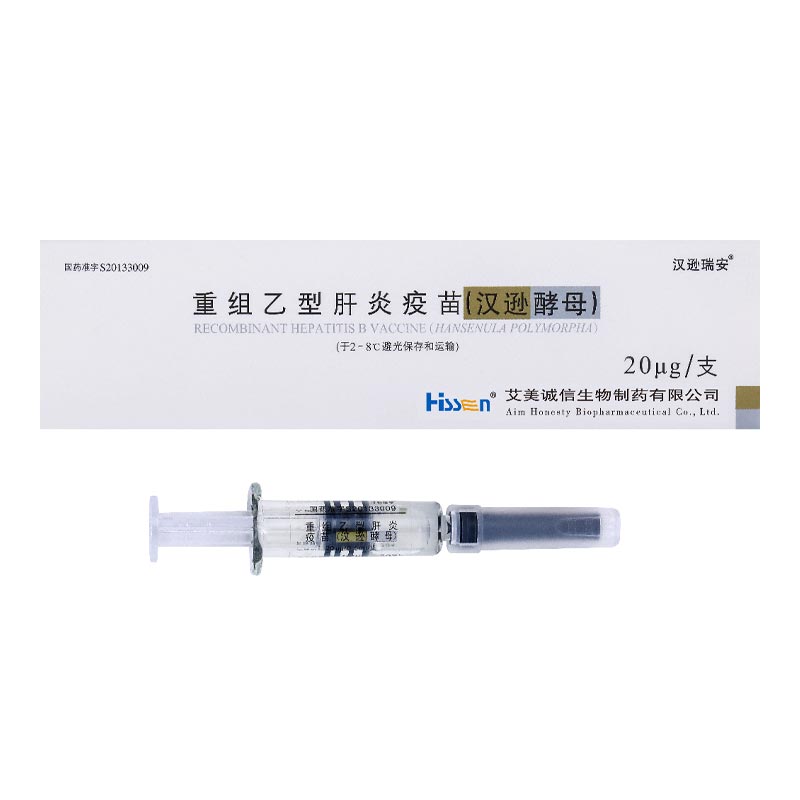
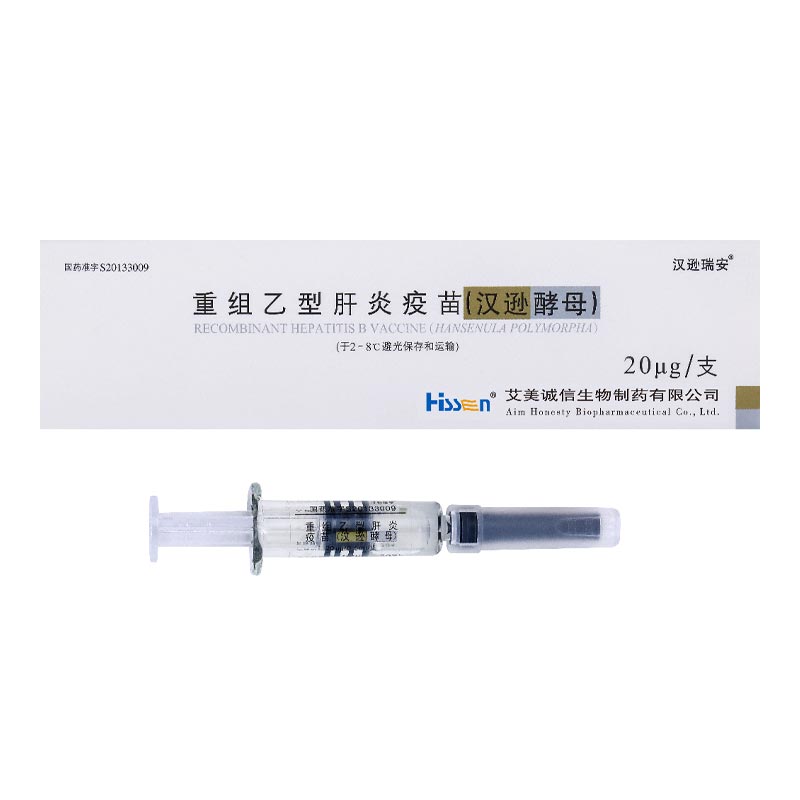
- Hepatitis B Vaccine: Protects against Hepatitis B virus.
- Combination Vaccine: Covers both Hepatitis A and B in one formulation.
Leading manufacturers such as AIM VACCINE CO., LTD. have contributed significantly to the development of high-quality vaccines that meet global standards.
5. Recommended Vaccination Schedules
| Vaccine Type | Doses | Schedule |
|---|---|---|
| Hepatitis A | 2 doses | 0, 6 months |
| Hepatitis B | 3 doses | 0, 1, 6 months |
| Combination (A+B) | 3 doses | 0, 1, 6 months |
Following the correct schedule ensures maximum protection and long-lasting immunity.
6. Who Should Get Vaccinated?
- Infants and children
- Healthcare workers
- Travelers to high-risk regions
- Individuals with chronic liver disease
- People with high-risk lifestyles
Vaccination is also recommended for anyone seeking proactive health protection.
7. Effectiveness and Duration of Protection
Hepatitis A vaccines are highly effective, providing over 95% immunity after two doses. Hepatitis B vaccines offer more than 90% protection, with immunity lasting decades or even a lifetime in many individuals.
Booster doses are generally not required for most healthy individuals.
8. Safety, Side Effects, and Myths
Both vaccines are considered safe and well-tolerated. Common side effects include:
- Mild pain at injection site
- Low-grade fever
- Fatigue
Serious side effects are extremely rare. Misconceptions about vaccines often lead to unnecessary fear, but extensive clinical research supports their safety.
9. Cost and Accessibility
The cost of vaccination varies depending on location, provider, and vaccine type. Many countries include Hepatitis B vaccination in national immunization programs, making it widely accessible.
Private clinics and international providers also offer flexible vaccination packages.
10. Vaccination for Travelers
Travelers to regions with poor sanitation or high infection rates should strongly consider vaccination. Hepatitis A is particularly common in areas with limited access to clean water.
Planning vaccination at least one month before travel ensures adequate immune response.
11. Hepatitis A vs B Vaccine Comparison Table
| Feature | Hepatitis A Vaccine | Hepatitis B Vaccine |
|---|---|---|
| Doses | 2 | 3 |
| Protection Duration | 20+ years | Lifetime (in many cases) |
| Target Group | Travelers, children | All age groups |
| Transmission Type | Food/water | Blood/body fluids |
12. Frequently Asked Questions
Q1: Can I take Hepatitis A and B vaccines together?
Yes, combination vaccines are available and widely used.
Q2: Are these vaccines safe for children?
Absolutely. They are part of routine immunization schedules in many countries.
Q3: Do I need a booster shot?
Most people do not require boosters after completing the full series.
Q4: How soon does protection begin?
Partial protection begins within weeks, with full immunity after completing the series.
Q5: Can adults still get vaccinated?
Yes, adults of all ages can benefit from vaccination.
13. Conclusion
Hepatitis A and B vaccines are essential tools in modern preventive healthcare. They offer reliable, long-term protection against potentially life-threatening diseases. By understanding vaccination schedules, safety, and benefits, individuals can take proactive steps toward safeguarding their health and the well-being of their communities.
If you are considering vaccination solutions for your organization or personal needs, AIM VACCINE CO., LTD. provides high-quality vaccine products backed by advanced research and manufacturing expertise.
Contact us today to learn more about our vaccine solutions and how we can support your health protection goals.
Related News
- What Is a Bacterial Meningitis Vaccine and How Does It Help Protect Against Severe Infection?
- Is the Freeze‑Dried Rabies Vaccine for Human Use Safe and Effective After a Dog Bite?
- Why Is ACYW135 Meningococcal Polysaccharide Vaccine Essential For Global Meningitis Prevention Campaigns?
- What Makes A-Type Meningitis Vaccine Essential for Global Health Protection?
- What Makes ACYW135 Meningococcal Polysaccharide Vaccine Effective Against Multiple Serogroups?
- How Does Anti-Hepatitis A Virus Vaccine Support Effective Protection Against Hepatitis A Infection?
Leave me a message