News
Expert Consensus on Post-Exposure Prophylaxis of Rabies in Children (2025 Edition)
Children belong to the high-risk population for rabies exposure. Due to children's physiological and psychological characteristics as well as weak self-protection ability, they are prone to severe bites on the head, face, or multiple sites of the body, with higher risk of disease onset. Moreover, post-exposure prophylaxis (PEP) for rabies in children has its own characteristics in wound management, application of rabies vaccines, and passive immunizing agents. To address the current problems of inconsistent cognition and non-standardized management in the practice of PEP for rabies in children in China, the Rabies Prevention and Control Working Committee of Chinese Preventive Medicine Association, Animal Injury Treatment Branch of China Medical Rescue Association, and Animal Injury and Acute Infectious Disease Prevention and Treatment Branch of Beijing Integrative Medicine Association organized relevant domestic experts. Based on comprehensive retrieval and evaluation of the latest research evidence at home and abroad, and with reference to relevant norms and guidelines, combined with clinical experience of PEP for rabies in children in China, this consensus was formulated to comprehensively improve the management level of PEP for rabies in children in China.
Preface
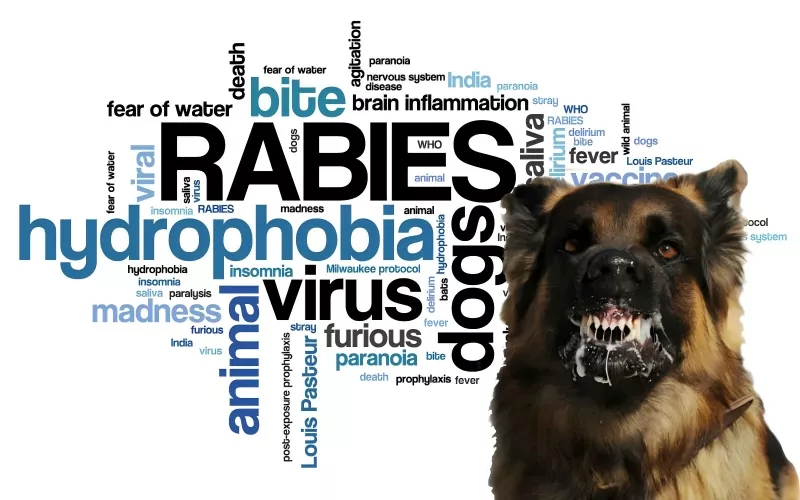
Rabies is a zoonotic infectious disease caused by infection with viruses of the genus Lyssavirus in the family Rhabdoviridae, usually caused by rabies virus infection [1]. Rabies is mostly characterized by specific clinical manifestations such as hydrophobia, aerophobia, pharyngeal muscle spasm, and progressive paralysis. Currently, there is no effective clinical treatment method. Once the disease develops, the case fatality rate is almost 100%, posing a serious threat to human life and health [2]. Rabies exposure refers to being bitten, scratched, or having mucous membranes or broken skin licked by a rabid animal, suspected rabid animal, or host animal whose health status cannot be determined, or having open wounds or mucous membranes directly contact saliva or tissue that may contain rabies virus [3]. Post-exposure prophylaxis (PEP) for rabies is the main prevention and control measure, including wound management, rabies vaccination, and use of rabies passive immunizing agents. Standardized PEP management can prevent disease onset [4].
Except for Antarctica, rabies is prevalent on all continents. WHO estimates that about 59,000 people die from rabies each year. Asia and Africa are highly endemic for rabies with the highest number of deaths. Asia has about 30,000 rabies deaths annually, with India having the heaviest disease burden, with about 20,000 deaths annually [2, 5]. Since 2007, rabies prevention and control work in China has achieved phased progress, with reported cases declining for 17 consecutive years nationwide. However, in 2024, a total of 167 cases were reported nationwide, an increase of 36.9% compared with 2023, indicating that transmission dynamics or prevention and control effectiveness may have changed [6].
In rabies-endemic areas, rabies exposure caused by dog bites mostly occurs in children [7-9]. At the same time, children are also a high-incidence population for rabies. According to statistics, about 40% of rabies cases occur in children under 15 years old in Asia and Africa [10]. According to a study on the demographic characteristics of rabies cases in China from 2005 to 2024, the 6-20 year age group accounted for 14.9%, ranking second [6]. Since there is currently no specialized and comprehensive guideline or norm specifically addressing PEP for children in China, the expert group of this consensus, based on existing evidence-based medical evidence at home and abroad combined with clinical practice, reached consensus on relevant content of PEP for rabies in children in China to provide scientific and standardized recommendations for clinical work.
I. Consensus Development Methods
The development team of this consensus consisted of 132 experts selected from relevant professional fields in China, including emergency surgery, infectious disease prevention and control, and animal injury diagnosis and treatment, who were willing to participate in consensus development. Team members included lead experts, writing experts, review experts, and working secretaries.
Under the guidance of lead experts, writing experts systematically searched literature related to PEP for rabies in children published at home and abroad, combined with clinical practice in China and interviews with medical practitioners, and finally established the clinical question system to be addressed by this consensus.
Writing experts conducted structured analysis of clinical questions based on the PICO principle (P: Population/Patient, I: Intervention, C: Control/Comparison, O: Outcome indicators), and comprehensively used free words and subject words for systematic literature retrieval. Literature databases searched: PubMed, Web of Science, Elsevier Science Direct, Springer, Cochrane Library, EMBASE, BMJ Best Practice, CNKI, VIP, and Wanfang Data Knowledge Service Platform. English search keywords: pediatric, children, rabies, post-exposure prophylaxis, PEP, animal bite, vaccine. Chinese search keywords: children, rabies, animal injury, exposure prevention, vaccine. Retrieval time: from database establishment to October 2025. Included literature types covered officially published relevant norms, guidelines, expert consensus, evidence summaries, systematic reviews, and original studies. After writing experts completed the evidence table organization, the GRADE (Grading of Recommendations, Assessment, Development and Evaluations) method was used for evidence grading and recommendation grading assessment (Table 1). On November 15, 2025, an offline expert discussion meeting was held in Wuhan. Considering factors such as patient preferences and values in China, pros and cons of interventions, medical accessibility, equity, and clinical applicability, 14 preliminary recommendations were formed. Working secretaries followed the modified Delphi principle to conduct questionnaire surveys with review experts, discussing and modifying each recommendation item by item. Each recommendation was established only if it received approval from ≥90% of review experts.
This consensus has been registered on the International Practice Guidelines Registration and Transparency Platform, with registration number PREPARE-2025CN1504.
II. Characteristics of Rabies Exposure in Children
In terms of behavioral cognition, children are naturally curious, active, and willing to contact various animals, but may not be able to correctly judge animal emotions (such as fear, warning, etc.), and inappropriately tease animals. Children have poor self-protection awareness, cannot timely identify dangerous situations, and do not have self-protection ability, making them more susceptible to animal attacks, and even experiencing severe injuries at multiple sites of the body [11-12]. After being attacked by animals, in addition to physical injuries, children may also bear tremendous psychological pressure. They may choose to hide the facts for fear of being scolded, not informing guardians about their injuries and delaying medical visits [13]. Young children have insufficient language expression ability and are often in a highly tense state after injury, unable to accurately describe the process, time, and animal situation of being injured by animals during medical visits, which brings certain challenges to physicians in judging exposure level, assessing risk, and deciding management plans. Moreover, young children have poor pain tolerance. Physical examination, wound management, vaccination, and application of passive immunizing agents are often accompanied by crying and low cooperation, which may lead to missed wounds, incomplete irrigation and debridement, and inability to locally use rabies passive immunizing agents, requiring special attention.
In terms of physiology and psychology, young children are generally short in stature, relatively close in height to large mammals. Once attacked, they are easily bitten or scratched on the head, face, neck, upper limbs, and other parts. Studies have shown that the head, face, and neck are the most common bite sites in children bitten by dogs [14-15]. The head, face, and neck have dense nerve distribution and short absolute distance to the central nervous system, with short rabies incubation period and high risk of disease onset [2]. Children's skin and mucous membranes are relatively delicate, more prone to damage, bleeding, and other relatively severe exposures. Animal injuries in children may cause psychological problems. Some children will develop fear of animals, anxiety, sleep disorders, etc., and severe cases may even develop post-traumatic stress disorder (PTSD) [16]. Once scars form on exposed parts such as the head and face of children, they may also affect mental health. Therefore, for children with rabies exposure, mental health needs to be focused on, and psychological intervention should be conducted when necessary [17].
III. Risk Classification and Assessment of Rabies Exposure in Children
Recommendation 1: For children with rabies exposure, comprehensive assessment should be conducted strictly according to national norms based on wound condition, injuring animal condition, and the child's own immune status to determine the rabies exposure level. (Evidence level: A, Recommendation strength: Strong recommendation)
Rabies exposure commonly occurs through scratches and bites from rabies host animals, broken skin or mucous membranes contacting saliva and secretions of host animals. In rare cases, organ transplantation and aerosol inhalation (such as operating materials containing high concentrations of rabies virus in laboratories or activities in caves with high density of rabies bats) can also serve as exposure pathways for rabies virus infection [18].
According to the provisions of the "Rabies Exposure Prevention and Disposal Work Specifications (2023 Edition)," rabies exposure is divided into three levels, with different management measures taken for different levels [3]:
Level I exposure: Contacting or feeding animals, or intact skin being licked. Those determined to have Level I exposure should clean the contact site without medical management.
Level II exposure: Bare skin being lightly bitten, or minor scratches/abrasions without obvious bleeding. Level II exposure requires wound management and rabies vaccination. For Level II exposure with severe immunodeficiency, or Level II exposure on the head and face when the health status of the injuring animal cannot be determined, management should follow Level III exposure protocols.
Level III exposure: Single or multiple penetrating skin bites or scratches, or broken skin being licked, or open wounds or mucous membranes contaminated by saliva or tissue, or direct contact with bats. Those determined to have Level III exposure should undergo wound management, injection of rabies passive immunizing agents, and rabies vaccination.
It should be particularly noted that "rabies exposure risk classification" is not equivalent to "wound classification." In addition to considering wound conditions, the characteristics of the injuring animal and the immune status of the exposed person also need to be considered [19].
In recent years, some scholars have proposed defining extremely severe exposure, such as severe bites on the head, face, and neck or multiple bites throughout the body that clinical physicians believe are highly likely to transmit rabies virus, as Level IV exposure. In addition to early rabies vaccination, more strict wound management should be performed, and full-dose human rabies immunoglobulin (HRIG) or anti-rabies virus monoclonal antibody (RmAb) calculated according to body weight should be used [20]. Based on the characteristics of rabies exposure in children, Level IV exposure classification has positive practical significance for severe rabies PEP that children are prone to.
Recommendation 2: For children with rabies exposure, when collecting medical history, in addition to asking the child, accompanying adults should also be asked. The child's body should be fully exposed for comprehensive and detailed physical examination to avoid missed wounds. (Evidence level: B, Recommendation strength: Strong recommendation)
The significant characteristics that distinguish rabies exposure in children from adults should be noted when conducting rabies risk classification and assessment for children:
① When collecting medical history, in addition to asking the child, physicians should also inquire in detail with accompanying adults about the injury process (such as the trigger for animal attack, whether it was an active attack, whether multiple people were injured, etc.) and the injuring animal situation (such as animal species, whether it was supervised, whether it was vaccinated with veterinary rabies vaccine, health status, etc.). At the same time, they should also ask accompanying adults in detail about the child's rabies vaccination history, tetanus vaccination history, and history of underlying diseases.
② To avoid missed wounds, it is recommended to fully expose the child's body for detailed physical examination. Key examination areas include hair-covered areas, behind the ears, between fingers and toes, perineal area, and other easily missed areas.
③ Due to children's lack of awareness of the danger of bats, they are more likely to contact bats than adults, and bat scratches and bites may be too small to detect [21-23]. Therefore, children with direct contact with bats should be highly vigilant. Even if no obvious skin or mucous membrane damage is seen at the contact site, WHO and the US CDC both recommend management according to Level III exposure [2, 24].
IV. Principles of Wound Management for Rabies Exposure in Children
Recommendation 3: For deep and large wounds from rabies exposure in children, it is recommended to use professional irrigation equipment for irrigation, and local anesthesia should be performed before irrigation. For deep and large wounds on the head and face or multiple wounds throughout the body, irrigation may be performed under general anesthesia in the operating room if conditions permit. (Evidence level: A, Recommendation strength: Strong recommendation)
Dog and cat bites are common types of animal injuries, with dog bites accounting for about 85%-90% and cat bites accounting for 5%-10%, also being the main cause of rabies exposure in children [25-26]. Severe dog bite wounds are usually complex, mostly showing composite injuries such as laceration, puncture, and crush. Some wounds appear intact on the surface, but underlying tissues may be devitalized due to tearing, crushing, or impaired blood supply [27]. Compared with general wounds, they have higher risks of infection, delayed healing, and pathological scar formation [28]. Cat bites are usually puncture wounds, more likely to cause deep infections such as abscesses, pyogenic arthritis, and osteomyelitis [29].
Wound management after rabies exposure mainly includes wound irrigation, disinfection, and surgical debridement, which is an important component of PEP. Standardized wound management can not only prevent rabies virus infection but is also an important cornerstone for preventing infection by other pathogens and promoting wound healing.
Wound irrigation is the primary step in wound management after rabies exposure. China's current rabies exposure prevention and disposal work specifications require thorough irrigation of all bite and scratch sites for about 15 minutes using soapy water (or other weak alkaline cleaners, professional irrigation solutions) alternately with running water under certain pressure, followed by washing the wound with physiological saline, and finally using sterile absorbent cotton to remove residual liquid to avoid residue of soapy water or cleaners [3, 30]. Professional irrigation equipment can maintain stable water flow pressure and temperature, change water flow direction, and facilitate irrigation of different parts, making it more suitable for irrigation of deep and large wounds from rabies exposure in children.
Minor wounds without obvious bleeding have low pain during irrigation, but deep and large severe wounds have intense pain during irrigation that children usually cannot tolerate. Routine local anesthesia is recommended to ensure wound irrigation effectiveness [3]. During local anesthesia, using a finer needle to puncture the skin and slowly injecting local anesthetic into the tissue can reduce pain. In addition, adding appropriate sodium bicarbonate to lidocaine to increase pH can also reduce pain [31]. For deep and large wounds on the head and face or multiple wounds throughout the body, children usually cannot cooperate. If conditions permit, wound irrigation may be performed under general anesthesia in the operating room [32]. General anesthesia for wound irrigation provides good conditions for physicians to carefully irrigate each wound to ensure irrigation effectiveness, and subsequent surgical debridement can be performed after irrigation, especially for wounds involving large areas of skin and soft tissue defects, or combined with important nerve and vessel injuries [33].
Recommendation 4: For wounds from rabies exposure in children, especially head and facial wounds, it is recommended to close wounds primarily as much as possible under the premise of evaluating indications and standardized wound management. If conditions permit, fine wound suturing may be performed. (Evidence level: A, Recommendation strength: General recommendation)
Wounds from rabies exposure usually have high infection risk. Infection risk should be comprehensively assessed from multiple dimensions including wound site, degree of contamination, time to medical visit, species of injuring animal, and child's overall condition. For wounds with low infection risk, primary wound closure should be performed as much as possible on the basis of standardized wound management [34-35]. Studies have shown that carefully selected mammalian bite wounds can undergo primary closure with an infection rate of about 6% [36].
Dog bite wounds have relatively low infection risk. Currently, multiple randomized controlled trials have shown that primary closure of dog bite wounds after wound management does not increase the risk of postoperative wound infection [37-39]. A 2014 meta-analysis on primary closure of dog bite wounds suggested that primary closure did not increase the risk of infection occurrence [40]. Cat bite wounds have much higher infection rates than dog bites, about 20%-80%, and occur earlier, as short as several hours after injury, so primary closure should be cautious for cat bite wounds [41].
From the perspective of injury site, children are more prone to head and facial exposure. Although head and facial exposure has high risk of rabies onset, due to abundant blood supply and strong anti-infection ability in the head and face, bacterial infection occurrence is low after injury, and primary closure should be performed as much as possible [40, 42].
Under normal circumstances, children's skin wounds heal faster, but children from age 2 to the end of puberty have higher risk of scar hyperplasia [43]. Poor wound healing or obvious scars can have certain impacts on children's mental health and social adaptability. Fine suturing should be performed as much as possible if conditions permit to avoid scar formation. Fine suturing is based on the basic concept of cosmetic suturing, with the core being layered wound suturing to ensure fine apposition of the dermis and epidermis, and epidermal apposition should achieve basically no tension [34]. Currently, there are also reports in China of satisfactory postoperative clinical effects and reduced infection rates for primary suture of dog bite wounds, successfully preventing facial deformity and severe scar formation in children [44-45].
Recommendation 5: For wounds from rabies exposure in children, it is recommended to select appropriate moist healing dressings or apply negative pressure wound therapy (NPWT) technology according to wound conditions after wound management to promote wound healing and reduce scar formation. (Evidence level: B, Recommendation strength: General recommendation)
Winter's [46] research results showed that wounds heal faster in a moist environment, thus pioneering the moist healing theory. The core of moist healing is using moist dressings to seal wounds, creating a warm, moist, and low-oxygen environment locally to promote wound healing and reduce scar formation, which has now become an internationally recognized standard wound treatment method. Moist dressings include hydrocolloid dressings, alginate dressings, foam dressings, etc. In clinical work, appropriate dressings should be selected according to the characteristics of different dressings and specific wound conditions [47-48]. Wounds from rabies exposure in children, as a special type of wound, are also suitable for moist dressings [49].
Negative pressure wound therapy (NPWT) technology has been proven to be an effective wound treatment method that can promote wound healing through multiple mechanisms [50]:
① Negative pressure actively approximates wound edges, significantly reducing the amount of tissue repair needed for healing.
② Tissue strain and tension generated by negative pressure can stimulate granulation tissue growth and promote capillary generation.
③ Negative pressure can quickly remove large amounts of exudate and inflammatory substances locally from wounds.
④ Negative pressure can remove infectious substances and reduce bacterial load on wounds. Currently, NPWT technology has been used in the treatment of complex dog bites with good results. Studies have shown that compared with traditional wound management methods, NPWT reduces infection rates and shortens recovery time [51].
Recommendation 6: Antibiotics are not routinely needed for wounds from rabies exposure in children. For wounds with high infection risk, it is recommended to apply antibiotics with pediatric indications to prevent infection. (Evidence level: A, Recommendation strength: Strong recommendation)
There has been controversy regarding whether antibiotics should be routinely used prophylactically for wounds from rabies exposure. Studies have shown that low-risk dog bites (not involving nerves, blood vessels, bones, tendons, joints, etc.), if thoroughly irrigated and debrided within 8 hours after injury, can heal well without prophylactic antibiotic use [52-53]. Currently, most scholars believe that for wounds with high infection risk, prophylactic antibiotics are recommended [18, 54].
High infection risk wounds include:
① Crush injuries involving deep tissues;
② Puncture wounds (such as cat bites);
③ Wounds closed primarily after surgical debridement;
④ Wounds located on hands, face, or genitals;
⑤ Wounds near bones, joints, or vascular grafts;
⑥ Wounds located in previous cellulitis areas or areas with poor venous/lymphatic drainage;
⑦ Patients with severe underlying diseases and immunodeficiency;
⑧ Patients who have not received wound management 8 hours after injury, etc. [55].
Prophylactic anti-infection should use broad-spectrum antibiotics that can cover oral flora of injuring animals such as dogs and cats (such as Pasteurella species, Capnocytophaga species, and anaerobic bacteria) and skin surface flora of children (such as Staphylococcus species, Group A Streptococcus, etc.). For wounds from rabies exposure in children, the first choice for prophylactic anti-infection is oral amoxicillin/clavulanate potassium for 3-5 days [54]. Amoxicillin/clavulanate potassium has been proven safe and effective for various pediatric infectious diseases, and dosage should be adjusted according to age according to the instructions when used [56]. If children are allergic to amoxicillin, other beta-lactam antibiotics with pediatric indications may be considered. Note that fluoroquinolone antibiotics are contraindicated for children under 18 years old.
V. Principles of Rabies Vaccine Application in Children
Recommendation 7: Children with rabies exposure should receive rabies vaccination as early as possible, and the immunization schedule can be selected according to age and exposure risk. For children under 2 years old, the vaccination site should be the anterolateral thigh muscle, avoiding buttock injection. (Evidence level: A, Recommendation strength: Strong recommendation)
PEP should be initiated as soon as possible after rabies exposure. Rabies vaccination is the core measure of PEP and the key means of preventing rabies. Currently, China mainly has three types of rabies vaccines with different cell substrates: primary hamster kidney cell vaccine (PHKCV), purified Vero cell vaccine (PVRV), and human diploid cell vaccine (HDCV). Currently approved rabies vaccines in China, whether for pre-exposure prophylaxis or PEP, are all administered by intramuscular injection, and regardless of adults or children, the single dose is 1 dose. The "Rabies Exposure Prevention and Disposal Work Specifications (2023 Edition)" added the 2-1-1 immunization schedule (Zagreb regimen: 1 dose at two sites on day 0, 1 dose each on day 7 and day 21) on the basis of the original 5-dose immunization schedule (Essen regimen: 1 dose each on day 0, day 3, day 7, day 14, and day 28). All approved qualified vaccines can use the 5-dose immunization schedule, while the 2-1-1 immunization schedule is only applicable to rabies vaccines that have been approved for this schedule in China [3, 30]. Children re-exposed within 3 months after completing the full course of rabies vaccination do not need booster vaccination. Children re-exposed 3 months or more after completing the full course should receive 1 dose of rabies vaccine for booster vaccination on day 0 and day 3 respectively.
Previous extensive studies have shown that both the 2-1-1 immunization schedule and the 5-dose immunization schedule have good immunogenicity and safety, with no significant difference in adverse reaction incidence between the two regimens [57-59]. However, one study included 1,109 preschool children using the 5-dose immunization schedule and 1,267 using the 2-1-1 immunization schedule for rabies vaccination. Clinical symptoms were observed for 30 minutes after each vaccination, and telephone follow-up was conducted at 24, 48, and 72 hours after immunization. Results showed that the incidence of fever reaction after the first 2 doses in the 2-1-1 regimen was significantly higher than that induced by the first 1 dose in the Essen regimen, which may be related to the high metabolic rate and poor temperature regulation ability of preschool children [60]. Other study results showed that the 2-1-1 immunization schedule can achieve higher neutralizing antibody titers and higher seroconversion rates in a shorter time [61], which may have positive significance for high-risk exposures such as head and facial exposure or multiple wounds throughout the body in children. Therefore, attending physicians should comprehensively analyze and select the immunization schedule based on the child's age and exposure risk.
Rabies vaccines should avoid injection in the child's buttock because the buttock fat layer is thick, with relatively few antigen-presenting cells in adipose tissue, which may affect vaccine immunogenicity, and the buttock medial side has the sciatic nerve that may be damaged [62]. For children 2 years and older, rabies vaccines should be administered in the deltoid muscle of the upper arm. For children under 2 years old, since deltoid muscle development occurs later than anterolateral thigh muscle, the vaccination site should be the anterolateral thigh muscle.
Recommendation 8: For children with rabies exposure who are undergoing national immunization program vaccination, rabies vaccines should be administered according to the normal immunization schedule. (Evidence level: A, Recommendation strength: Strong recommendation)
Currently, all rabies vaccines marketed in China are inactivated vaccines. Studies have confirmed that inactivated vaccines can be administered with other vaccines (whether inactivated or live attenuated vaccines) at any time interval without interfering with immune responses or significantly increasing adverse reaction risks [63-64]. Some children, especially young children, are in the process of immunization program vaccination. Once rabies exposure occurs, PEP should be initiated immediately, including rabies vaccination according to the normal schedule. Other vaccines can also be administered according to the normal immunization schedule during rabies vaccination, but rabies vaccination is prioritized.
VI. Principles of Rabies Passive Immunizing Agent Application in Children
Recommendation 9: For children with rabies exposure, if rabies passive immunizing agents are needed, products with clear pediatric indications are preferred when conditions permit. (Evidence level: A, Recommendation strength: Strong recommendation)
Rabies passive immunizing agents belong to externally acquired rabies virus neutralizing antibodies (RVNA) that can neutralize viruses locally at wounds without going through the body's immune response, thereby protecting the body from infection before the autoimmune barrier is established. China's "Rabies Exposure Prevention and Disposal Work Specifications (2023 Edition)" stipulates that for Level III exposure, Level II exposure with severe immunodeficiency, or Level II exposure on the head and face when the health status of the injuring animal cannot be determined, rabies passive immunizing agents should be used as early as possible in a standardized manner [3]. Currently, rabies passive immunizing agents clinically applied in China mainly include human rabies immunoglobulin (HRIG) and anti-rabies virus monoclonal antibody (RmAb).
HRIG is derived from human blood and is usually in short supply in endemic areas. It is estimated that globally, less than 2% of Level III exposure patients use HRIG [1]. Since HRIG was marketed in 1974, studies on its safety and effectiveness have been published over the years, but there are few studies on HRIG in children. Only 1 of the 3 HRIG products in the US market has published safety and effectiveness data in children [65]. The pediatric medication sections of HRIG product instructions in China usually state "No specific targeted trial research has been conducted for this item, and there are no systematic and reliable reference documents" or "The safety and effectiveness of this product in children have not been established. Please follow medical advice when it must be used."
RmAb is a new type of rabies passive immunizing agent developed and produced using modern genetic engineering technology in recent decades. It is considered to have advantages such as high purity, high protective efficacy, high safety, low adverse reactions, and sustainable large-scale production, with good prospects for clinical application in rabies PEP [66]. Currently, 2 RmAb products have been approved for marketing in China: Ormutivimab Injection (Xunke®) from North China Pharmaceutical and Zemelvibart Mazoreltivimab Injection (Kerebi®) from Sinomab Biopharmaceutical. As a domestically developed RmAb, Ormutivimab Injection's antibody gene is derived from healthy volunteers. It is a fully human monoclonal antibody prepared using genetic recombination technology. Compared with murine monoclonal antibodies and human/murine chimeric monoclonal antibodies or humanized monoclonal antibodies produced using artificial modification technology, it does not contain murine IgG genes and has no heterogeneity, thus greatly reducing adverse reaction incidence. Animal experiments of Ormutivimab Injection have verified that its neutralizing ability can cover all street virus strains in China's population [67], and its Phase III clinical trial results showed that the seroconversion rate of the Ormutivimab Injection + vaccine group on days 7, 14, and 42 was higher than that of the HRIG + vaccine group [68]. After marketing, Ormutivimab Injection also conducted a pediatric Phase III clinical trial, showing that it combined with rabies vaccine has good protective efficacy and safety in Level III rabies virus exposure populations under 18 years old [69]. In May 2024, the National Medical Products Administration approved the expansion of Ormutivimab Injection's applicable population to children 2 years and older.
As a highly purified anti-rabies virus IgG 1 type neutralizing antibody, RmAb has been confirmed by foreign studies to have safety and effectiveness in children under 2 years old [70]. In the pediatric Phase III clinical trial of Ormutivimab Injection in China, 2 children under 2 years old also entered the trial group, with no obvious adverse events reported and no rabies onset during the follow-up period. At the same time, the 0-17 year old pediatric clinical study of Zemelvibart Mazoreltivimab Injection also had children under 2 years old enrolled, with no obvious adverse events reported so far. Therefore, for children under 2 years old with extremely high risk of rabies exposure, to obtain better protection, RmAb may be considered on the basis of fully obtaining informed consent from their guardians.
Recommendation 10: For children with rabies exposure with high exposure risk (such as head and facial exposure), or special site exposure (such as fingers, toes, nose tip, ear auricle, and male external genitalia, etc.), or poor tolerance to pain stimulation, or undergoing national immunization program vaccination, if rabies passive immunizing agents are needed, RmAb with higher protective efficacy, lower adverse reaction incidence, and less impact on other vaccines is recommended for PEP. (Evidence level: A, Recommendation strength: Strong recommendation)
Children's own characteristics lead to prone to higher risk exposure, such as head and facial exposure or multiple exposures throughout the body, as well as possible delayed medical visits, uncooperative physical examination and wound management after injury, with higher risk of rabies onset, posing certain challenges to standardized post-exposure management. Reasons for high risk and rapid progression of head and facial exposure include:
① The head and face have rich nerves, and viruses can more easily enter nerves from muscle tissue;
② Close to the central nervous system, with short time for virus retrograde entry (virus retrograde diffusion speed is about 5-100 mm/d) [2, 71]. Multiple exposures throughout the body are prone to missed wounds, and the amount of virus entering is relatively large, also prone to breakthrough infection.
RmAb advantages include less impact on vaccine-induced active immunity and higher protective efficacy. For example, data from Ormutivimab Injection's effectiveness and safety study in pediatric Level III exposure populations showed that on day 7, the seroconversion rate of the Ormutivimab Injection + vaccine group was significantly higher than that of the HRIG + vaccine group, and on days 14 and 42, the neutralizing antibody level of the Ormutivimab Injection + vaccine group was significantly higher than that of the HRIG + vaccine group [69]. Therefore, for children with high exposure risk, RmAb has obvious advantages over HRIG.
Special site exposures such as fingers, toes, nose tip, ear auricle, and male external genitalia are not uncommon in clinical practice. These sites have relatively less subcutaneous soft tissue and can accommodate less liquid volume, limiting the injection dose of passive immunizing agents. These sites should use the maximum acceptable local amount to avoid adverse consequences such as compartment syndrome and tissue necrosis. If there is remaining passive immunizing agent after injecting all wounds, it should be injected into muscles away from the vaccine injection site [3]. The advantage of RmAb lies in its higher product concentration. Ormutivimab Injection is 200 IU/ml (recommended dose 20 IU/kg), Zemelvibart Mazoreltivimab Injection is 6 mg/2 ml (recommended dose 0.3 mg/kg), while HRIG is 200 IU/2 ml (recommended dose 20 IU/kg). For children with the same body weight, using RmAb can reduce the total injection liquid volume by 50% compared with HRIG, allowing more neutralizing antibodies to be obtained locally at special sites, improving protection while reducing local adverse reactions.
Due to RmAb's high specific activity, less total protein content injected into the human body, lower viscosity, and osmotic pressure close to physiological osmotic pressure, the incidence of local pain adverse reactions is lower than HRIG [68]. Children generally have low tolerance to pain stimulation. Using RmAb with less pain is expected to increase children's compliance with passive immunizing agent injection.
Yang Lei et al. [72] analyzed the binding activity of HRIG and Ormutivimab Injection with 6 live attenuated vaccines (varicella live attenuated vaccines 1 and 2, Japanese encephalitis live attenuated vaccine, measles-mumps-rubella combined live attenuated vaccine, freeze-dried hepatitis A live attenuated vaccine, and oral pentavalent reassortant rotavirus live attenuated vaccine). Results showed that HRIG had varying degrees of binding with the selected 6 live attenuated vaccines, while Ormutivimab Injection did not bind with any of the 6 live attenuated vaccines. This study suggests that HRIG has non-specific binding with live attenuated vaccines, which may affect the immune effect of live attenuated vaccines, while Ormutivimab Injection has almost no interference with other vaccines. Therefore, current rabies exposure prevention and disposal work specifications and HRIG instructions clearly stipulate that other live attenuated vaccines should be postponed as required after HRIG injection, but RmAb does not need to consider postponement. Therefore, to avoid interference with immune responses to other vaccines, when children undergoing immunization program vaccination with live attenuated vaccines simultaneously experience rabies exposure, if passive immunizing agents are needed, RmAb is recommended for PEP.
Recommendation 11: For children with rabies exposure with severe immunodeficiency, regardless of whether they have previously received full-course rabies vaccination, in addition to standardized wound management and full-course rabies vaccination for this exposure, rabies passive immunizing agents should also be used, with RmAb recommended as the first choice for passive immunizing agents. (Evidence level: A, Recommendation strength: Strong recommendation)
Multiple etiologies can cause severe immunodeficiency in children, such as HIV-infected children with CD4+ T lymphocyte (CD4) counts not meeting standards (under 5 years: CD4 count <25%; 5 years and older: CD4 count <200 cells/mm3) [73]. Such children may have insufficient response to rabies vaccines. WHO recommends using the optimal PEP regimen, including very thorough wound irrigation, full-course vaccination with high-quality vaccines, and application of high-quality passive immunizing agents. If conditions permit, RVNA can be detected at 2-4 weeks to assess whether additional vaccine doses are needed [2]. Current research has found that RmAb has high safety, less impact on active immunity, and stronger protective efficacy, so it is recommended as the first choice in this situation to obtain optimal protection.
Recommendation 12: If children with rabies exposure have many wounds and the rabies passive immunizing agent calculated by body weight is insufficient to infiltrate and inject all wounds, it is recommended to appropriately dilute with 0.9% sodium chloride solution to sufficient volume before injection. (Evidence level: A, Recommendation strength: Strong recommendation)
Children with rabies exposure, especially young children, usually have lighter body weight. If wounds are relatively deep and large, or there are multiple wounds throughout the body, WHO rabies vaccine position documents and China's current rabies exposure prevention and disposal work specifications both recommend appropriately diluting rabies passive immunizing agents with 0.9% sodium chloride solution to ensure all wounds receive good infiltration [1, 3]. If wounds are missed without using passive immunizing agents, there is a risk of breakthrough infection. Currently, research on the minimum concentration to which HRIG and RmAb can be diluted is still lacking.
VII. Principles of Tetanus Prevention for Rabies Exposure in Children
Recommendation 13: Children with rabies exposure should prevent tetanus according to national norm requirements. (Evidence level: A, Recommendation strength: Strong recommendation)
Most wounds from rabies exposure are contaminated by mammalian saliva and belong to high-risk tetanus exposure, especially puncture wounds caused by cat bites that are not easy to thoroughly irrigate and disinfect, more likely to lead to tetanus [74-75]. A study reviewed and analyzed 151 adult tetanus literature published in China from January 1, 2000 to October 30, 2022, finding that tetanus caused by animal injury accounted for 4.71%, ranking 5th among injury causes [76]. Therefore, the "Rabies Exposure Prevention and Disposal Work Specifications (2023 Edition)" newly added content on tetanus prevention, requiring rabies prevention and disposal clinics that need to carry out tetanus prevention and disposal to be equipped with tetanus vaccines and their passive immunizing agents, and clinic physicians should prevent tetanus in a standardized manner for patients with rabies exposure.
China began including DTP vaccine in the national planned immunization in 1978. Except for extremely special circumstances (such as failure to receive DTP vaccine due to illness), children in China currently have a history of basic tetanus immunization. Therefore, according to the "Non-neonatal Tetanus Diagnosis and Treatment Specifications (2024 Edition)" issued by the National Health Commission, children with rabies exposure under 11 years old with a history of basic tetanus immunization do not need to consider tetanus prevention. For children over 11 years old, if the time from the last dose of vaccine containing tetanus toxoid components to this injury is ≥5 years but <10 years, children with high-risk tetanus exposure need to receive 1 dose of booster vaccine this time; if the time from the last dose of vaccine containing tetanus components to this injury is ≥10 years, all children need to receive 1 dose of booster vaccine; in all the above situations, tetanus passive immunizing agents are not needed [77]. For children under 6 months who have not completed basic tetanus immunization, if tetanus prevention is needed after assessment, tetanus passive immunizing agents can be used for temporary prevention, and it is not recommended to administer DTP vaccine in advance. Simultaneous injection of rabies vaccine and tetanus vaccine is feasible. To reduce the incidence of local adverse reactions, the two vaccines can be injected in the left and right deltoid muscles respectively; if for some reason (such as using the 2-1-1 immunization schedule for rabies vaccination) they need to be injected in the same deltoid muscle, the vaccination sites of the two vaccines should be at least 2.5 cm apart [3].
VIII. Psychological Intervention After Rabies Exposure in Children
Recommendation 14: It is recommended to pay attention to the mental health of children with rabies exposure and conduct psychological intervention when necessary to prevent PTSD. (Evidence level: B, Recommendation strength: Strong recommendation)
In addition to causing physical damage, rabies exposure in children may also affect children's mental health but has long been neglected. A survey in the United States found that most medical institutions have not established handling plans or intervention measures for the psychosocial problems of children bitten by dogs [78]. Common psychological sequelae after children are bitten by dogs include PTSD, cynophobia, nightmares, and anxiety symptoms and avoidance behaviors [79], with PTSD being the most common, especially in severe bites or those involving the head and face. Common symptoms include traumatic flashbacks, recurrent nightmares, generalized anxiety, and hypervigilance. If untreated, these symptoms may persist for years, seriously affecting children's social and emotional development [80]. Zhan Zhiqun et al. [81] retrospectively analyzed 105 patients with severe rabies exposure treated at the Animal Injury Clinic of the International Zhuang Medicine Hospital Affiliated to Guangxi University of Chinese Medicine from January 2020 to December 2022, finding that children ≤14 years old accounted for the highest proportion (43.8%). One year after injury, 40 of these children were followed up by telephone, and 9 children (22.5%) had UCLA PTSD-RI scores ≥35, suggesting possible PTSD. In cases with possible PTSD, the injuring animals were mostly dogs, the injury sites were mostly the head, and female patients were more than male. Therefore, review experts believe that the mental health of children with rabies exposure needs attention, PTSD should be vigilant, and child psychology experts should be consulted to assist in giving psychological intervention as early as possible when necessary.
This consensus is based on existing literature evidence at home and abroad, reaching expert consensus on the prevention and disposal of rabies exposure in children in China. Its content may be further updated as new evidence emerges. This consensus only provides recommendations for clinical medical personnel and does not have mandatory force. Due to differences in medical environments in different regions, before using this consensus, it is also necessary to combine actual local conditions and personal wishes.
Related News
- What Is a Bacterial Meningitis Vaccine and How Does It Help Protect Against Severe Infection?
- Is the Freeze‑Dried Rabies Vaccine for Human Use Safe and Effective After a Dog Bite?
- Why Is ACYW135 Meningococcal Polysaccharide Vaccine Essential For Global Meningitis Prevention Campaigns?
- What Makes A-Type Meningitis Vaccine Essential for Global Health Protection?
- What Makes ACYW135 Meningococcal Polysaccharide Vaccine Effective Against Multiple Serogroups?
- How Does Anti-Hepatitis A Virus Vaccine Support Effective Protection Against Hepatitis A Infection?
Leave me a message