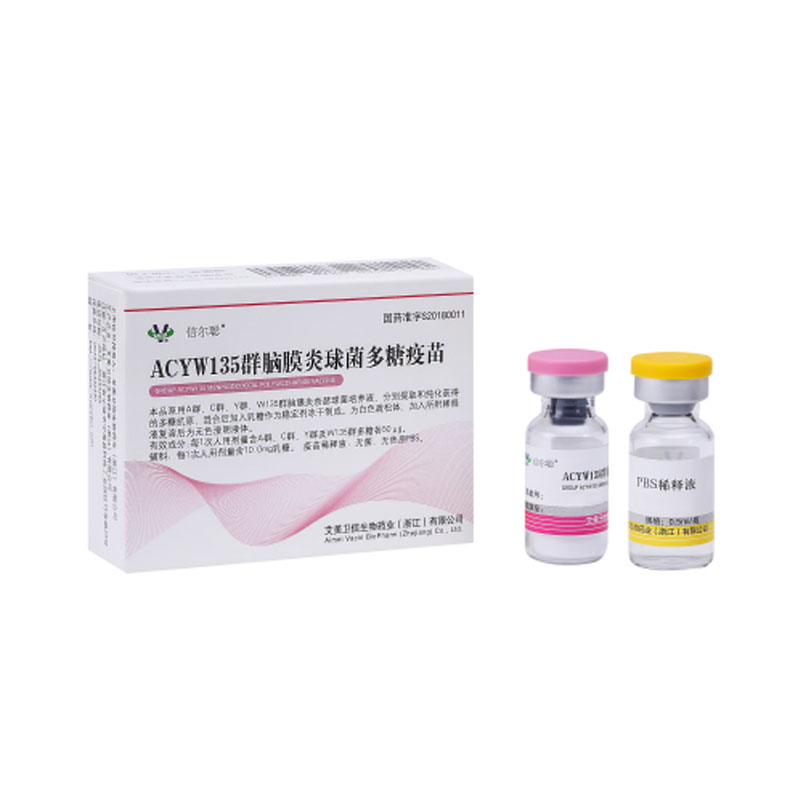
Understanding hepatitis A prevention requires a comprehensive approach that combines scientific research, vaccine development, quality control, and public health awareness. The Anti-Hepatitis A Virus Vaccine plays an important role in helping individuals develop immune protection against hepatitis A virus infection through advanced biological technology and carefully controlled manufacturing processes. This guide explores how the vaccine works, its production principles, quality management standards, and important considerations for healthcare applications.
- 1. Understanding Hepatitis A Virus and Its Health Impact
- 2. How Vaccine Technology Helps Build Immune Protection
- 3. Key Stages in Vaccine Development and Manufacturing
- 4. Quality Control Principles for Modern Vaccine Production
- 5. Healthcare Applications and Usage Considerations
- 6. Frequently Asked Questions
Understanding Hepatitis A Virus and Its Health Impact
Hepatitis A is an infectious disease caused by the hepatitis A virus (HAV), which primarily affects the liver. Unlike some chronic viral infections, hepatitis A usually causes an acute infection, but symptoms can significantly influence daily activities and overall health conditions. Transmission commonly occurs through contaminated food, water, or close contact with infected individuals.
The characteristics of hepatitis A virus make prevention an important part of global health management. Since the virus can spread in environments where hygiene conditions are difficult to maintain consistently, vaccination has become one of the most effective preventive approaches. Modern vaccine strategies focus on stimulating the body's immune system so it can recognize and respond efficiently when exposed to the virus.
Understanding Virus Transmission Characteristics
Hepatitis A virus belongs to the Picornaviridae family and has unique biological features that influence how it spreads and how preventive solutions are developed. The virus mainly enters the body through the digestive system and can then affect liver function.
- Transmission mainly occurs through the fecal-oral route.
- Contaminated food and water sources may contribute to infection risks.
- Close personal contact can increase the possibility of virus transmission.
- Public health strategies emphasize prevention through hygiene and immunization.
The Importance of Preventive Immunization
Preventive immunization provides a proactive method for reducing the possibility of hepatitis A infection. Instead of responding after exposure occurs, vaccination prepares the immune system in advance by introducing carefully processed biological materials that encourage immune recognition.
Healthcare organizations and medical researchers continue improving vaccine technologies to enhance safety, stability, and effectiveness. These developments support broader disease prevention strategies and strengthen public health protection systems worldwide.
How Vaccine Technology Helps Build Immune Protection
Vaccination works by introducing specific antigen components that allow the immune system to identify and remember virus-related characteristics. After receiving vaccination, the body can create immune responses that help prepare defensive mechanisms against future exposure.
The scientific foundation behind the Anti-Hepatitis A Virus Vaccine involves carefully selected viral materials that are processed under controlled conditions. These components are designed to stimulate immune activity while maintaining strict safety requirements throughout production.
Immune Response Activation Process
- Recognition of specific viral antigens by immune cells.
- Activation of protective immune responses.
- Formation of immune memory for future defense.
- Long-term monitoring of immune performance through scientific evaluation.
The immune system contains specialized cells that can remember previous encounters with specific antigens. This memory function allows faster responses when similar viral characteristics are detected again.