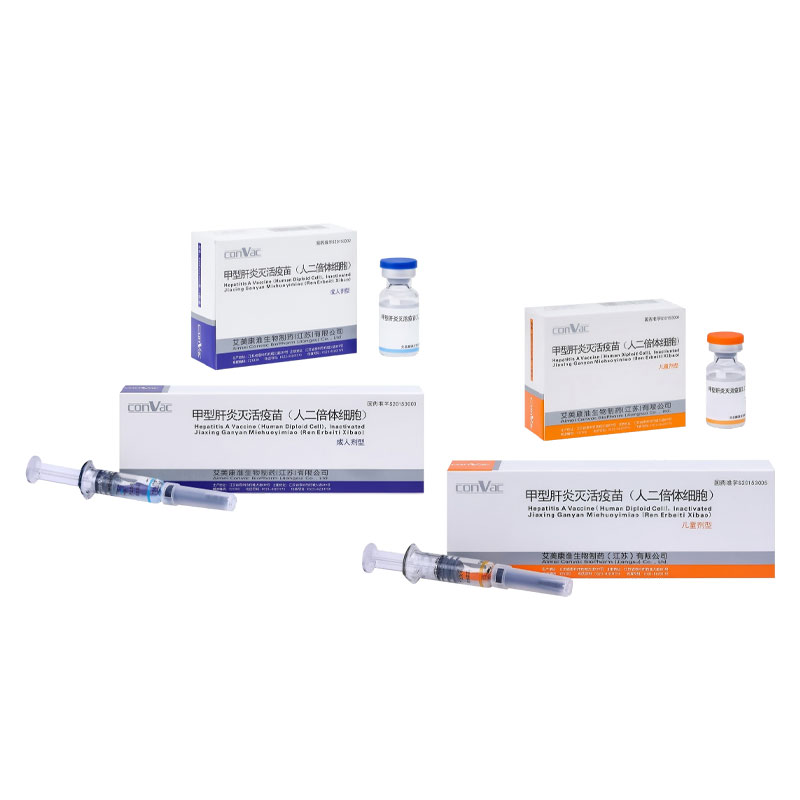
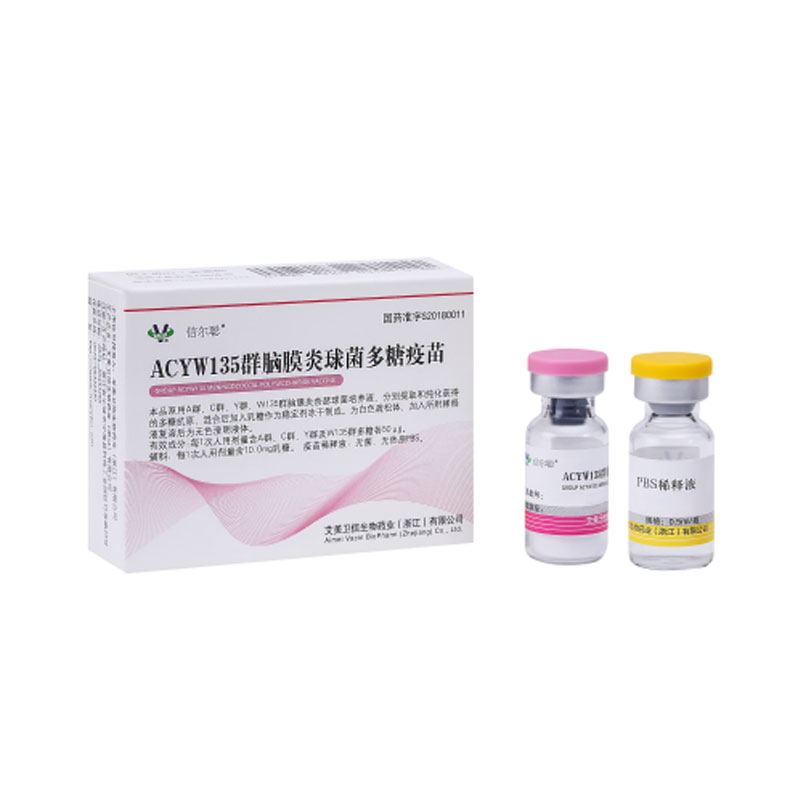
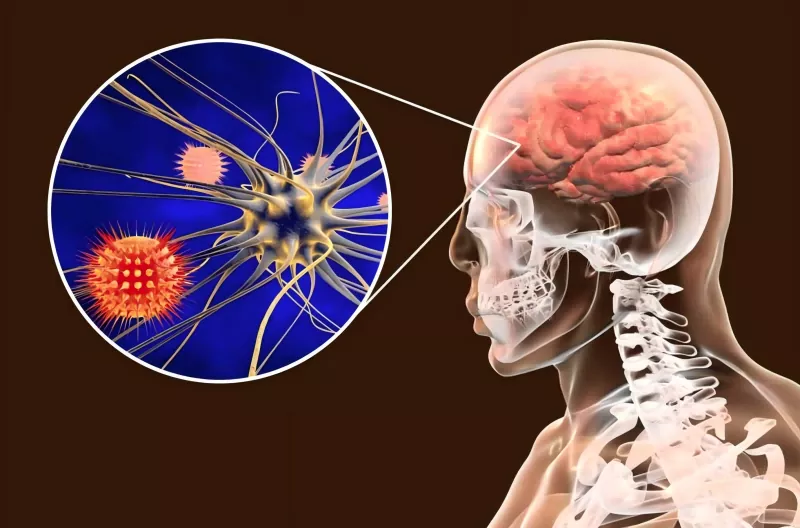
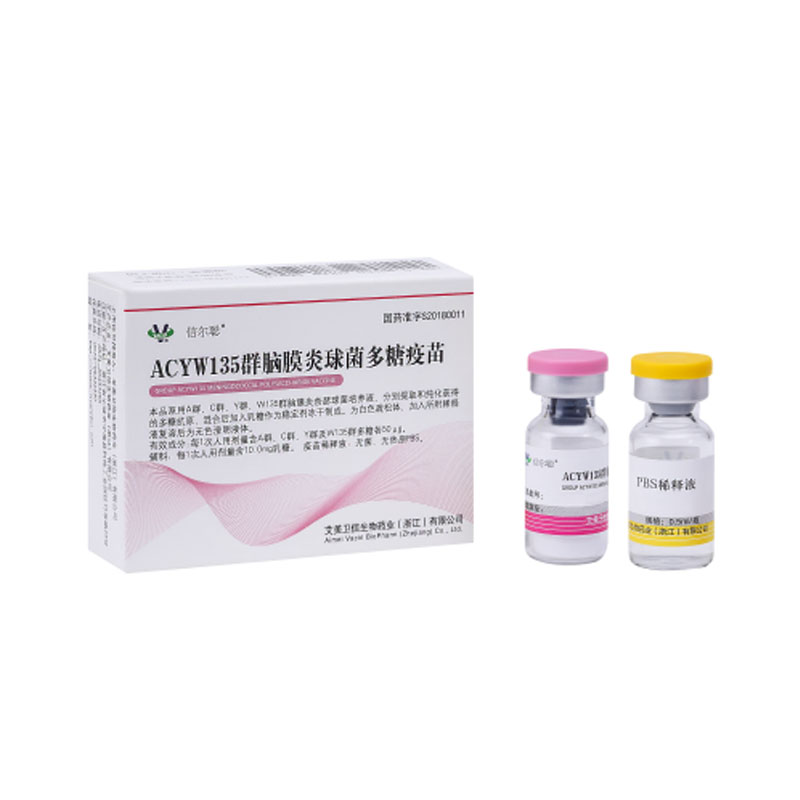
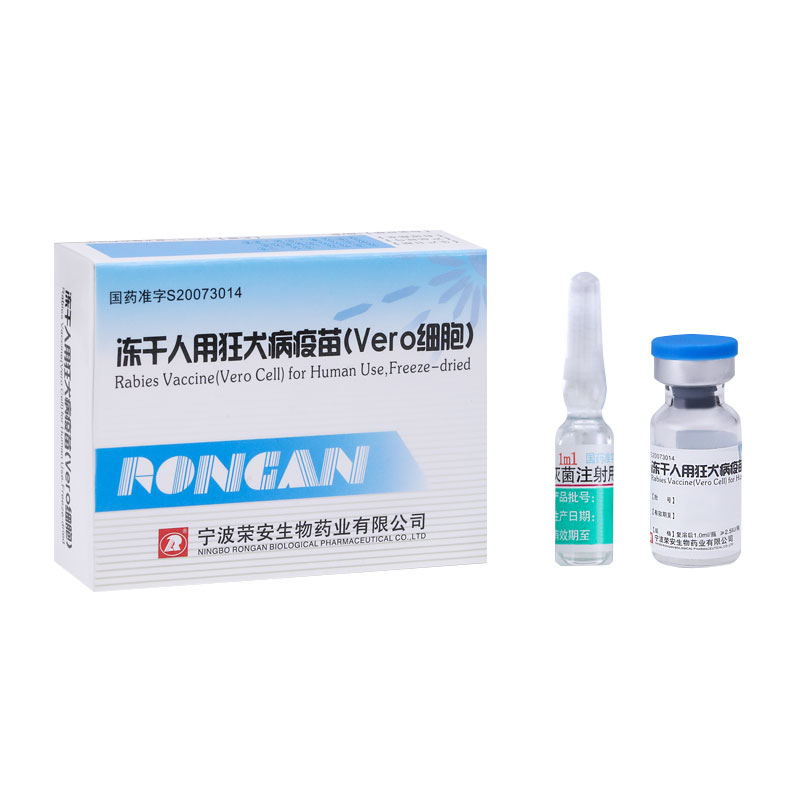
A bacterial meningitis vaccine helps protect against specific bacteria that can cause meningitis, a serious infection affecting the membranes surrounding the brain and spinal cord. Because several different bacteria can cause the disease, protection may involve meningococcal, pneumococcal, and Haemophilus influenzae type b (Hib) vaccines. This guide explains the major vaccine types, how they work, who may benefit, vaccination considerations, safety, and practical steps for making informed immunization decisions.

1. Understanding Bacterial Meningitis
Bacterial meningitis is a serious infection of the meninges, the protective membranes surrounding the brain and spinal cord. It can progress rapidly, leading to neurological injury, hearing loss, bloodstream infection, or death. Survivors may experience long-term complications that affect communication, mobility, memory, or everyday activities.
Different bacteria cause different forms of meningitis. The organisms involved, the person's age, existing health conditions, and exposure circumstances all influence the risk of infection.
Common Bacterial Causes
- Neisseria meningitidis: Also called meningococcus, this bacterium can cause meningitis and meningococcal bloodstream infection. Certain strains may spread through close contact and cause outbreaks.
- Streptococcus pneumoniae: Known as pneumococcus, this bacterium can cause meningitis, pneumonia, bloodstream infections, and other illnesses.
- Haemophilus influenzae type b: Hib can cause invasive infections, including meningitis, particularly in young children who are not adequately protected.
- Group B Streptococcus: This bacterium is an important cause of invasive disease in newborns, including meningitis. Prevention strategies differ from those used for meningococcal disease.
These organisms should not be treated as interchangeable. A vaccine targeting one bacterium does not automatically protect against the others. Understanding the cause-specific nature of prevention is the first step toward selecting appropriate immunization strategies.
2. Why Is Bacterial Meningitis Vaccination Important?
One of the greatest challenges of bacterial meningitis is its potential to become life-threatening within a short period. Early symptoms may resemble those of common infections, making it difficult to recognize the severity of the illness without medical evaluation.
Vaccination is a major public health tool because it reduces the risk of disease caused by the bacterial strains included in a vaccine. When vaccination coverage increases, communities can also benefit from reduced circulation of certain vaccine-preventable pathogens, although the extent of this effect varies by organism and vaccine.
Key Benefits of Vaccination
- Reduced risk of severe infection: Appropriate vaccines help prevent invasive disease caused by targeted bacteria and strains.
- Protection during vulnerable life stages: Routine childhood immunization helps protect children against certain serious bacterial infections.
- Support for outbreak prevention: Targeted vaccination programs can help control outbreaks caused by vaccine-covered meningococcal strains.
- Improved public health preparedness: Reliable immunization programs contribute to disease prevention and community health planning.
According to the World Health Organization, bacterial meningitis remains a major global health concern. Vaccines are among the most effective prevention tools available for several major bacterial causes, but no single vaccine prevents every form of meningitis.
3. What Types of Bacterial Meningitis Vaccines Are Available?
The term "bacterial meningitis vaccine" describes a group of vaccines rather than one universal product. Each vaccine is designed to protect against particular bacteria, serogroups, or serotypes. The appropriate choice depends on the intended protection, age, medical history, local disease patterns, and national recommendations.
| Vaccine Type | Primary Target | Typical Prevention Role |
|---|---|---|
| Meningococcal MenACWY | Meningococcal serogroups A, C, W, and Y | Prevention of disease caused by the included serogroups |
| Meningococcal MenB | Meningococcal serogroup B | Prevention of serogroup B meningococcal disease |
| MenABCWY | Meningococcal serogroups A, B, C, W, and Y | Combined coverage when the product is appropriate and both vaccine components are indicated |
| Pneumococcal conjugate vaccine (PCV) | Selected Streptococcus pneumoniae serotypes | Prevention of vaccine-covered pneumococcal disease, including some meningitis cases |
| Haemophilus influenzae type b (Hib) | Haemophilus influenzae type b | Prevention of invasive Hib disease, including Hib meningitis |
Meningococcal Vaccines
Meningococcal vaccines are particularly relevant when preventing meningococcal meningitis and meningococcal sepsis. MenACWY vaccines target four serogroups, while MenB vaccines target serogroup B. Certain combination vaccines cover five serogroups and may be an option when the relevant components are indicated together.
These products are not universally interchangeable. Their licensed age ranges, dosing schedules, and indications vary by jurisdiction and product.
Pneumococcal Vaccines
Pneumococcal conjugate vaccines protect against selected pneumococcal serotypes. They are important in childhood immunization programs and may also be recommended for certain adults based on age, underlying health conditions, or other risk factors. The number of serotypes covered differs between vaccine formulations.
Hib Vaccines
Hib vaccination has substantially reduced invasive Hib disease in settings with effective immunization programs. It is routinely included in childhood immunization schedules in many countries. Hib vaccines do not prevent meningitis caused by pneumococcus, meningococcus, or unrelated organisms.
4. How Does a Bacterial Meningitis Vaccine Work?
Vaccines prepare the immune system to recognize specific components of a pathogen without requiring the person to experience the full disease. After vaccination, the immune system can develop antibodies and other immune responses that help it recognize and respond to the targeted organism during a future exposure.
Understanding Conjugate Vaccines
Conjugate vaccines link a bacterial polysaccharide to a carrier protein. This design helps the immune system generate a more effective response, particularly in infants and young children, compared with certain unconjugated polysaccharide vaccines. Conjugate vaccines can also support immune memory, depending on the product and target.
Understanding Protein-Based Vaccines
Some meningococcal serogroup B vaccines use selected bacterial proteins to stimulate protective immune responses. Because bacterial strains vary, protection depends on how well the vaccine antigens match the circulating strains.
Why Timing and Dose Completion Matter
Some vaccine schedules require multiple doses to establish or maintain adequate protection. The interval between doses and the need for boosters depend on the specific product, age at vaccination, medical risk factors, and applicable guidelines.
Protection may not develop immediately after a dose. A healthcare professional can explain the expected timing and whether additional doses are necessary.
5. Who May Need a Bacterial Meningitis Vaccine?
Vaccination recommendations are not identical for everyone. Public health authorities consider age, disease incidence, medical vulnerability, travel destinations, and exposure risks when developing immunization schedules.
Infants and Young Children
Infants and young children are eligible for routine vaccines that protect against important causes of invasive bacterial disease, including Hib and pneumococcal infections. Some children may also need meningococcal vaccination because of particular health conditions or exposure risks.
Adolescents and Young Adults
Adolescents may be recommended to receive meningococcal vaccination because certain living and social environments can increase opportunities for close-contact transmission. For example, students living in shared accommodation may need to review their meningococcal vaccination history before entering college or university.
In the United States, the CDC recommends routine MenACWY vaccination for adolescents at 11–12 years, with a booster at 16 years. MenB vaccination is considered through shared clinical decision-making for certain adolescents and young adults, subject to current recommendations and individual circumstances.
Adults with Specific Risk Factors
Some adults may require additional vaccination because of underlying conditions, immune-system concerns, occupational or environmental exposure, or other recognized risk factors. Recommendations may apply to people with certain complement deficiencies, absent or impaired spleen function, or specific travel-related risks.
International Travelers
Travelers visiting regions with elevated meningococcal disease risk should review destination-specific guidance. Certain countries may require proof of meningococcal vaccination for particular travel purposes, including specific religious pilgrimages. Requirements and recommended vaccine coverage can change, so travelers should consult official travel health guidance before departure.
People with Previous Vaccination Records
A previous dose does not necessarily mean that all relevant protection is complete. The vaccine type, date, age at administration, and any subsequent boosters all matter. When records are incomplete or unclear, a healthcare provider can help determine the appropriate next step.
6. Vaccination Schedules and Timing
There is no single schedule that applies to every bacterial meningitis vaccine. The number of doses and recommended intervals vary by vaccine, age, health status, and national immunization policy.
| Situation | What to Review | Recommended Next Step |
|---|---|---|
| Routine childhood vaccination | Hib and pneumococcal immunization records | Follow the national childhood schedule |
| Adolescent vaccination | MenACWY history and eligibility for MenB vaccination | Discuss routine and risk-based recommendations |
| Medical risk factors | Underlying conditions, previous doses, and product indications | Obtain individualized clinical advice |
| International travel | Destination-specific disease risks and entry requirements | Consult a travel health clinic in advance |
| Missed or uncertain doses | Available vaccination records and the applicable catch-up schedule | Ask a healthcare professional to review the record |
Do not assume that receiving one type of meningococcal vaccine eliminates the need for another type. Likewise, combination vaccines should only be used when their approved indications and recommended schedules are appropriate.
For current recommendations, consult the relevant national immunization authority. In the United States, the CDC publishes updated recommendations for meningococcal, pneumococcal, and Hib vaccination.
7. Is a Bacterial Meningitis Vaccine Safe?
Licensed vaccines are evaluated for safety and effectiveness before authorization and are monitored after they enter use. Like other medicines, vaccines can cause side effects, and the expected reactions vary according to the vaccine formulation and individual circumstances.
Common Side Effects
Some people experience mild, temporary reactions after vaccination, such as:
- Pain, redness, or swelling at the injection site.
- Mild fever or chills.
- Headache or fatigue.
- Muscle aches or general discomfort.
- Temporary irritability or reduced appetite in young children.
These reactions usually resolve without specific treatment. However, individuals should follow the instructions supplied with the vaccine and seek medical advice if symptoms are concerning or persistent.
When to Seek Professional Advice Before Vaccination
- A previous severe allergic reaction to a vaccine or one of its ingredients.
- A current significant illness or a history that may affect vaccination timing.
- Pregnancy, immune-system conditions, or relevant medication use when these factors affect product-specific recommendations.
- Uncertainty about prior doses, vaccine products, or the recommended schedule.
Mild illnesses do not automatically prevent vaccination, but the decision depends on the clinical circumstances. A healthcare professional can assess contraindications, precautions, and the appropriate timing for a particular product.
8. What Can and Cannot a Bacterial Meningitis Vaccine Prevent?
Vaccination is a powerful preventive measure, but its protection has defined limits. Understanding these limits helps individuals make realistic decisions about personal and community health.
What Vaccination Can Do
- Reduce the risk of disease caused by the bacteria or strains included in the vaccine.
- Help prevent certain serious outcomes associated with vaccine-covered infections.
- Support broader disease-control efforts when vaccination is widely adopted.
What Vaccination Cannot Guarantee
- Protection against every bacterial strain or every cause of meningitis.
- Complete prevention of infection in every vaccinated person.
- Immediate protection following administration.
- Replacement of urgent medical assessment, antibiotic treatment, or other clinical care when an infection is suspected.
Vaccines also do not eliminate the need for public health measures. Hand hygiene, appropriate infection-control practices, prompt assessment of symptoms, and following public health advice after exposure remain important.
If a close contact is diagnosed with meningococcal disease, public health professionals may recommend preventive antibiotics for eligible contacts. Vaccination alone is not a substitute for this assessment.
9. How to Prepare for Bacterial Meningitis Vaccination
Good preparation can help prevent missed doses, clarify eligibility, and ensure that the vaccine selected is appropriate for the intended recipient.
A Practical Checklist
- Collect previous vaccination records, including product names and dates where available.
- Confirm the recipient's age and the reason vaccination is being considered.
- Tell the healthcare provider about allergies, previous vaccine reactions, medical conditions, and relevant medications.
- Review travel plans, school or university requirements, and any known exposure risks.
- Ask whether additional doses or booster doses may be needed.
- Request written instructions for expected side effects and when to seek medical care.
- Keep the updated vaccination record for future appointments or travel documentation.
Questions Worth Asking a Healthcare Provider
- Which bacteria and strains does this vaccine target?
- Is this vaccine recommended for the recipient's age and medical circumstances?
- Are other vaccines needed to cover different causes of bacterial meningitis?
- What is the recommended interval between doses?
- What should be done if a dose is delayed or the vaccination record is incomplete?
These questions are particularly useful for parents planning childhood immunization, students preparing to live in shared accommodation, and travelers visiting regions with elevated meningococcal risk.
10. Recognizing Symptoms and Seeking Urgent Care
Understanding prevention is important, but recognizing a possible emergency is equally essential. Bacterial meningitis can worsen quickly, and early treatment is critical when the disease is suspected.
Potential Warning Signs
- Fever and a severe or persistent headache.
- A stiff neck or pain when moving the neck.
- Confusion, unusual drowsiness, or difficulty waking.
- Nausea, vomiting, or sensitivity to light.
- Seizures or a sudden change in consciousness.
- A dark purple or red rash that does not fade when pressed, particularly when accompanied by fever or other signs of severe illness.
Symptoms in Infants
Babies may not display the classic symptoms seen in older children and adults. Warning signs can include poor feeding, unusual irritability, weak or persistent crying, reduced activity, difficulty waking, or a bulging soft spot on the head.
Do not wait for every symptom to appear, for a rash to develop, or for a vaccination history to be checked. Vaccination does not rule out meningitis, and suspected bacterial meningitis requires urgent professional assessment and treatment.
11. Frequently Asked Questions About Bacterial Meningitis Vaccines
1. Is there one vaccine that prevents all bacterial meningitis?
No. Several bacteria can cause meningitis, and available vaccines target specific organisms or strains. Meningococcal, pneumococcal, and Hib vaccines cover important vaccine-preventable causes, but no single vaccine prevents every type of bacterial meningitis.
2. Is a meningococcal vaccine the same as a pneumococcal vaccine?
No. Meningococcal vaccines target Neisseria meningitidis, while pneumococcal vaccines target Streptococcus pneumoniae. These are different bacteria and require different vaccines.
3. Do children need bacterial meningitis vaccines?
Children need routine immunization against certain bacteria that can cause meningitis, including Hib and pneumococcus, according to their country's vaccination schedule. Additional meningococcal vaccines may be recommended depending on age, health conditions, and exposure risks.
4. Do adults need meningococcal vaccination?
Some adults may need meningococcal vaccination because of specific medical conditions, travel plans, occupational circumstances, or outbreak-related risks. Recommendations differ by country and individual risk profile.
5. How long does protection from a meningitis vaccine last?
Protection varies by vaccine, the targeted organism, age at vaccination, and individual immune response. Some people need booster doses to maintain protection. Follow the schedule recommended for the specific product and recipient.
6. Can a vaccinated person still develop meningitis?
Yes. Vaccines do not prevent every case because they target selected organisms or strains and do not provide absolute protection. Symptoms that suggest meningitis still require urgent medical evaluation, regardless of vaccination status.
7. What should I do if I miss a scheduled vaccine dose?
Contact a healthcare provider or vaccination clinic with the available immunization records. The appropriate catch-up plan depends on the vaccine, the doses already received, the recipient's age, and the applicable guidelines. Do not assume the series must automatically be restarted.
8. Are bacterial meningitis vaccines required for international travel?
Requirements depend on the destination and purpose of travel. Certain destinations and events may have specific meningococcal vaccination rules, while other trips may warrant vaccination based on exposure risk. Check official travel health guidance before departure.
9. Can antibiotics replace a bacterial meningitis vaccine?
No. Vaccines and antibiotics have different roles. Antibiotics may be required to treat bacterial meningitis or provide preventive treatment to certain close contacts after exposure. They do not replace routine vaccination, and suspected meningitis requires urgent medical care.
10. Where can I find reliable information about vaccine recommendations?
Consult your national public health authority, a licensed vaccination provider, or a qualified healthcare professional. International guidance is available from the World Health Organization, while the CDC provides detailed vaccine recommendations for people in the United States.
12. Conclusion: Making Informed Decisions About Bacterial Meningitis Vaccines
A bacterial meningitis vaccine is an important part of preventing serious infections caused by specific bacteria. Because meningitis has multiple causes, effective prevention depends on understanding which pathogens are covered, who is eligible for vaccination, and when additional doses or boosters may be appropriate.
Parents, healthcare professionals, travelers, and other individuals making vaccination decisions should review reliable public health guidance and maintain accurate immunization records. Recognizing warning signs and seeking urgent care when meningitis is suspected remain essential, even for vaccinated individuals.
For organizations involved in vaccine research, supply, and healthcare-related solutions, clear product information and responsible communication are equally important. AIM VACCINE CO., LTD. recognizes the value of accessible vaccine information in helping stakeholders understand disease prevention, vaccine categories, and the importance of informed immunization decisions.
Learn More About Vaccine Solutions
Looking for further information about vaccine products, manufacturing capabilities, or potential business cooperation? AIM VACCINE CO., LTD. welcomes inquiries from qualified healthcare organizations, distributors, and industry partners.
For product-related questions or business inquiries, please contact us to discuss your requirements and explore suitable next steps.
Please use the company's official website or verified business contact channels to request current product information, applicable documentation, and cooperation details.