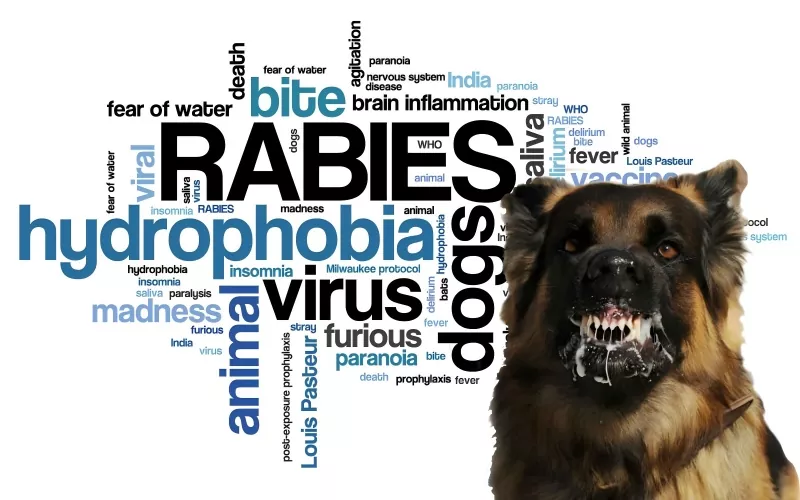
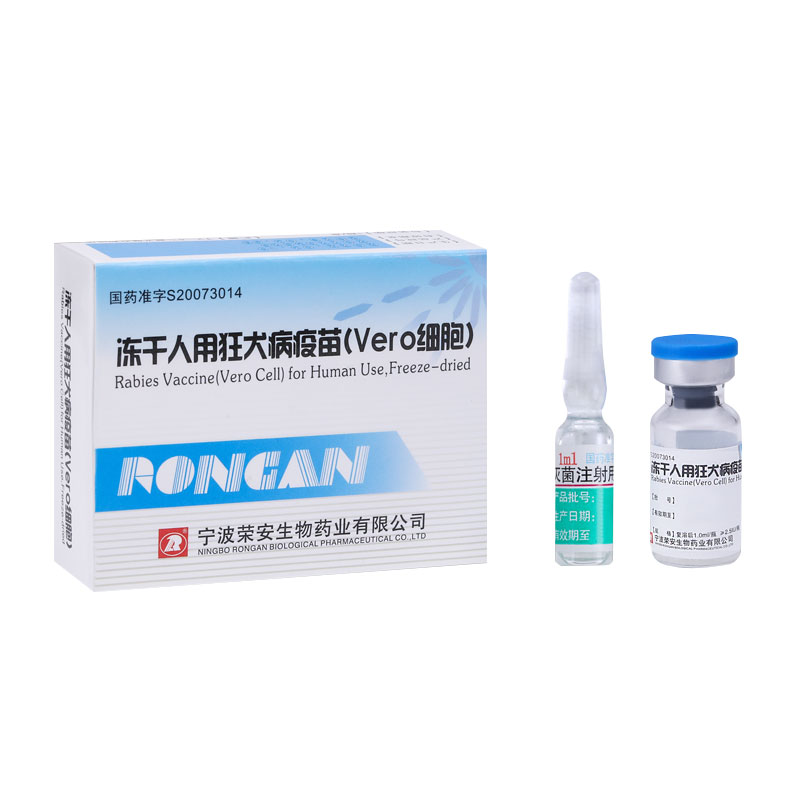
Dog‑transmitted rabies accounts for the overwhelming majority of human rabies cases across rabies‑endemic regions worldwide. Exposure incidents such as dog bites create urgent clinical scenarios requiring timely and appropriate biological intervention to block viral progression toward fatal neurological disease. Freeze‑Dried Rabies Vaccine Vero Cell for Human Use is an inactivated lyophilized cell‑culture vaccine deployed widely for post‑exposure prophylaxis following animal bite events. This article explores the underlying virological principles, manufacturing fundamentals, clinical safety observations, immune response characteristics, field deployment constraints and program‑level operational factors relevant to dog‑bite‑related immunization. Content draws upon global public‑health guidance for rabies control and addresses practical challenges faced by medical practitioners, public‑health program administrators and procurement specialists working within endemic zones.
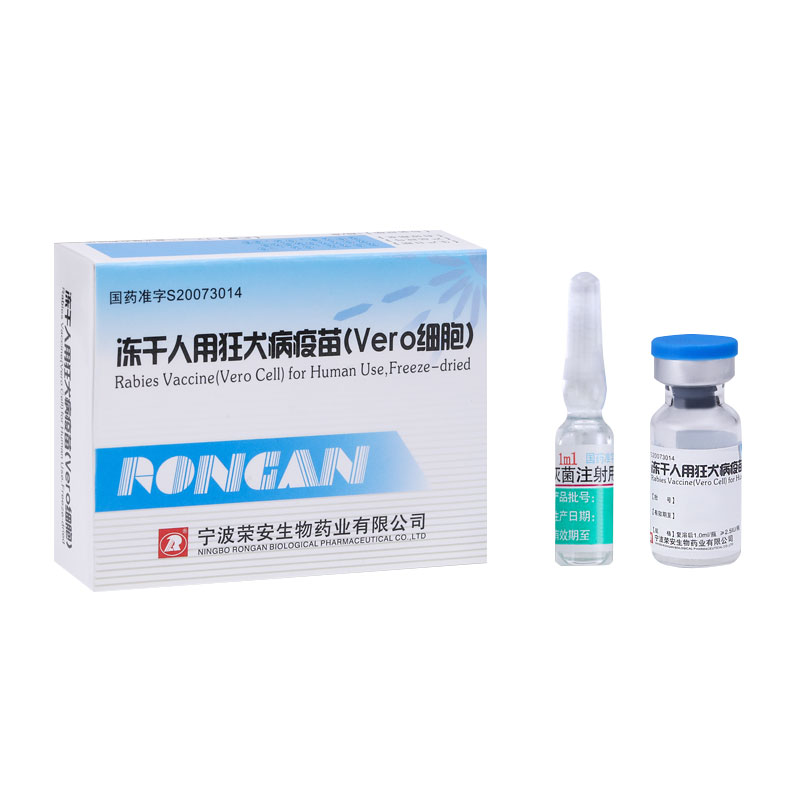
Table of Contents — Click each entry to jump to the corresponding section
1. Rabies Exposure Context Created by Dog‑Bite Incidents
Canine bites represent the primary transmission pathway for human rabies infection throughout most parts of the world where rabies remains endemic. When an infected animal breaks human skin, infectious saliva containing neurotropic rabies virus gains access to subcutaneous tissue and peripheral nerve structures. The virus does not trigger immediate systemic illness; instead it migrates slowly along nerve fibers toward the central nervous system. Once viral particles reach brain tissue, symptomatic rabies develops, and survival rates become extremely limited regardless of subsequent medical intervention. This biological timeline creates a narrow but actionable window where post‑exposure prophylaxis can establish protective immunity before neuroinvasion completes.
Not every dog bite carries identical risk level. Clinical classification frameworks separate exposure events into distinct tiers based on wound depth, skin integrity and contact with animal saliva. Superficial contact without broken skin sits at lower risk levels, while deep puncture wounds, lacerations, bites located on head, neck or upper extremity zones fall into higher‑risk categories. High‑risk exposure demands combined intervention including local wound care and specific biological products. Local wound irrigation with soap and running water constitutes a foundational first‑response step that reduces viral load at injury sites before any vaccine administration takes place.
Many community‑level medical facilities operating within endemic territories face realistic operational hurdles. Patient arrival may happen hours or even days after bite injury occurs. Cold‑chain infrastructure can experience intermittent disruption across remote locations. Medical staff must make rapid decisions balancing exposure risk assessment, available product stock and patient follow‑up compliance. These on‑site realities directly shape which vaccine platforms deliver the most reliable performance under real‑world program conditions.
- Wound‑site management: thorough flushing and disinfection must begin immediately after bite injury, regardless of subsequent vaccine scheduling.
- Risk grading: anatomical location of wounds, depth of tissue damage and animal observation status jointly define intervention scope.
- Time sensitivity: intervention delay increases risk, yet valid post‑exposure schedules still apply even for patients presenting days after exposure event.
- Follow‑up adherence: completion of full immunization series remains essential to achieve intended immune protection.
2. Core Manufacturing Logic of Lyophilized Vero‑Cell Rabies Biologicals
Vero‑cell technology serves as a well‑established continuous cell substrate for multiple viral vaccine formulations used across global immunization programs. The cell line supports controlled rabies virus replication inside bioreactor production environments. Following viral cultivation, harvest processes isolate viral particles, and rigorous inactivation steps eliminate infectious viral capability while preserving key antigen structures capable of triggering human immune recognition. The resulting bulk antigen undergoes purification workflows aimed at removing cell‑culture residuals and process‑related impurities before formulation steps commence.
Lyophilization, or freeze‑drying, constitutes the defining manufacturing step that differentiates this product from liquid‑form rabies vaccine alternatives. After sterile filling, finished vials go through controlled low‑temperature dehydration cycles. Removing moisture from final vaccine formulation delivers meaningful advantages for transport and storage scenarios. Lyophilized presentation reduces vulnerability to temperature fluctuation that can degrade liquid biological formulations during transit or temporary cold‑chain interruptions.
Freeze‑Dried Rabies Vaccine Vero Cell for Human Use requires reconstitution with supplied diluent right before injection. Proper mixing technique matters for consistent antigen distribution inside vial contents. Reconstituted material cannot endure extended holding periods; medical personnel must complete administration shortly after vial rehydration finishes. Manufacturing batches execute multi‑stage quality assessment covering antigen potency, sterility testing, residual substance monitoring and physical stability inspection before batch release authorization.
Continuous cell‑culture production pathways differ significantly from older nerve‑tissue vaccine approaches. Nerve‑tissue rabies vaccines carried higher rates of adverse neurological events and have largely been phased out from modern public‑health recommendations. Vero‑cell based inactivated vaccines represent the current preferred technical direction for mass‑scale rabies post‑exposure programs in numerous endemic nations.
3. Safety Profile Observed in Post‑Exposure Immunization Scenarios
Safety evaluation for rabies post‑exposure vaccine draws on accumulated clinical surveillance data gathered across large recipient populations. Adverse events separate into local injection‑site responses and systemic reactions. Local manifestations include temporary redness, mild swelling, tenderness or slight induration at injection sites. These occurrences are generally self‑limited, emerge within one to two days after injection and resolve without specialized medical treatment over short time windows.
Systemic events reported among vaccine recipients comprise low‑grade transient fever, mild fatigue, headache or temporary muscle aches. Such symptoms rarely persist beyond forty‑eight hours. Severe hypersensitivity episodes remain uncommon within overall safety datasets. Medical facilities administering biological products should maintain standard emergency response supplies to manage rare allergic presentations, following universal clinical preparedness protocols for injectable biological agents.
Special recipient groups including pediatric patients, older adult populations and persons living with stable chronic medical conditions can receive this post‑exposure prophylaxis when clinically indicated. Rabies fatality risk outweighs most hypothetical vaccine‑related risks whenever valid exposure has taken place. Contraindications do not apply for individuals requiring urgent post‑bite immunization, even when recipients experience mild concurrent illness. Pre‑existing allergy toward vaccine components represents the primary consideration for risk‑versus‑benefit clinical judgment.
Surveillance systems operating within immunization programs continuously collect real‑world safety signals. Aggregated field‑safety data reinforces that benefit‑risk balance remains strongly favorable for exposed persons facing life‑threatening rabies threat. Practitioners should document observed adverse events following local reporting frameworks for biological product safety monitoring.
4. Immune Response and Clinical Effectiveness for Bite‑Related Prophylaxis
Successful post‑exposure prophylaxis depends on the vaccine’s capacity to prompt the human immune system to generate neutralizing anti‑rabies antibody levels within biologically relevant timelines. Neutralizing antibody acts as primary correlate of protection against rabies virus. Sufficient antibody concentration must develop before viral agents travel along peripheral nerves into central nervous compartments. Immunization schedules define timed injection points designed to drive seroconversion within this critical biological window.
Immunogenicity studies demonstrate that properly completed vaccination series produce expected seroconversion rates among vast majority of exposed recipients. Deviation from recommended dosing intervals, incomplete series completion or improper product handling can interfere with desired immune outcomes. For category‑III high‑level exposure events, vaccine alone cannot deliver adequate protection; concomitant administration of rabies immunoglobulin delivers instant passive antibody coverage while active vaccine‑driven immunity builds progressively over successive doses.
Freeze‑Dried Rabies Vaccine Vero Cell for Human Use follows immunization schedules aligned with widely‑accepted international guidance frameworks. Both intramuscular and validated intradermal delivery regimens can be implemented subject to product labelling and local public‑health authority authorizations. Intradermal schedules consume smaller per‑patient vaccine volumes, which improves stock efficiency for large‑scale public‑health campaigns where product availability represents a limiting operational factor.
Clinical effectiveness cannot be isolated from surrounding procedural quality. Wound‑care neglect, omitted immunoglobulin for high‑risk cases, broken cold‑chain conditions or patient loss‑to‑follow‑up all can undermine final patient outcomes even when using high‑quality vaccine material. Program planners must view vaccine product as one component within a complete multi‑element response package for dog‑bite rabies exposure management.
5. Critical Handling, Storage and Reconstitution Requirements in Field Settings
Even with freeze‑dried formulation advantages, defined storage temperature boundaries still apply for unopened vial inventory. Standard recommended storage ranges keep lyophilized vaccine within cool refrigerated zones, avoiding freezing damage to diluent components and avoiding prolonged high‑temperature environmental exposure. While freeze‑dried construction grants improved heat‑resistance compared to liquid alternatives, it does not grant unlimited thermal tolerance. Continuous excessive ambient heat will gradually degrade antigen potency over extended time spans.
Reconstitution workflow represents a high‑risk manual step prone to human procedural error in busy clinical environments. Only the matched supplied diluent should combine with vaccine powder vials. Operators must avoid using alternative liquid substances for rehydration. Gentle swirling achieves full powder dissolution; vigorous shaking generates excessive foam and may damage antigen structure visually without obvious warning signs. Once reconstituted, the mixed solution has limited usable lifespan and should be injected without unnecessary delay.
Field‑site inventory management practices directly preserve product performance. Batch rotation following first‑expiry‑first‑out principles reduces waste and prevents deployment of expired vials. Visual inspection before reconstitution checks vial integrity, seal condition and powder physical appearance. Any vial presenting cracked glass, broken vacuum seal or abnormal powder appearance should be discarded and never prepared for patient administration.
- Unreconstituted vials: maintain recommended refrigerated storage conditions throughout inventory holding and transport cycles.
- Diluent matching: exclusively pair vaccine vials with manufacturer‑provided diluent units.
- Mixing technique: slow gentle swirl, reject vigorous shaking that creates heavy foam formation.
- Post‑reconstitution timeline: administer promptly after mixing completes; do not store reconstituted vials for later‑shift usage.
- Visual screening: reject vials showing seal failure, glass damage or abnormal physical appearance.
6. Standard Clinical Protocol Alignment for Different Exposure Categories
Exposure classification frameworks guide medical teams toward matching intervention intensity according to real‑world infection risk. Category‑I exposure describes touching or feeding animals, intact‑skin contact with animal saliva; under standard guidance no vaccine intervention becomes necessary. Category‑II covers minor scratches, abrasions without overt bleeding; vaccine series initiation is indicated. Category‑III includes single or multiple transdermal bites, bleeding lacerations, saliva contact onto broken mucous membrane surfaces; this tier requires combined vaccine plus rabies immunoglobulin application at wound surrounding sites.
Different official dosing schedules exist for post‑exposure scenarios. One widely deployed intramuscular schedule distributes doses across days 0, 3, 7, 14, and 28. Alternative abbreviated schedules and intradermal regimens offer valid alternatives where formally approved by local health authorities. Day‑0 corresponds to the day of first clinical consultation, not necessarily the exact calendar day when bite injury originally took place. Patients presenting late after exposure still deserve full course intervention because rabies incubation periods can extend across variable time spans.
Wound‑site infiltration of rabies immunoglobulin follows important technical rules. Calculated total dosage gets injected into tissue surrounding wound edges as much as anatomically feasible. Remaining volume can be delivered through distant intramuscular injection site, never using the same anatomical location used for vaccine shot. This separation prevents passive antibody from interfering with active vaccine‑triggered immune development.
Medical administrators must educate patients about appointment adherence. Missed appointments need clear catch‑up rules rather than restarting full series from beginning. Local public‑health guidelines supply detailed catch‑up logic for interrupted post‑exposure vaccination cycles. Caregivers for pediatric recipients should understand expected injection cadence and return‑visit timelines before leaving initial consultation facility.
7. Comparative Overview of Cell‑Culture Rabies Vaccine Platforms
Multiple modern cell‑culture rabies vaccine platforms exist for human post‑exposure application. Each production substrate brings distinct manufacturing, logistical and performance characteristics. Understanding these differences supports procurement teams and clinical leaders during product evaluation and tender‑specification drafting processes.
| Vaccine Platform Type | Physical Presentation | Cold‑Chain Robustness | Global Program Adoption | Key Practical Notes |
|---|---|---|---|---|
| Vero‑Cell Inactivated | Freeze‑dried lyophilized vial | High tolerance toward brief temperature deviation | Extensive across endemic territories | Needs matched diluent for reconstitution before injection |
| Vero‑Cell Inactivated | Ready‑to‑use liquid vial | More sensitive against heat fluctuation | Moderate regional deployment | No reconstitution step required, simpler clinical workflow |
| Human Diploid‑Cell | Freeze‑dried lyophilized vial | Good thermal stability | Limited‑volume high‑resource settings | Complex production capacity constrains large‑scale supply throughput |
| Chicken Embryo‑Cell | Liquid or lyophilized formats | Variable by specific formulation | Regional‑level usage | Requires awareness for persons with documented egg‑related allergies |
Comparative assessment should never focus on single isolated parameter. Total system performance includes supply‑chain dependability, batch‑to‑batch consistency, local regulatory registration status and on‑site clinical workflow fit. What performs optimally inside high‑resource urban hospitals may not represent the most practical selection for dispersed rural health networks facing frequent cold‑chain stress. Freeze‑Dried Rabies Vaccine Vero Cell for Human Use balances scalable manufacturing output with lyophilized logistical strengths, making it well‑suited for broad public‑health rabies control initiatives within many endemic geographies.
8. Operational Challenges for Public‑Health and Medical Facility Deployment
Even with technically suitable biological products, real‑world rabies prophylaxis programs face layered operational obstacles. Patient geographic distance from service points, limited health‑worker training levels, inconsistent cold‑chain infrastructure and poor patient follow‑up collectively reduce real‑world intervention effectiveness regardless of vaccine intrinsic quality.
Procurement and stock management represent one critical challenge. Many endemic regions experience periodic supply fluctuation. Inventory planning must forecast seasonal patterns of animal‑bite injury occurrences. Buffer stock strategies help avoid complete stock‑out events that leave exposed patients without accessible prophylaxis options. Tender documentation should clearly define lyophilized product requirements, diluent pairing rules, batch release documentation demands and shelf‑life expectations.
Front‑line medical staff competency directly shapes outcomes. Training content needs to cover exposure risk categorization, wound‑care technique, correct vaccine reconstitution, immunoglobulin administration rules and patient follow‑up counselling. In remote satellite clinics, staff turnover creates recurring training requirements to maintain consistent procedural standards over multi‑year program cycles.
Community‑level education complements facility‑based service delivery. Local populations need basic awareness regarding immediate wound‑washing steps after animal bite events, and understanding that partial vaccination series delivers incomplete protective benefit. Misconceptions circulating within communities can delay patients seeking formal medical attention until irreversible disease stages approach.
AIM maintains technical documentation resources to support institutional buyers and medical program stakeholders reviewing product specifications for rabies prophylaxis system planning.
9. Frequently Asked Questions
10. Practical Guidance for Program Stakeholders
Planning effective dog‑bite rabies response systems requires holistic thinking beyond vaccine product selection alone. Successful systems integrate community awareness pathways, front‑line clinical competency, reliable supply‑chain workflows, cold‑chain maintenance, wound‑care material availability and mechanisms to support patient follow‑up through full immunization cycles. No single biological product can compensate for gaps across these supporting program components.
When evaluating vaccine options for institutional tenders or facility formulary updates, stakeholders should review complete product documentation including potency‑related batch release specifications, shelf‑life parameters, storage requirements, reconstitution operating guidance and local regulatory registration validation. Field‑level operational constraints deserve equal weight alongside laboratory‑derived immunogenicity datasets.
Ongoing post‑introduction monitoring helps programs observe real‑world performance patterns. Safety signal collection, stock‑out incident tracking, and feedback from front‑line clinical users generate actionable insights for continuous program refinement. Rabies elimination targets across endemic territories depend on coordinated efforts spanning animal‑population control, human prophylaxis access and cross‑sector public‑health collaboration.
For detailed technical documentation, product specification sheets and institutional procurement related information for rabies biological solutions, please contact us to connect with the technical support team.