News
Meningococcal Vaccine Guide
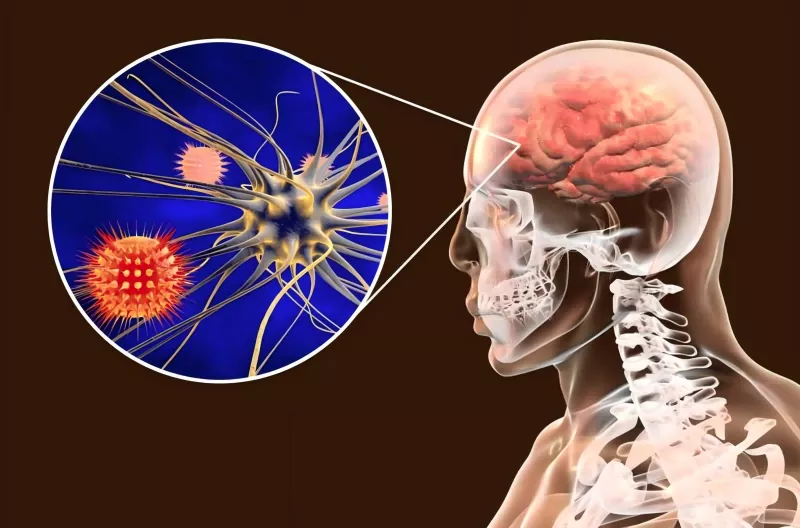
Epidemic cerebrospinal meningitis is an acute respiratory infectious disease caused by Neisseria meningitidis, which can lead to purulent meningitis and sepsis. This disease spreads easily, and both patients and asymptomatic carriers can transmit the virus. There are 12 known serogroups of Neisseria meningitidis, and more than 95 percent of infections in local areas are caused by serogroups A, C, Y and W135. Vaccination is the most effective way for prevention. Good ventilation and targeted preventive medication are also helpful.
Types of Vaccines
1. Group A Meningococcal Polysaccharide Vaccine
2. Group A and C Meningococcal Polysaccharide Vaccine
3. Group A and C Meningococcal Conjugate Vaccine
4. Combined Vaccine for Group A, C Meningococcus and Haemophilus Influenzae Type b
5. ACYW135 Meningococcal Conjugate Vaccine
6. ACYW135 Meningococcal Polysaccharide Vaccine
Functions of Different Vaccines
Each vaccine offers protection against corresponding serogroups of Neisseria meningitidis. Multi-valent vaccines such as ACYW135 can defend against four common serogroups and provide broader protection. Combined vaccines work against meningitis, pneumonia and sepsis triggered by Haemophilus influenzae type b as well. They can also reduce total injection times for children.
Vaccination Schedule and Introduction
Group A Meningococcal Polysaccharide Vaccine
Two doses are given at 6 months and 9 months of age. The interval between two doses shall be no less than three months. It prevents meningitis caused by Group A Neisseria meningitidis.
Group A and C Meningococcal Polysaccharide Vaccine
One dose is given at 3 years old and another at 6 years old. The interval shall be no less than three years. It works against infections from Group A and Group C bacteria.
Group A and C Meningococcal Conjugate Vaccine
It is suitable for children over 3 or 6 months old and adults. The exact starting age follows requirements of different manufacturers. Conjugate vaccines can build immune memory and offer longer protection compared with polysaccharide vaccines.
Combined Vaccine for Group A, C Meningococcus and Haemophilus Influenzae Type b
This vaccine is available for children above 2 months old. For kids aged 2 to 5 months, three doses are needed with one month apart. For those aged 6 to 11 months, two doses are required with one month apart. Children from 12 months to 71 months old only need one single dose.
ACYW135 Meningococcal Conjugate Vaccine
For infants aged 3 to 5 months, three basic doses are injected with one month apart, and a booster dose is recommended at 12 months old. Children aged 6 to 23 months need two doses with an interval of two to three months. Kids from 2 to 4 years old receive one dose. It covers serogroups A, C, Y and W135.
ACYW135 Meningococcal Polysaccharide Vaccine
It is open to children over 2 years old and adults. It provides protection against four main serogroups of Neisseria meningitidis.
Common Questions and Answers
Hazards of Meningococcal Meningitis
This illness develops rapidly with severe symptoms. Typical signs include fever, headache, vomiting, skin rashes and neck stiffness. In severe cases, patients may suffer from shock, brain damage and even death. Some survivors will have long-term nervous system problems.
People Not Suitable for Vaccination
People who have severe allergies to any vaccine component cannot get vaccinated. Those suffering from acute illness, fever or severe chronic diseases are not advised to receive the vaccine either. People with epilepsy, encephalopathy and other progressive nervous system diseases shall avoid vaccination. Pregnant women and people with immune deficiency also belong to the contraindicated group. Specific rules follow instructions of each vaccine product.
Common Adverse Reactions
Most side effects are mild and will fade away naturally. Soreness, redness and swelling may appear at the injection site within 24 hours. Temporary low fever is quite common and usually lasts for one to two days. A small number of people may feel tired, dizzy or get slight skin rashes. Seek medical help right away if high fever lasts more than two days or serious discomfort occurs.
General Notes
Tell medical staff about personal medical history, allergies and used medicines before vaccination. Stay at the vaccination site for 30 minutes after injection for observation. Keep vaccination records properly for future use. Consult professional doctors first if you have special health conditions.
Related News
- What Is a Bacterial Meningitis Vaccine and How Does It Help Protect Against Severe Infection?
- Is the Freeze‑Dried Rabies Vaccine for Human Use Safe and Effective After a Dog Bite?
- Why Is ACYW135 Meningococcal Polysaccharide Vaccine Essential For Global Meningitis Prevention Campaigns?
- What Makes A-Type Meningitis Vaccine Essential for Global Health Protection?
- What Makes ACYW135 Meningococcal Polysaccharide Vaccine Effective Against Multiple Serogroups?
- How Does Anti-Hepatitis A Virus Vaccine Support Effective Protection Against Hepatitis A Infection?
Leave me a message