News
How Does Hepatitis B Vaccine Produced in Hansenula polymorpha Deliver Safer and More Efficient Protection?
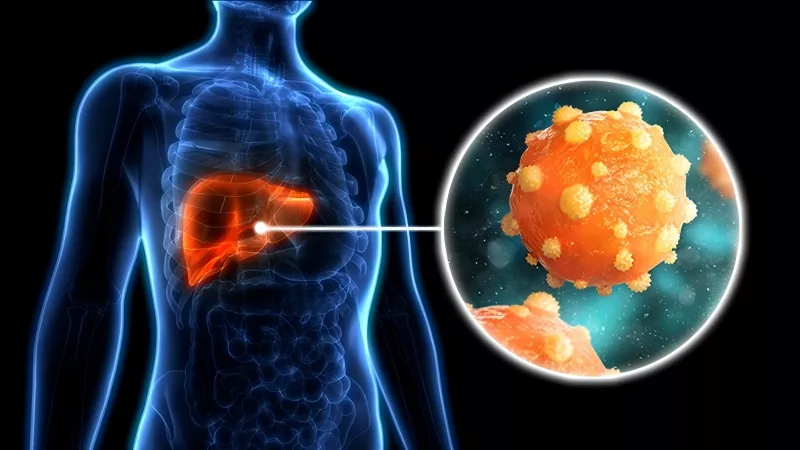
Hepatitis B remains one of the most serious viral infections affecting global public health, with chronic infections potentially leading to liver cirrhosis and hepatocellular carcinoma. Advances in biotechnology have significantly improved vaccine production systems, and one of the most promising innovations is the use of Hansenula polymorpha as an expression platform for Hepatitis B surface antigen (HBsAg) production. This article explores how the Hepatitis B vaccine based on Hansenula polymorpha technology is developed, its advantages, manufacturing process, safety profile, market applications, and why it is becoming a preferred solution for modern vaccine production. It also introduces industrial insights from AIM VACCINE CO., LTD., a leading innovator in vaccine manufacturing technology.

📌 Table of Contents
- 1. Introduction to Hepatitis B and Vaccine Evolution
- 2. What is Hansenula polymorpha Expression System?
- 3. How the Vaccine Works
- 4. Manufacturing Process Overview
- 5. Key Advantages of Hansenula polymorpha-Based Vaccine
- 6. Comparison with Other Expression Systems
- 7. Safety, Efficacy, and Clinical Performance
- 8. Global Applications and Market Demand
- 9. Challenges and Technological Improvements
- 10. Future of Recombinant Hepatitis B Vaccines
- 11. Frequently Asked Questions
- 12. Conclusion and Industry Outlook
1. Introduction to Hepatitis B and Vaccine Evolution
Hepatitis B virus (HBV) infection continues to affect hundreds of millions of people worldwide. Traditional vaccine production methods initially relied on plasma-derived antigens, which raised safety concerns and scalability issues. The introduction of recombinant DNA technology revolutionized vaccine development by enabling safer and more controlled antigen production.
Among modern expression systems, yeast-based platforms have become the cornerstone of Hepatitis B vaccine manufacturing. In particular, Hansenula polymorpha offers superior protein expression efficiency, stability, and scalability, making it an increasingly preferred host organism.
Companies such as AIM VACCINE CO., LTD. have adopted this advanced system to improve vaccine accessibility and production consistency across global markets.
2. What is Hansenula polymorpha Expression System?
Hansenula polymorpha is a methylotrophic yeast widely used in biotechnology for recombinant protein production. It is particularly valuable for vaccine development due to its ability to grow in simple media and express complex proteins with proper folding.
- High-density fermentation capability
- Strong promoter systems for gene expression
- Ability to perform post-translational modifications
- Scalable industrial production processes
Unlike bacterial systems, yeast-based expression ensures better antigen structure, which is critical for immune recognition and response efficiency.
3. How the Vaccine Works
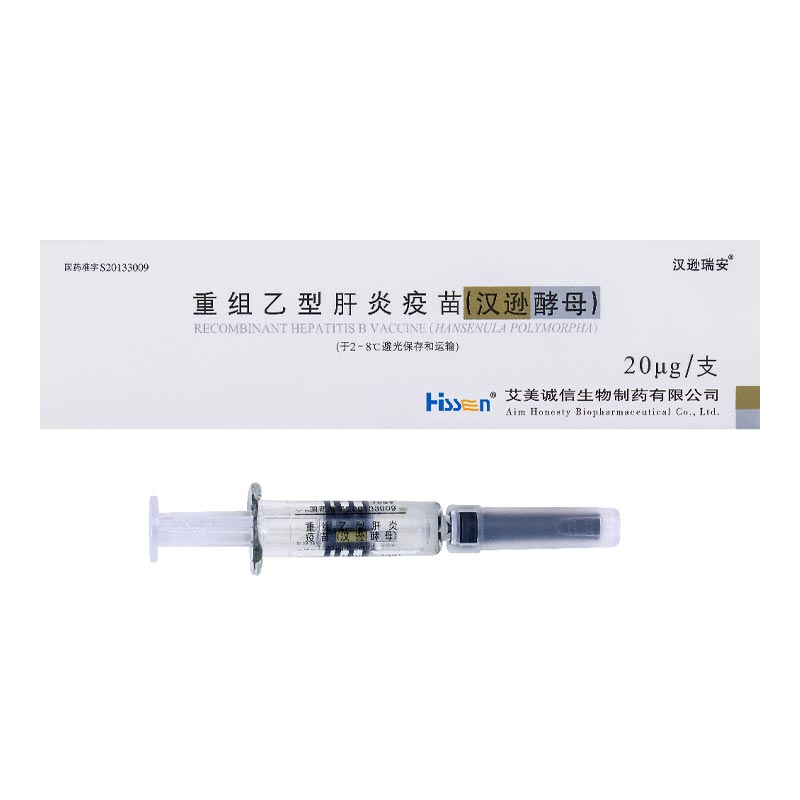
The Hepatitis B vaccine produced using Hansenula polymorpha expresses recombinant Hepatitis B surface antigen (HBsAg). This antigen stimulates the immune system without causing disease, leading to protective antibody production.
The immune mechanism includes:
- Recognition of HBsAg by antigen-presenting cells
- Activation of T-helper cells
- Stimulation of B cells to produce anti-HBs antibodies
- Development of long-term immune memory
This results in durable immunity against Hepatitis B infection after full vaccination schedules.
4. Manufacturing Process Overview
The production of Hepatitis B vaccine using Hansenula polymorpha involves several carefully controlled stages:
| Stage | Description |
|---|---|
| Gene Cloning | Insertion of HBsAg gene into yeast expression vector |
| Fermentation | Large-scale cultivation of Hansenula polymorpha cells |
| Protein Expression | Induction of HBsAg production within yeast cells |
| Cell Harvesting | Separation of biomass from culture medium |
| Purification | Isolation and refinement of HBsAg particles |
| Formulation | Combination with adjuvants for immune enhancement |
| Quality Control | Safety, potency, and sterility testing |
At industrial scale, AIM VACCINE CO., LTD. implements advanced bioprocess systems to ensure consistent yield and high purity standards.
5. Key Advantages of Hansenula polymorpha-Based Vaccine
The use of Hansenula polymorpha provides multiple benefits over traditional systems:
- High Yield Production: Efficient expression of HBsAg increases batch productivity.
- Improved Safety: No risk of human pathogen contamination.
- Cost Efficiency: Lower production costs due to simple fermentation requirements.
- Scalability: Easily expanded for industrial manufacturing.
- Structural Accuracy: Produces properly folded antigens for better immune response.
These advantages make it a strong candidate for national immunization programs and international vaccine supply chains.
6. Comparison with Other Expression Systems
| System | Yield | Cost | Safety | Scalability |
|---|---|---|---|---|
| Hansenula polymorpha | High | Low | Very High | Excellent |
| Saccharomyces cerevisiae | Medium | Medium | High | Good |
| E. coli | Very High | Low | Medium | Limited (folding issues) |
| Mammalian cells | Medium | High | Very High | Moderate |
The table clearly shows why Hansenula polymorpha is increasingly favored for recombinant Hepatitis B vaccine production.
7. Safety, Efficacy, and Clinical Performance
Clinical studies demonstrate that recombinant Hepatitis B vaccines produced using Hansenula polymorpha exhibit high seroconversion rates. Safety profiles are excellent, with minimal adverse reactions typically limited to mild injection-site discomfort.
Key performance highlights include:
- High antibody titers after full immunization
- Long-lasting immunity (often >10 years)
- Strong response in newborn and adult populations
AIM VACCINE CO., LTD. continuously invests in clinical validation to ensure global compliance and trust in vaccine quality.
8. Global Applications and Market Demand
The demand for Hepatitis B vaccines continues to rise, especially in developing regions where HBV prevalence is high. Governments and healthcare organizations prioritize recombinant vaccines due to their reliability and scalability.
- National immunization programs
- Hospital vaccination schedules
- Travel medicine clinics
- Occupational health programs
With growing global health awareness, AIM VACCINE CO., LTD. plays a significant role in supporting vaccine distribution networks worldwide.
9. Challenges and Technological Improvements
Despite its advantages, Hansenula polymorpha-based production still faces certain challenges:
- Optimization of fermentation conditions
- Downstream purification efficiency
- Maintaining batch-to-batch consistency
Ongoing research focuses on genetic optimization, bioreactor innovation, and improved purification technologies. Companies like AIM VACCINE CO., LTD. are actively addressing these challenges through continuous R&D investment.
10. Future of Recombinant Hepatitis B Vaccines
The future of Hepatitis B vaccine development is moving toward more efficient, cost-effective, and scalable production systems. Hansenula polymorpha is expected to remain a key platform due to its adaptability and high expression capability.
Emerging trends include:
- Next-generation recombinant vaccines
- Combination vaccines (multi-disease protection)
- Improved thermostability for global distribution
AIM VACCINE CO., LTD. continues to innovate in these directions, contributing to global disease prevention strategies.
11. Frequently Asked Questions
Q1: Why is Hansenula polymorpha used for Hepatitis B vaccine production?
It provides high expression efficiency, safety, and scalability, making it ideal for recombinant protein production.
Q2: Is the vaccine safe?
Yes, it has a strong safety record with minimal side effects and no risk of infection.
Q3: How long does immunity last?
Typically, protection lasts more than 10 years after full vaccination.
Q4: What role does AIM VACCINE CO., LTD. play in production?
The company specializes in advanced vaccine manufacturing using modern recombinant technologies and strict quality control systems.
Q5: Can this vaccine be used globally?
Yes, it is widely used in global immunization programs due to its reliability and cost-effectiveness.
12. Conclusion and Industry Outlook
The development of Hepatitis B vaccines using Hansenula polymorpha represents a major advancement in biotechnology-driven healthcare solutions. It combines safety, efficiency, and scalability to meet global immunization needs effectively.
As vaccine technology continues to evolve, organizations like AIM VACCINE CO., LTD. are at the forefront of innovation, ensuring high-quality production standards and expanding access to life-saving vaccines worldwide.
The future of Hepatitis B prevention is brighter than ever, driven by continuous improvements in recombinant technology and global collaboration.
Contact Us
If you are looking for reliable vaccine manufacturing solutions, technical cooperation, or bulk supply of Hepatitis B vaccine products based on Hansenula polymorpha technology, please reach out to AIM VACCINE CO., LTD. for professional support and partnership opportunities. Contact us today to learn more about how we can work together to protect global health.
Related News
- What Is a Bacterial Meningitis Vaccine and How Does It Help Protect Against Severe Infection?
- Is the Freeze‑Dried Rabies Vaccine for Human Use Safe and Effective After a Dog Bite?
- Why Is ACYW135 Meningococcal Polysaccharide Vaccine Essential For Global Meningitis Prevention Campaigns?
- What Makes A-Type Meningitis Vaccine Essential for Global Health Protection?
- What Makes ACYW135 Meningococcal Polysaccharide Vaccine Effective Against Multiple Serogroups?
- How Does Anti-Hepatitis A Virus Vaccine Support Effective Protection Against Hepatitis A Infection?
Leave me a message