
Products
China Hepatitis A Virus Vaccine For Routine Immunization Programs Manufacturer, Supplier, Factory
AIM Honesty Biopharmaceutical Co., Ltd., a China manufacturer specializing in human-use vaccines, supplies Hepatitis A Virus Vaccine For Routine Immunization Programs to public health agencies, vaccine distributors and ministries of health. The product is manufactured in a GMP-certified facility under the AIM Vaccine Group, using the KMB17 human diploid cell substrate and the Lv-8 strain that have both been validated through decades of research and real-world use. Because routine immunization programs operate on fixed calendars and predictable volumes, this vaccine is designed around consistent batch supply, stable antigen content and documentation that supports tender submission and import registration.
Why Routine Immunization Needs a Stable HAV Vaccine
Routine immunization programs operate on fixed calendars, fixed volume commitments and long planning cycles. A health authority that commits to hepatitis A vaccination expects the same product to remain available, consistent in antigen content and dependable in cold chain handling across every re-order. For the person making the buying decision, the real question is not whether a vaccine exists, but whether the supplier can sustain quality across the full term of the program. This is why supply stability, dose standardization and documentation readiness tend to outweigh promotional claims in procurement review.
Buyers evaluating a hepatitis A vaccine for routine use typically weigh the following factors before committing to a tender or a framework agreement.
1. Supply continuity: a manufacturer with a dedicated cell factory, validated virus seed bank and scalable bulk process can support repeated re-orders over the program term without changing the formulation.
2. Dose standardization: pediatric and adult strengths are expressed in defined antigen units, which gives program planners a clear basis for forecasting volume and scheduling production.
3. Regulatory readiness: a product with an approved registration and a documented batch release process shortens the administrative path during import and tender review.
Where This Vaccine Fits in National Schedules
Hepatitis A Virus Vaccine For Routine Immunization Programs is produced in two strengths so that a program can order the correct presentation for each age bracket and execute the same primary-plus-booster schedule across its target population. The separation between pediatric and adult formulations removes guesswork at the point of administration and supports consistent program delivery.
| Age group | Presentation | Single dose | Antigen content | Schedule |
| 1–15 years (including 15) | Vial / syringe | 0.5 mL | 320 EU | Primary dose + 0.5 mL booster after 6 months |
| Over 15 years | Pre-filled syringe | 1.0 mL | 640 EU | Primary dose + 1.0 mL booster after 6 months |
Intramuscular injection is given at the deltoid muscle attachment on the upper arm. Because the schedule is identical across age groups apart from dose volume, training for health workers stays simple, and stock management can be aligned to two clear product codes.
Inactivated vs Live Attenuated: A Procurement View
When a program compares vaccine platforms, the difference between an inactivated product and a live attenuated product affects several practical decisions, from target population to handling procedures. The table below summarizes the points a buyer typically reviews.
| Dimension | Inactivated (this product) | Live attenuated |
| Virus state | Virus fully inactivated by formaldehyde; no replication | Attenuated live virus retains limited replication |
| Reversion concern | No reversion to virulent form | Lower, but reversion tracked through field monitoring |
| Population handling | Broader age coverage; contraindication review kept simple | Restricted for certain immune status; policy dependent |
| Cold chain | Strict refrigerated handling; freeze avoidance required | Similar temperature sensitivity |
| Program planning | Fixed two-dose schedule, clear antigen units | Schedule depends on product and local guidelines |
For routine immunization, the inactivated platform is often easier to integrate where broad age coverage and straightforward contraindication handling are priorities. Final choice should follow the local immunization policy and the assessment of the responsible health authority, as vaccine selection sits with national regulators rather than with the supplier.
Cold Chain and Storage for National Programs
A routine program reaches hundreds of clinics, so for Hepatitis A Virus Vaccine For Routine Immunization Programs, temperature management must work at every point in the distribution network. The vaccine must remain within the specified refrigerated range during storage and transport, and freezing must be avoided, because freezing can damage the antigen and compromise the immunogenicity of the delivered batch.
1. Storage practice: keep the product in the recommended temperature band and protect it from light and freeze events across storage sites.
2. Transport design: use validated cold chain packaging and monitoring for sea and air shipment to limit temperature deviation during transit.
3. Distribution planning: align delivery volumes with clinic schedules so that cold chain duration stays short and wastage stays low.
Buyers planning a national rollout can consult our logistics team on packaging configuration, monitoring options and shipping routes, so that the cold chain plan matches the actual distribution footprint.
Procurement Support and Documentation
Routine programs are usually awarded through tenders or long-term supply agreements, and the winning bid needs to be supported by complete, consistent documentation. Hepatitis A Virus Vaccine For Routine Immunization Programs is supplied with the paperwork that import and program review commonly require.
1. Quality documents: batch release certificates and quality records for each commercial batch help importers and regulators confirm product integrity.
2. Registration support: the manufacturing plant holds GMP certification, and the adult presentation holds NMPA registration S20153002, which can support registration-related review in importing markets.
3. Shipping paperwork: commercial invoices, packing lists and customs documents are prepared to align with the destination country requirements.
Our international team coordinates cold chain partners and can discuss packaging, minimum order quantity and delivery lead time for program-scale volumes.
Regulatory Compliance and Batch Quality
The product is produced under GMP conditions within a facility operated by the AIM Vaccine Group, which maintains independent research institutes and R&D centers. Regulatory and batch quality control follows the same disciplined path as the wider vaccine portfolio: raw material verification, in-process testing at each production step and full release testing before any batch is cleared for shipment.
For Hepatitis A Virus Vaccine For Routine Immunization Programs, quality control covers antigen content, sterility, residual formaldehyde and safety indicators on each batch. Post-market surveillance is maintained so that adverse event information is collected and reviewed after distribution. This documentation base is part of what lets a routine program rely on repeat orders without repeating qualification work every time.
Frequently Asked Questions
Q: What age groups can be covered by a routine hepatitis A schedule using this vaccine?
A: The vaccine is produced in two strengths. Recipients aged 1 to 15 years, including those exactly 15, use the pediatric presentation of 0.5 mL containing 320 EU. Individuals over 15 years use the adult presentation of 1.0 mL containing 640 EU. Both follow a primary dose plus a booster six months later. Recipients with severe allergic reactions to any vaccine component should not be vaccinated, and health staff should review medical history before injection.
Q: How is the two-dose schedule structured?
A: One primary dose is given first, followed by a booster dose six months after the first injection. The booster strengthens the long-term antibody response. The same interval applies to both pediatric and adult presentations, which keeps health worker training simple and stock planning predictable.
Q: What cold chain conditions must be maintained?
A: The vaccine must be stored and transported within the specified refrigerated range, and freezing must be avoided because frozen antigen can lose potency. Cold chain monitoring is needed across storage sites and during transport so the delivered batch retains its quality.
Q: Can the vaccine support large national procurement?
A: Yes. The GMP-certified plant and validated bulk process can handle program-scale volumes, and the documentation set, including batch release certificates and GMP certification, supports tender and import registration review. Our international team can align packaging and delivery with a national rollout plan.
Q: Why choose an inactivated product for routine use?
A: The inactivated platform carries no live replicating virus, which simplifies contraindication review for broader population coverage and removes reversion-related concerns during long distribution. The two-dose schedule and clear antigen units make program planning direct. Selection should follow the local immunization policy.
Q: What documentation is provided with commercial batches?
A: Each commercial batch is supplied with quality documents such as batch release certificates and quality records, along with shipping paperwork. These support import review and program audits. Details of documentation packages can be confirmed with our international sales team.
A routine immunization program succeeds through repeatability: the same vaccine, the same dose, the same documentation, available at every re-order. Hepatitis A Virus Vaccine For Routine Immunization Programs is built around that requirement, combining a validated human diploid cell process, clear pediatric and adult strengths, and a GMP-based quality and documentation system. Buyers planning a multi-year program can treat this product as a supply decision as much as a clinical choice, and our team is ready to align packaging, documentation and cold chain logistics with the scale of the rollout.

Structure of hepatitis A virus


Related Products




Hot Products
Viral Hepatitis Vaccine
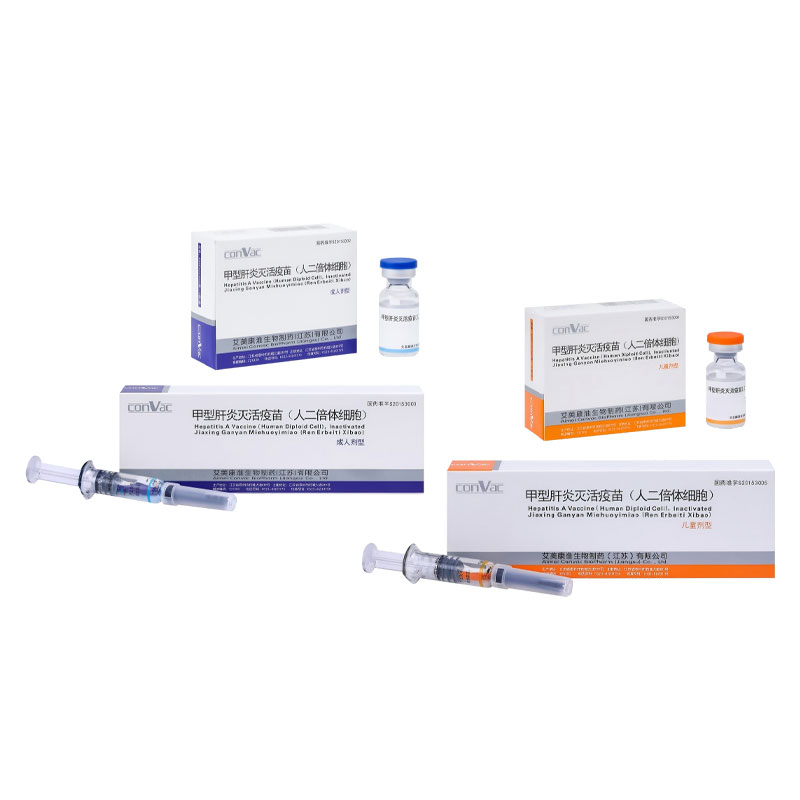
The viral hepatitis vaccine is a product of AIM Action Biopharmaceuticals Co., Ltd. We are a manufacturer with R&D capabilities, specializing in providing advanced inactivated hepatitis A vaccines. Utilizing human diploid cell culture technology, this vaccine has become an important tool for preventing viral hepatitis (type A) in global and domestic public health systems due to its high safety, strong protection, and long-lasting effects.
Hepatitis B Vaccine
Welcome to choose AIM Honesty Biopharmaceutical Co., Ltd. from China as your Hepatitis B Vaccine supplier. Our vaccines are safe and effective, utilizing a domestically pioneered and internationally leading recombinant Pichia pastoris expression technology platform and patented adjuvant technology. They are suitable for infants, children, and adults.
Human Diploid Hepatitis A Vaccine
If you are looking for a manufacturer that can provide a stable, long-term supply of Human Diploid Hepatitis A Vaccine, you can choose AIM Action Biopharmaceutical Co., Ltd. from China. We produce vaccines using internationally recognized safe human diploid cells (KMB17) as the culture medium, eliminating the potential risk of viral contamination and tumorigenicity associated with animal-derived cells, resulting in a purer and safer product.
Children Hepatitis A Vaccine
Looking for a reliable manufacturer and supplier of Children Hepatitis A Vaccine? Consider AIM Action Biopharmaceutical Co., Ltd. We have our own R&D and manufacturing facilities. This vaccine is designed for the delicate constitution and rapidly developing immune system of children, providing a 0.5ml child-specific dose (containing 320 EU of Hepatitis A virus), striking a balance between safety and effective response.
Booster Shot of Hepatitis B Vaccine
AIM Honesty Biopharmaceutical Co., Ltd. is a professional manufacturer and supplier of Booster Shot of Hepatitis B Vaccine. In addition to hepatitis B vaccines, we also provide hepatitis A vaccines, rabies vaccines, and more. We are a reliable partner with comprehensive R&D capabilities. Our vaccines utilize advanced technology and are safe and effective.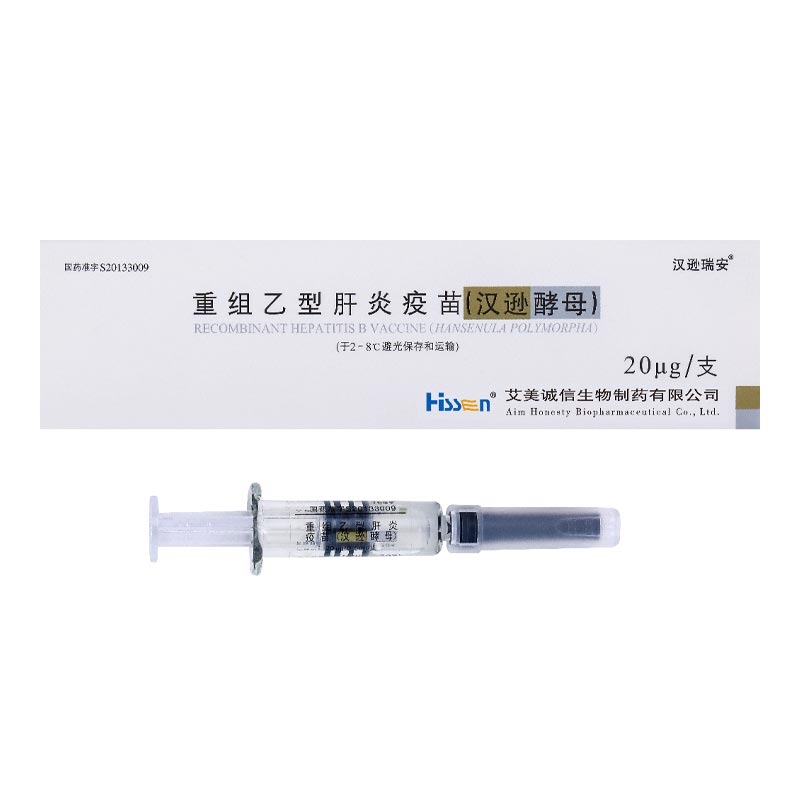
Liver Cancer Prevention Vaccine
The Liver Cancer Prevention Vaccine is one of the products offered by AIM Honesty Biopharmaceutical Co., Ltd. We are a supplier with comprehensive R&D capabilities, and through cooperation with us, you can obtain advanced and highly effective vaccine products for the control of hepatitis infectious diseases and even more serious liver cancer through economical and effective immunization methods.
- Related Blog
- Reviews
