
Products
Rabies Immunization Solution For Cat Scratches And Bites
In global public health emergency prevention, cat-related trauma including scratches and minor bites has long been a major overlooked source of rabies virus transmission. Unlike concentrated high-risk dog bite cases, cat exposure incidents feature scattered occurrence, shallow wounds, invisible virus residues and low public awareness, leading to a large number of missed immunization opportunities every year. AIM Honor (Ningbo) Biopharmaceutical Co., Ltd. launches a systematic Rabies Immunization Solution For Cat Scratches And Bites, covering full-range wound assessment, standardized disinfection procedures, multi-version vaccine selection, personalized vaccination scheduling and post-immunization follow-up services. This integrated solution is tailor-made for comprehensive feline exposure prevention, effectively solving various pain points in traditional fragmented prevention modes and providing full-set standardized medical solutions for global clinics, community health centers, animal rescue organizations and large-scale public health emergency projects.

Overview of Integrated Rabies Immunization System for Feline Exposure
Many medical institutions only provide single vaccine inoculation services when handling cat injury cases, ignoring the importance of pre-vaccination risk evaluation and wound management. Our Rabies Immunization Solution For Cat Scratches And Bites is built as a complete set of prevention system instead of a standalone vaccine product. The whole system is designed based on WHO rabies prevention guidelines and fully adapted to the wound characteristics generated by cat scratches and bites.
1. Multi-level exposure risk grading framework:
The system supports rapid classification of Category II and Category III exposure caused by cats. Clinicians can match corresponding intervention standards according to wound depth, bleeding status and contact mode of cat saliva, avoiding over-treatment or insufficient prevention.
2. Dual-vaccine product portfolio:
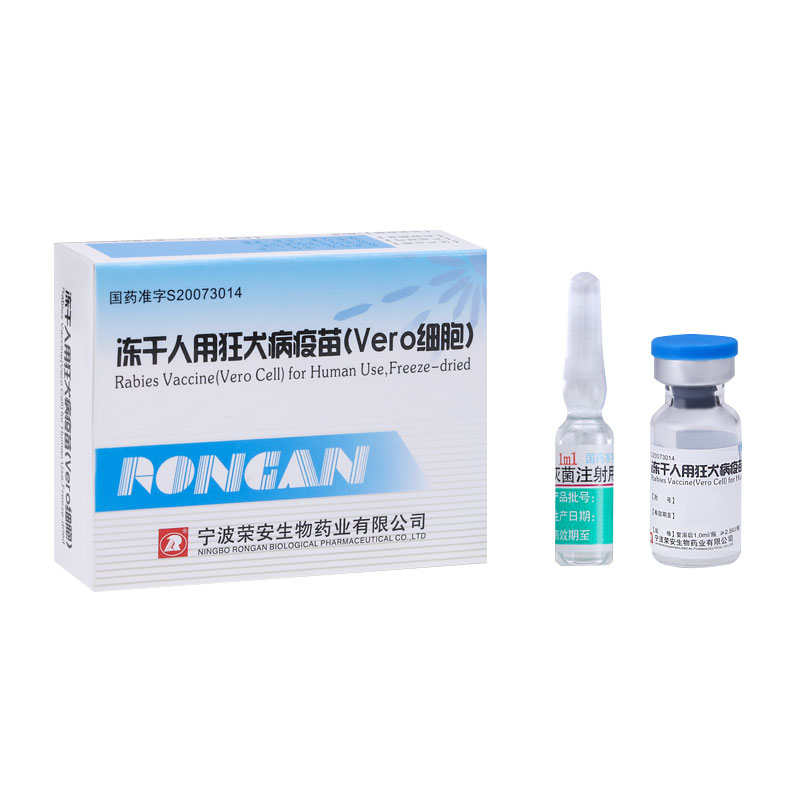
Conventional Vero cell inactivated rabies vaccine and advanced serum-free Vero cell vaccine are available within the solution. Medical practitioners can select suitable formulations according to patient physical conditions, allergy history and institutional procurement standards.
3. Compatible flexible immunization schedules:
Both classic 5-dose scheme and simplified 4-dose scheme are supported. The adjustable schedule improves patient compliance without weakening the final protective antibody level.
4. Post-vaccination immune monitoring mechanism:
The matched solution supports antibody titer testing for high-risk groups. When antibody concentration falls below the protective threshold, targeted booster vaccination suggestions can be issued in time.
Every link in the system is mutually connected. Only by implementing standardized procedures from wound disposal to immune monitoring can the maximum anti-rabies effect be achieved for cat scratch and bite victims.
Different Hazards Between Cat Scratch Injuries and Cat Bite Wounds
It is common practice in many primary medical facilities to treat cat scratches and cat bites with identical prevention strategies. In fact, there are obvious differences in transmission pathways, virus load and complication risks between the two types of wounds, which requires differentiated immunization arrangements.
1. Cat scratch exposure characteristics:
Scratches usually form shallow epidermal abrasions. Virus comes from saliva remaining on cat claws during grooming. The virus load is relatively low, yet invisible micro-cracks on skin still enable virus invasion. Most scratch cases are categorized as WHO Category II exposure.
2. Cat bite exposure characteristics:
Bite wounds form deep puncture injuries. Cats’ sharp teeth can deliver saliva carrying rabies virus deep into subcutaneous tissue. Higher virus load increases infection probability, and most bleeding bites belong to Category III exposure requiring combined immunoglobulin injection.
3. Differentiated secondary infection risks:
Scratches are more likely to trigger Bartonella infection and cause lymphadenopathy. Deep bite wounds tend to form anaerobic sealed spaces, which easily lead to suppurative bacterial infection if not cleaned thoroughly.
4. Variation of incubation period risks:
Deep bite wounds may lead to relatively shorter incubation cycles. Clinicians need to arrange vaccination immediately rather than delaying observation, regardless of whether the cat looks healthy.
The Rabies Immunization Solution For Cat Scratches And Bites contains differentiated operation guidelines for both injury types, helping medical staff implement targeted prevention plans efficiently.
Standard Step-by-Step Implementation Protocol of the Immunization Solution
The execution sequence directly determines the success rate of rabies prevention. The integrated solution defines unified operational steps applicable to all cat-related exposure cases. All procedures can be carried out in outpatient clinics, community medical stations and temporary emergency rescue sites.
1. On-site wound cleaning and flushing:
Continuous washing with soap and running water for a minimum of 15 minutes. The physical flushing can remove most surface virus and bacteria before formal medical treatment.
2. Medical disinfection and wound management:
Iodophor is recommended for disinfection after cleaning. Sealed suturing and tight bandaging are prohibited for fresh cat bite wounds to prevent bacterial proliferation inside closed wounds.
3. Rapid exposure risk assessment:
Determine Category II or Category III exposure based on wound bleeding, depth and mucosal contact status to confirm whether additional rabies immunoglobulin is necessary.
4. Implementation of vaccination program:
Start the first dose of vaccine as soon as possible. Follow the confirmed immunization schedule and complete all planned shots without arbitrary interruption.
5. Follow-up observation and adverse reaction tracking:
Record local swelling, fever and other reactions after injection. Guide patients to return for antibody testing if they belong to long-term high-risk occupational groups.
Important reminder: Vaccination cannot replace wound treatment. Even if high-quality vaccines are used, incomplete wound cleaning will significantly increase prevention failure risks.
Product Technical Parameters Included in the Immunization Package
Two vaccine variants constitute the core of our Rabies Immunization Solution For Cat Scratches And Bites. All technical indicators comply with WHO standards for biological preparations and support overseas registration submission and institutional bidding projects.
1. Conventional Vero cell rabies vaccine:
Adopts mature aG virus strain and traditional Vero cell culture technology. It presents stable immune efficacy and cost advantages, suitable for large-scale immunization projects and public health institutions with limited budgets.
2. Serum-free Vero cell rabies vaccine:
Uses PV-2061 strain and eliminates bovine serum raw materials entirely. It greatly reduces the risk of allergic reactions and is preferred for children, pregnant women and patients with known protein allergies.
3. Universal immune efficacy benchmark:
Both vaccine versions achieve 100% seroconversion on the 14th day after initial injection, with antibody titer exceeding the 0.5 IU/ml minimum protection standard specified by WHO.
| Technical Index | Conventional Vero Cell Vaccine | Serum-Free Vero Cell Vaccine |
| Virus Strain | aG indigenous strain | PV-2061 strain |
| Bovine Serum Content | ≤10ng per single dose | Zero bovine serum residue |
| Preservative Addition | No preservatives | No preservatives |
| Storage Environment | 2℃ – 8℃, light avoidance | 2℃ – 8℃, light avoidance |
| Suitable Scenarios | General population, mass immunization | Sensitive groups, high-standard private clinics |
Purchasers can choose single-variant orders or mixed procurement of two vaccines according to the crowd structure and service positioning of medical institutions.
Core Competitive Advantages for Global Medical Procurement Partners
Numerous suppliers provide separate rabies vaccines on the international market, yet integrated prevention solutions targeting cat scratches and bites remain scarce. Our systematic immunization program brings multiple practical advantages for distributors and medical service providers.
1. Integrated one-stop prevention framework:
Not limited to vaccine supply. We provide supporting exposure assessment guidelines, wound operation specifications and patient education materials, helping medical institutions build standardized feline exposure emergency service systems rapidly.
2. Balanced safety performance for diverse crowds:
Two vaccine options cover ordinary patients and sensitive vulnerable groups. Clinicians can make flexible selections to lower adverse event risks during clinical practice.
3. Stable batch consistency under GMP production:
The whole manufacturing process implements strict quality control. Continuous stable qualification rate ensures consistent vaccine quality for long-term cross-border supply and repeated bulk orders.
4. Complete document support for overseas market access:
Batch release certificates, product specification files, test reports and other qualification materials can be provided to assist buyers in customs clearance, local registration and public tender procedures.
This complete immunization solution creates differentiated service competitiveness for medical operators, different from competitors that merely supply single vaccine products.
Applicable Immunization Timetables for Cat Scratch and Bite Victims
The Rabies Immunization Solution For Cat Scratches And Bites supports multiple internationally recognized vaccination schedules. Medical staff can select appropriate plans according to local health authority specifications and patient cooperation conditions.
1. Standard 5-dose pre-exposure & post-exposure schedule:
Injection on Day 0, Day 3, Day 7, Day 14 and Day 28. Widely accepted globally and applicable for all Category II and Category III cat exposure cases.
2. Simplified 4-dose accelerated scheme:
Only available for serum-free vaccine variants. It reduces injection frequency effectively and improves compliance among busy adult patients without sacrificing immune protection effect.
3. Booster scheme for occupational high-risk populations:
Veterinarians, animal rescue staff and cat shelter workers can receive antibody testing after full vaccination. Booster shots are recommended once antibody levels drop below the protective threshold.
4. Guidance for delayed vaccination:
If patients miss scheduled injection dates, follow medical adjustment guidelines in the solution to complete subsequent inoculation rather than restarting the whole vaccination cycle blindly.
Production System & Global Cold Chain Supply Guarantee
Sufficient stable production capacity and reliable low-temperature logistics are the foundation for continuous supply of immunization solutions to overseas markets. AIM Honor (Ningbo) Biopharmaceutical maintains standardized sterile biopharmaceutical production bases and mature cross-border delivery experience.
1. Closed dust-free sterile production workshops:
Constant temperature and humidity environments with air purification systems avoid microbial contamination during vaccine production. Real-time environmental parameter monitoring is implemented 24 hours every day.
2. Multi-link finished product inspection system:
Raw material verification, semi-finished product testing and final finished inspection are carried out independently. Any unqualified batches will be eliminated before packaging and shipment.
3. Professional 2–8℃ cold chain logistics scheme:
We provide standardized cold chain packaging suggestions and transportation guidance for international shipments to prevent vaccine activity attenuation during long-distance sea and air transport.
4. Sustainable mass production capacity:
Stable annual output supports long-term framework cooperation, periodic bulk replenishment and emergency temporary orders from global pharmaceutical distributors.
FAQ
Below are frequently raised questions from outpatient doctors, animal shelter managers and international bulk purchasers regarding this systematic immunization solution.
Q1: Is vaccination mandatory for minor scratches without bleeding from domestic cats?
A1: Medical evaluation is strongly recommended. Non-bleeding scratches belong to Category II exposure. Micro skin cracks allow rabies virus invasion. Complete vaccination after standardized wound cleaning is the safest prevention choice.
Q2: What is the difference between this solution and buying rabies vaccine separately?
A2: This is a complete set of systematic prevention scheme. Apart from vaccine supply, it contains wound management guidelines, exposure classification standards and clinical reference documents, helping medical institutions form standardized emergency service procedures.
Q3: Can pregnant women and infants receive vaccines included in this immunization solution?
A3: Yes. The vaccines are whole-virus inactivated preparations without live virus. Under professional medical supervision, both conventional and serum-free variants can be used for pregnant women and young children exposed to cat scratches or bites.
Q4: Can customized mixed batch supply of two vaccine versions be arranged?
A4: Mixed procurement is supported. Contact our sales team to confirm minimum order quantity, delivery schedule and supporting certification documents for customized orders.
Related Products




Hot Products

Hepatitis B Antibody
AIM Honesty Biopharmaceutical Co., Ltd. is a professional manufacturer and supplier of hepatitis B vaccines. Our independently developed RECVAX® recombinant hepatitis B vaccine (Pichia pastoris) utilizes a domestically pioneered and internationally leading recombinant Pichia pastoris expression technology platform and patented adjuvant technology, providing long-lasting protection by inducing the formation of Hepatitis B antibody in vaccinated individuals.
Yeast-derived Hepatitis B Vaccine
Welcome to choose AIM Honesty Biopharmaceutical Co., Ltd. as your long-term supplier. Our independently developed RECVAX® Yeast-derived Hepatitis B Vaccine, along with several other types of vaccines, utilizes industry-leading advanced technology, offering outstanding and long-lasting immune protection.
W-Type Meningitis Vaccine
If you need a reliable supplier of W-Type Meningitis Vaccine, consider AIM Persistence Biopharmaceutical Co., Ltd. We are a Chinese company that develops vaccines using advanced domestic and international technologies. Our Xin'er Cong® series is an upgraded vaccine developed to address the threat of multiple serotypes of meningococcal meningitis, including W-type. It effectively prevents infection from four serotypes of meningococcal bacteria: A, C, Y, and W135 (W-type).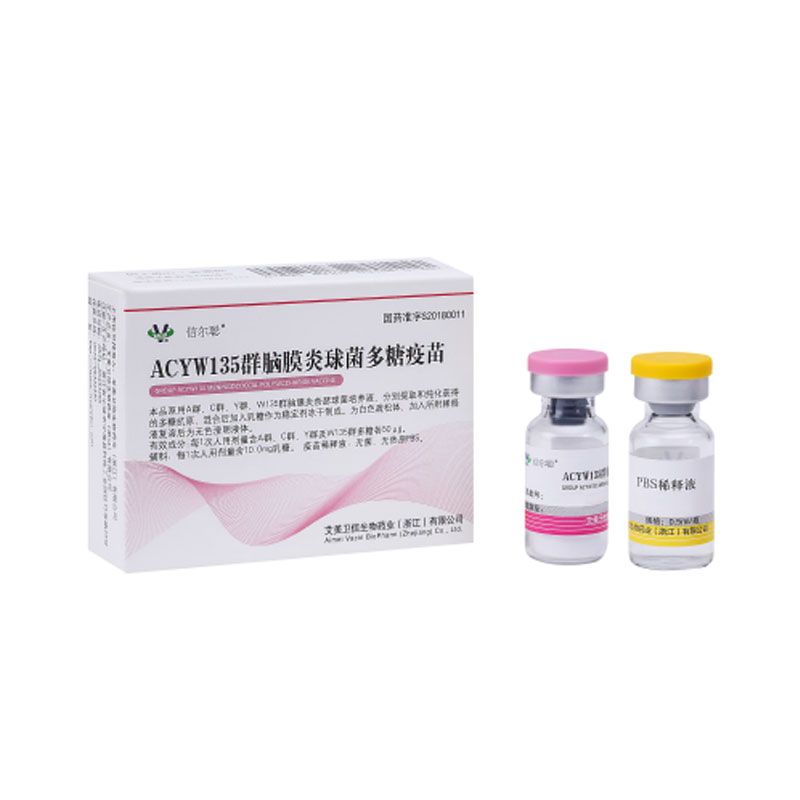
Vaccines for Hajj
AIM Persistence Biopharmaceutical Co., Ltd. is a meningitis vaccine supplier from China. We provide vaccines for Hajj, offering high safety, long shelf life, and not just monovalent or bivalent meningococcal vaccines, but quadrivalent meningococcal vaccines, providing comprehensive coverage and all-around protection.
Adult Meningitis Vaccine
AIM Persistence Biopharmaceutical Co., Ltd. is a professional vaccine manufacturer. We offer the Adult Meningitis Vaccine, a quadrivalent meningococcal polysaccharide vaccine, which is a crucial measure to help adults stay safe from the threat of meningitis. Our product is highly safe, has a long shelf life, and provides reliable immune protection.
Recombinant Hepatitis B Vaccine
AIM Honesty is a reliable manufacturer and supplier of Recombinant Hepatitis B Vaccine. With our strong R&D capabilities and stable supply chain, we are an ideal long-term partner. The vaccine offers strong protective effects, continuously releasing antigens after administration to provide longer-lasting protection and reduce the incidence of disease.
- Related Blog
- Reviews
