
Products
China Hepatitis A Vaccine For Active Immunization Against HAV Manufacturer, Supplier, Factory
Summary
Hepatitis A Vaccine For Active Immunization Against HAV from AIM Honesty Biopharmaceutical Co., Ltd., a China manufacturer, has maintained a 100% batch release pass rate for eight consecutive years. Its human diploid cell platform supports active immunization for children and adults through routine schedules.
AIM Action Biopharmaceutical Co., Ltd., part of the AIM Honesty Biopharmaceutical Co., Ltd. group, produces Hepatitis A Vaccine For Active Immunization Against HAV at its China-based factory. The product uses the KMB17 human diploid cell line as its culture substrate and the Lv-8 virus strain, both with documented origins and long records of use in vaccine manufacturing. It is an inactivated vaccine approved for market by China's National Medical Products Administration.
Product Basis
The KMB17 human diploid cell line was established by the Kunming Institute in 1974 and has been validated through more than four decades of use in high-end vaccine production, including rabies and varicella preparations. Human diploid cells eliminate risks tied to unknown animal pathogens and xenogeneic proteins.
The Lv-8 strain was isolated and screened by the Kunming Institute during the 1988 Shanghai hepatitis A outbreak, taken from a typical patient in Lüsi Town, Jiangsu Province. That outbreak affected more than 300,000 people within three months. The strain was selected for its short replication cycle, high virus yield, stable genetics, and reliable immunogenicity.
Production Steps
Production follows a fixed sequence designed to preserve antigenicity while removing replication capacity:
1. Culture the Lv-8 strain in KMB17 human diploid cells
2. Harvest the viral suspension and concentrate it through ultrafiltration
3. Purify using chromatography
4. Inactivate with formaldehyde solution to obtain the final antigen
Specifications
| Specification | Children's Dose | Adult Dose |
|---|---|---|
| Volume | 0.5ml per vial or syringe | 1.0ml per syringe |
| HAV Antigen Content | 320 EU | 640 EU |
| Target Age Group | 1-15 years (including 15) | Over 15 years |
| Primary Immunization | 0.5ml | 1.0ml |
| Booster (6 months later) | 0.5ml | 1.0ml |
| Administration Route | Intramuscular, deltoid | Intramuscular, deltoid |
Shake well before use and administer intramuscularly at the deltoid muscle attachment site on the outer side of the upper arm. For individuals aged 1-15 years, use the children's dosage. For those over 15 years, the adult dosage applies. The two-dose schedule supports long-term immune protection.
Option Comparison
Inactivated and live attenuated hepatitis A vaccines differ in ways that affect program planning and patient screening. The table below sets out the main points of comparison.
| Point of Comparison | Inactivated HAV Vaccine | Live Attenuated HAV Vaccine |
|---|---|---|
| Adverse reaction rate, 2016 (per 100,000 doses) | 1.6 | 1.87 |
| Adverse reaction rate, 2017 (per 100,000 doses) | 1.4 | 1.73 |
| Adverse reaction rate, 2018 (per 100,000 doses) | 1.39 | 2.6 |
| Use in immunocompromised individuals | No contraindication | Contraindicated |
| Interval when given with human immunoglobulin | 1 month | 3 months |
| Use during hepatitis A outbreaks | Permitted | Not recommended |
| Duration of protection | Over 25 years | 10 to 15 years |
| Earliest age for first dose | 12 months | 18 months |
| Primary usage markets | Widely used worldwide, WHO-recommended | Mainly China and India |
Inactivated vaccine adverse reaction rates remained below live attenuated rates across all three surveillance years, and the difference widened in 2018. The contraindication difference is relevant for programs serving patients with chronic liver disease or compromised immunity.
Protection Window
Clinical data for this product show a seroconversion rate similar to imported hepatitis A inactivated vaccines, with a geometric mean titer of antibody that is better than that of imported inactivated alternatives.
Antibodies induced by inactivated hepatitis A vaccines generally persist for more than 25 years, with some studies inferring protection beyond 40 years. Adults who receive a single dose show protection lasting 11 years. Live attenuated vaccines typically provide antibodies lasting 10 to 15 years. The longer protection window reduces the frequency of revaccination.
Quality Record
AIM Action Biopharmaceutical Co., Ltd. holds four approval document numbers for its inactivated hepatitis A vaccine: single vial for adults, single vial for children, pre-filled syringe for adults, and pre-filled syringe for children.
Since market launch, the inactivated hepatitis A vaccine has kept a 100% passing rate in batch release inspections conducted by the National Institutes for Food and Drug Control for eight consecutive years. In 2025, the company achieved annual sales exceeding RMB 100 million for its hepatitis A vaccine products.
The manufacturing facility operates under GMP certification and follows China's national pharmaceutical manufacturing quality management standards. Recognition includes Contract-Observing Trustworthy Enterprise and Top 10 Scientific and Technological Innovation Enterprises. AIM Vaccine Co., Ltd., the parent group, covers the full value chain from research and development to manufacturing and commercialization, with four licensed vaccine manufacturing facilities and commercialized products across six disease areas.
Practical Use
The vaccine is supplied as a liquid formulation. Pre-filled syringes require no reconstitution, which simplifies administration and reduces handling errors. Both vial and pre-filled syringe presentations are available.
The inactivated vaccine can be given from 12 months of age. The first dose provides adequate short-term protection, and the booster can follow at six months. Inactivated hepatitis A vaccine can be used during an outbreak, while live attenuated vaccine is not recommended for that purpose.
FAQ
Q: How does this vaccine differ from a live attenuated hepatitis A vaccine?
A: Inactivated vaccines contain no live virus particles and cannot replicate in cells, which results in a lower incidence of adverse reactions. Live attenuated vaccines contain weakened live virus with a potential risk of virulence reversion. Inactivated vaccines also carry fewer contraindications, are approved for immunocompromised individuals, and provide protection lasting more than 25 years compared to 10 to 15 years for live attenuated vaccines.
Q: What is the recommended dosing schedule?
A: The schedule involves two doses. A primary immunization is followed by a booster six months later. Children aged 1 to 15 years receive 0.5ml per dose, containing 320 EU of hepatitis A virus antigen. Adults over 15 years receive 1.0ml per dose, containing 640 EU of antigen. Administer intramuscularly at the deltoid muscle attachment site on the outer side of the upper arm, and shake well before use.
Q: Can it be given to immunocompromised patients?
A: Yes. Inactivated hepatitis A vaccines have no contraindication for people with immunodeficiency or impaired immune function. Live attenuated vaccines are contraindicated for this group, which makes the inactivated option the practical choice for clinics serving patients with chronic liver disease or compromised immunity.
Q: How long does immunity last after vaccination?
A: Antibodies induced by inactivated hepatitis A vaccines generally persist for more than 25 years, with some studies inferring protection beyond 40 years. Adults receiving a single dose show protection lasting 11 years, which supports use in traveler programs where the second dose may be delayed.
Q: Is the vaccine approved for use during an outbreak?
A: Yes. Unlike live attenuated vaccines, which are not recommended during hepatitis A outbreaks, inactivated hepatitis A vaccines carry no such restriction and can be deployed for outbreak response.
Q: Where is this vaccine manufactured?
A: AIM Honesty Biopharmaceutical Co., Ltd. is a China-based manufacturer. Production uses the KMB17 human diploid cell line and the Lv-8 virus strain, with facilities operating under GMP certification and China's national pharmaceutical manufacturing quality management standards.
Final Notes
Hepatitis A Vaccine For Active Immunization Against HAV from AIM Action Biopharmaceutical Co., Ltd. has a traceable strain origin, a validated cell substrate, eight consecutive years of 100% batch release pass rates, and safety figures that hold up against national surveillance data. Documentation for registration, samples, and technical support are available through the company's export channels.

Structure of hepatitis A virus


Related Products


Hot Products
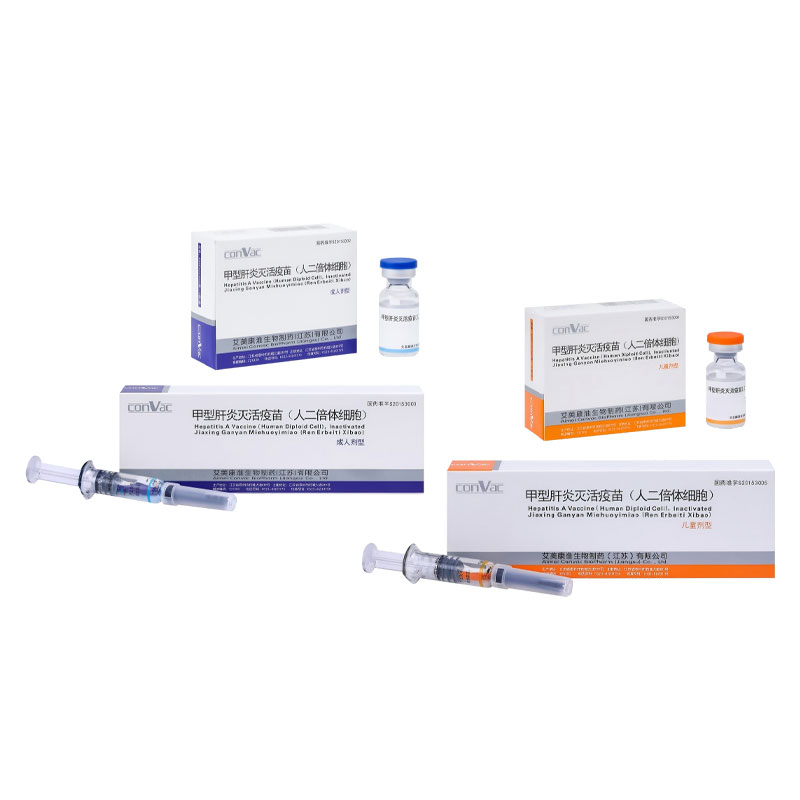
Viral Hepatitis Vaccine
The viral hepatitis vaccine is a product of AIM Action Biopharmaceuticals Co., Ltd. We are a manufacturer with R&D capabilities, specializing in providing advanced inactivated hepatitis A vaccines. Utilizing human diploid cell culture technology, this vaccine has become an important tool for preventing viral hepatitis (type A) in global and domestic public health systems due to its high safety, strong protection, and long-lasting effects.
Hepatitis B Vaccine
Welcome to choose AIM Honesty Biopharmaceutical Co., Ltd. from China as your Hepatitis B Vaccine supplier. Our vaccines are safe and effective, utilizing a domestically pioneered and internationally leading recombinant Pichia pastoris expression technology platform and patented adjuvant technology. They are suitable for infants, children, and adults.
Human Diploid Hepatitis A Vaccine
If you are looking for a manufacturer that can provide a stable, long-term supply of Human Diploid Hepatitis A Vaccine, you can choose AIM Action Biopharmaceutical Co., Ltd. from China. We produce vaccines using internationally recognized safe human diploid cells (KMB17) as the culture medium, eliminating the potential risk of viral contamination and tumorigenicity associated with animal-derived cells, resulting in a purer and safer product.
Children Hepatitis A Vaccine
Looking for a reliable manufacturer and supplier of Children Hepatitis A Vaccine? Consider AIM Action Biopharmaceutical Co., Ltd. We have our own R&D and manufacturing facilities. This vaccine is designed for the delicate constitution and rapidly developing immune system of children, providing a 0.5ml child-specific dose (containing 320 EU of Hepatitis A virus), striking a balance between safety and effective response.
Booster Shot of Hepatitis B Vaccine
AIM Honesty Biopharmaceutical Co., Ltd. is a professional manufacturer and supplier of Booster Shot of Hepatitis B Vaccine. In addition to hepatitis B vaccines, we also provide hepatitis A vaccines, rabies vaccines, and more. We are a reliable partner with comprehensive R&D capabilities. Our vaccines utilize advanced technology and are safe and effective.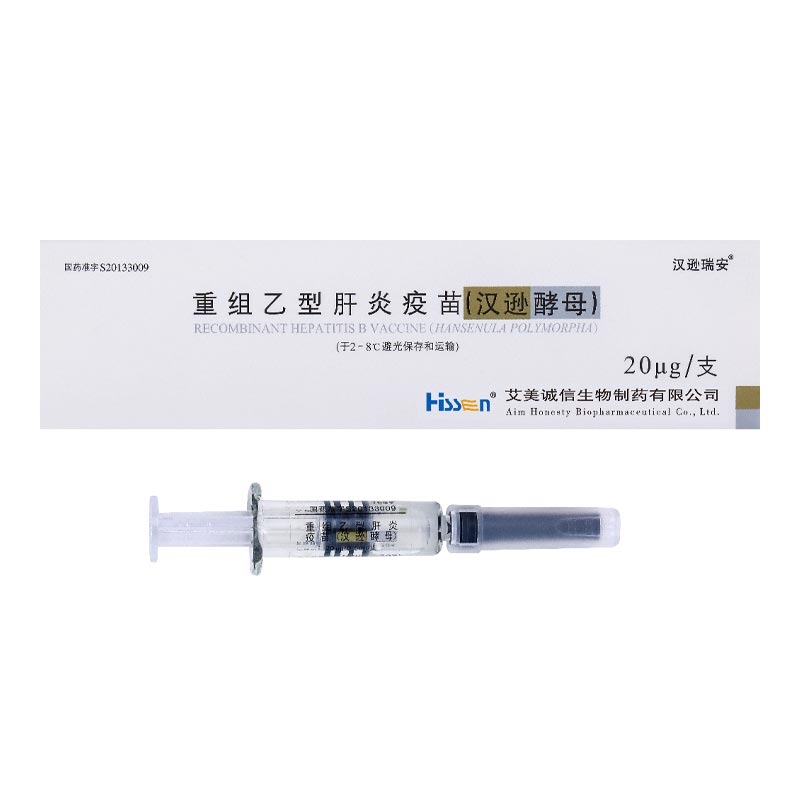
Liver Cancer Prevention Vaccine
The Liver Cancer Prevention Vaccine is one of the products offered by AIM Honesty Biopharmaceutical Co., Ltd. We are a supplier with comprehensive R&D capabilities, and through cooperation with us, you can obtain advanced and highly effective vaccine products for the control of hepatitis infectious diseases and even more serious liver cancer through economical and effective immunization methods.
- Related Blog
- Reviews
