
Products
China Post Exposure Rabies Vaccination After Cat Bite Incidents Manufacturer, Supplier, Factory
When a cat bite occurs, every minute counts. AIM Honor (Ningbo) Biopharmaceutical Co., Ltd., a reputable China supplier of human rabies biologics, delivers the Post Exposure Rabies Vaccination After Cat Bite Incidents – a complete immunization protocol that combines rapid wound management, precise exposure classification, and a proven vaccine regimen to stop rabies virus in its tracks. With a documented seroconversion rate of 100% by day 14, this solution provides the reliable post‑exposure protection that patients and clinicians depend on worldwide.

The Urgency of Intervention
The interval between a cat bite and the initiation of post‑exposure prophylaxis is the single most critical factor determining clinical outcome. Rabies virus travels along peripheral nerves at a rate of approximately 3‑12 mm per day, meaning that wounds on the head, neck, or hands have significantly less time before the virus reaches the central nervous system.
● First 24 Hours: The golden window for initiating the Post Exposure Rabies Vaccination After Cat Bite Incidents. Wound washing combined with the first vaccine dose can eliminate up to 90% of viral particles before they establish neural entry.
● Beyond 24 Hours: Vaccination is still mandatory and effective. There is no time limit as long as symptoms are absent – delaying does not negate the benefit, but every hour of delay increases theoretical risk.
● Why Speed Matters: The virus is not detectable in blood or saliva during the incubation period, making clinical suspicion the only trigger for action. Therefore, the Post Exposure Rabies Vaccination must be administered empirically based on the injury history alone, without waiting for laboratory confirmation.
In summary, urgency is not an overstatement – it is the cornerstone of successful rabies prevention. Healthcare providers are trained to treat every cat bite as a potential rabies exposure and initiate the vaccination protocol without hesitation.
Clinical Decision‑Making
Proper clinical judgment ensures that each patient receives the right level of intervention. The decision tree for post‑exposure rabies vaccination after cat bite incidents involves three key assessments.
1. Wound Characteristics: Depth, location, number of wounds, and presence of bleeding directly influence the WHO exposure category. Punctures from feline canine teeth often inoculate virus deep into muscle tissue, increasing the risk of Category III classification.
2. Animal Status: Although the cat’s health and vaccination history are considered, they are never decisive. Stray cats, free‑roaming pets, and even vaccinated domestic cats can carry the virus – the only definitive rule is to vaccinate unless the animal is confirmed rabies‑negative by laboratory testing.
3. Patient Factors: Age, immune status, pregnancy, and allergy history influence the choice between conventional and serum‑free vaccine formulations, as well as the decision to use rabies immunoglobulin for Category III exposures.
In practice, the clinical algorithm is straightforward: any cat bite with skin breakage triggers vaccination. The Post Exposure Rabies Vaccination is indicated for all such cases, with immunoglobulin added when bleeding or mucous membrane contact is present. This decision framework minimizes both under‑treatment and over‑treatment.
Step‑by‑Step Protocol
The post‑exposure rabies vaccination after cat bite incidents follows a sequential protocol that integrates local wound care, active immunization, and passive antibody administration when required. Each step is time‑sensitive and non‑negotiable.
● Step 1 – Immediate Wound Irrigation: Flush the wound with soapy water or clean running water for at least 15 minutes. This mechanical action physically removes virus particles and reduces the infectious dose. Disinfection with iodophor or 70% alcohol follows.
● Step 2 – First Vaccine Dose (Day 0): Administered intramuscularly in the deltoid (adults) or anterolateral thigh (infants). For Category III exposures, this dose is given simultaneously with rabies immunoglobulin infiltration around the wound.
● Step 3 – Scheduled Follow‑up Doses: The complete course continues on days 3, 7, 14, and 28 (5‑dose regimen) or days 3, 7, and 28 (4‑dose regimen). No dose may be skipped or delayed beyond 24 hours without medical evaluation.
● Step 4 – Antibody Monitoring (Optional): In immunocompromised patients or cases with delayed initiation, serum neutralizing antibody titers may be checked on day 14 to confirm seroconversion above 0.5 IU/ml.
In conclusion, this structured protocol for the Post Exposure Rabies Vaccination leaves no room for ambiguity. Adherence to the schedule is the single most important factor ensuring protective immunity.
Managing Adverse Reactions
While the Post Exposure Rabies Vaccination is exceptionally well‑tolerated, patients and clinicians should be aware of expected reactions and their management to maintain compliance throughout the full course.
● Local Pain and Redness: Occur in about 10‑20% of recipients, typically within 24 hours of injection. Cold compresses and oral analgesics (paracetamol) are sufficient for relief. These reactions resolve within 1‑3 days.
● Mild Systemic Symptoms: Low‑grade fever (≤38.5°C), fatigue, or headache may appear transiently. They require no specific treatment and do not indicate vaccine failure.
● Allergic Concerns: The serum‑free formulation eliminates bovine albumin, reducing hypersensitivity risk for atopic individuals. However, any severe allergy (anaphylaxis) should be managed per standard emergency protocols – the vaccine is contraindicated only in those with a known severe reaction to a previous dose.
● Pregnancy and Lactation: No increased risk of adverse events has been observed. Vaccination should never be withheld, as the consequences of rabies far outweigh any theoretical concern.
In practice, the safety profile of the Post Exposure Rabies Vaccination Incidents is so favourable that it can be administered in outpatient settings without routine pre‑medication. Patient education about common reactions improves adherence and reduces anxiety.
Cold Chain Integrity
The efficacy of the Post Exposure Rabies Vaccination After Cat Bite Incidents depends not only on the vaccine itself but also on the reliability of its cold chain from factory to clinic. AIM Honor maintains strict temperature control throughout storage and transport.
1. Required Temperature Range: 2°C to 8°C – no freezing and no exposure to ambient heat. Each shipment is accompanied by continuous temperature data loggers to verify compliance.
2. Packaging Standards: Vaccines are packed in insulated containers with validated refrigerant packs, ensuring stability for up to 72 hours under typical transit conditions. For longer international shipments, we coordinate with specialized cold‑chain logistics partners.
3. Receiving Protocol: Upon arrival, recipients must immediately transfer the vaccines to a monitored 2‑8°C refrigerator and inspect the temperature log. Any breach in the cold chain requires immediate quarantine and consultation with our quality assurance team.
4. Lead Time for Orders: Standard bulk orders are dispatched within 30 working days after payment, with prior batch reservation to avoid delays. Emergency supplies can be accelerated upon special request.
To conclude, maintaining cold chain integrity is a shared responsibility. AIM Honor provides comprehensive training documents and temperature monitoring devices to all distribution partners, ensuring that the Post Exposure Rabies Vaccination reaches every patient in full potency.
Post‑Vaccination Immune Response
Understanding the dynamics of the immune response helps patients and clinicians appreciate why the full course of the Post Exposure Rabies Vaccination After Cat Bite Incidents must be completed, even if the animal appears healthy.
● Days 0‑7: The vaccine begins stimulating B‑cells, but antibody levels remain below the protective threshold. This is the window when rabies immunoglobulin (for Category III) provides essential passive coverage.
● Day 14: Seroconversion is achieved in 100% of vaccinees. Neutralizing antibody titers typically exceed 0.5 IU/ml, often reaching >10 IU/ml, providing a robust safety margin.
● Day 28 (or 28+): The final dose ensures that antibody levels plateau at a durable level. Studies show that antibody persistence remains above the protective threshold for at least 2‑3 years following a complete series.
● Booster Consideration: For individuals with repeated occupational exposure (e.g., veterinarians), periodic booster doses are recommended. However, for a single cat bite incident, the full post‑exposure course confers long‑term immunity without need for further boosting.
In summary, the immune response to the Post Exposure Rabies Vaccination is predictable, robust, and durable. The 100% seroconversion rate ensures that every compliant patient achieves protection – a statistic that underpins the vaccine’s global reputation for reliability.
Frequently Asked Questions
Q: How do I know if my cat bite requires immunoglobulin in addition to the vaccine?
A: Immunoglobulin is required for WHO Category III exposures – that means any bite that breaks the skin and causes bleeding, multiple deep scratches, or any contact of cat saliva with mucous membranes (eyes, mouth, open wounds). If you are unsure, always err on the side of caution and consult a healthcare provider for proper classification.
Q: Can I apply a bandage after the wound is washed?
A: Yes, but only after thorough washing and disinfection. Keep the wound open to air for a few minutes before covering with a sterile dressing. Avoid tight bandages that may trap bacteria. Change the dressing daily and monitor for signs of infection (increasing redness, swelling, pus).
Q: What if the cat that bit me is my own pet and has been vaccinated regularly?
A: Even in that scenario, vaccination is recommended. No animal vaccine offers 100% protection, and breakthrough infections can occur. Additionally, you cannot confirm the cat’s immune status without serological testing. The Post Exposure Rabies Vaccination After Cat Bite Incidents is still indicated – the risk of skipping it is not worth taking.
Q: Is it safe to receive other vaccines (e.g., tetanus, COVID‑19) at the same time?
A: Yes, rabies vaccine can be co‑administered with other inactivated vaccines at different injection sites. Tetanus prophylaxis is also recommended for cat bites if your last booster was more than 5 years ago. Inform your healthcare provider about all recent vaccinations.
Q: What should I do if I experience swelling that extends beyond the injection site?
A: Local swelling beyond the deltoid area is uncommon but usually benign. Apply cold compresses and take an antihistamine if itching is present. If swelling is accompanied by fever, difficulty breathing, or rapid spread, seek emergency care immediately – though such severe reactions are extremely rare.
Q: How is the vaccine supplied for bulk export?
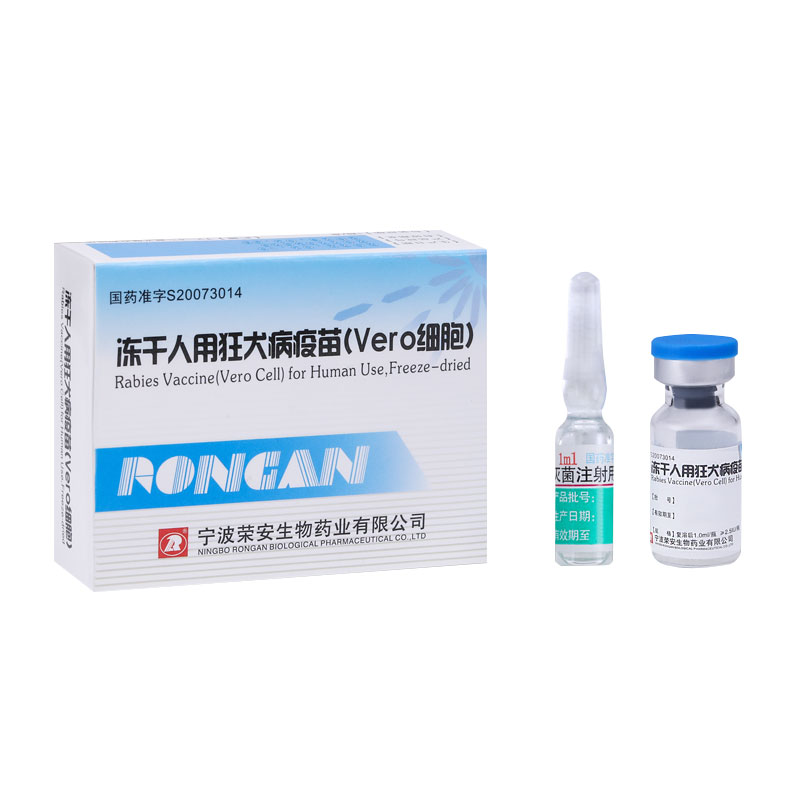
A: The Post Exposure Rabies Vaccination is supplied as a freeze‑dried powder in vials, with separate diluent ampoules. Each carton contains a specified number of vials (e.g., 5 or 10 doses) with full product inserts in multiple languages. We support customizable labeling per your local regulatory requirements.
Q: What is the expiry date of the vaccine upon arrival?
A: The shelf life is typically 24‑36 months from the date of manufacture. We always ship batches with at least 18 months of remaining shelf life to ensure ample time for distribution and use. The exact expiry is printed on each vial and carton.
Q: Do you provide training for healthcare staff on the vaccination protocol?
A: Yes, we offer downloadable training materials, including step‑by‑step posters and video guides for wound washing, injection technique, and immunoglobulin infiltration. For large‑scale government tenders, we can arrange on‑site or virtual training sessions with our clinical experts.
Partnering for Public Health
The Post Exposure Rabies Vaccination After Cat Bite Incidents is more than a product – it is a public health tool that saves lives when promptly and correctly used. AIM Honor (Ningbo) Biopharmaceutical Co., Ltd. is dedicated to supporting healthcare systems worldwide with not only high‑quality vaccines but also the technical assistance and reliable supply that make mass immunization programs successful.
● Responsive Customer Service: Our dedicated international sales team replies within 24 hours to inquiries, provides full documentation (Certificate of Analysis, Stability Data, Regulatory Dossiers), and assists with customs clearance.
● Flexible Order Quantities: Whether you need a small pilot batch or a multi‑million dose tender, our manufacturing capacity scales accordingly. We reserve production slots for committed orders to ensure on‑time delivery.
● Continuous Quality Improvement: We actively collect post‑market feedback and adverse event reports to refine our products and services. Our 17‑year record of 100% batch release qualification speaks to our unwavering commitment to quality.
● Global Collaboration: We have established partnerships with government health authorities, UNICEF‑like agencies, and private hospital chains. Our participation in CPHI Shanghai and CPHI Europe keeps us connected to the latest international standards and customer needs.
In conclusion, choosing AIM Honor as your supplier for the Post Exposure Rabies Vaccination means gaining a partner who understands the urgency of rabies prevention, the complexity of supply chains, and the importance of patient‑centric care. Contact us today to start a collaboration that protects communities, one cat bite at a time.
Related Products




Hot Products

A-Type Meningitis Vaccine
To better prevent meningococcal meningitis, you can choose AIM Persistence Biopharmaceutical Co., Ltd. as your A-Type Meningitis Vaccine manufacturer. We have our own brand, and our vaccines offer strong protection, not only effectively preventing A-type meningococcal meningitis but also providing protection against other serotypes.
Hepatitis A and B Vaccines
AIM Honesty Biopharmaceutical Co., Ltd. is a reliable manufacturer. Our independently developed Hepatitis A and B vaccines utilize advanced technology, offering strong immune effects and providing long-lasting protection. They have demonstrated excellent results in comparisons with many imported products of the same dosage and various domestic products with different dosages.
Meningitis Preventive Vaccine
AIM Persistence Biopharmaceutical Co., Ltd. is a professional manufacturer of Meningitis Preventive Vaccines. Vaccination with this safe and effective vaccine can prevent acute infectious diseases caused by Neisseria meningitidis, providing reliable protection, which is especially important during the high-incidence seasons of spring and winter.
Bacterial Meningitis Vaccine
You can confidently choose AIM Persistence Biopharmaceutical Co., Ltd. as your Bacterial Meningitis Vaccine manufacturer and supplier. Our vaccines have achieved high coverage and recognition in China and provide a reliable option for international partners, offering precise prevention against the four most prevalent serotypes of meningococcal meningitis.
Human Diploid Hepatitis A Vaccine
If you are looking for a manufacturer that can provide a stable, long-term supply of Human Diploid Hepatitis A Vaccine, you can choose AIM Action Biopharmaceutical Co., Ltd. from China. We produce vaccines using internationally recognized safe human diploid cells (KMB17) as the culture medium, eliminating the potential risk of viral contamination and tumorigenicity associated with animal-derived cells, resulting in a purer and safer product.
Inactivated Hepatitis A Vaccine
AIM Action Biopharmaceutical Co., Ltd., a wholly-owned subsidiary of AIM Vaccine Co., Ltd., is a reliable supplier with Inactivated Hepatitis A Vaccine as its core product. We utilize classic inactivation technology to completely eliminate the virus's replication ability while retaining its immunogenicity, thus fundamentally preventing the risk of infection caused by vaccination.
- Related Blog
- Reviews
