
News
Industry News
 04 2026-06
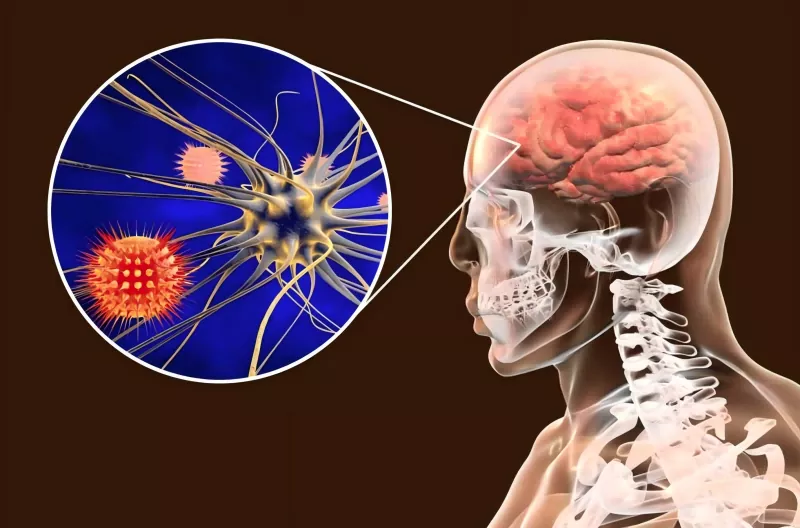
 Meningococcal Vaccine Guide
Epidemic cerebrospinal meningitis is an acute respiratory infectious disease caused by Neisseria meningitidis, which can lead to purulent meningitis and sepsis. This disease spreads easily, and both patients and asymptomatic carriers can transmit the virus.
 01 2026-06
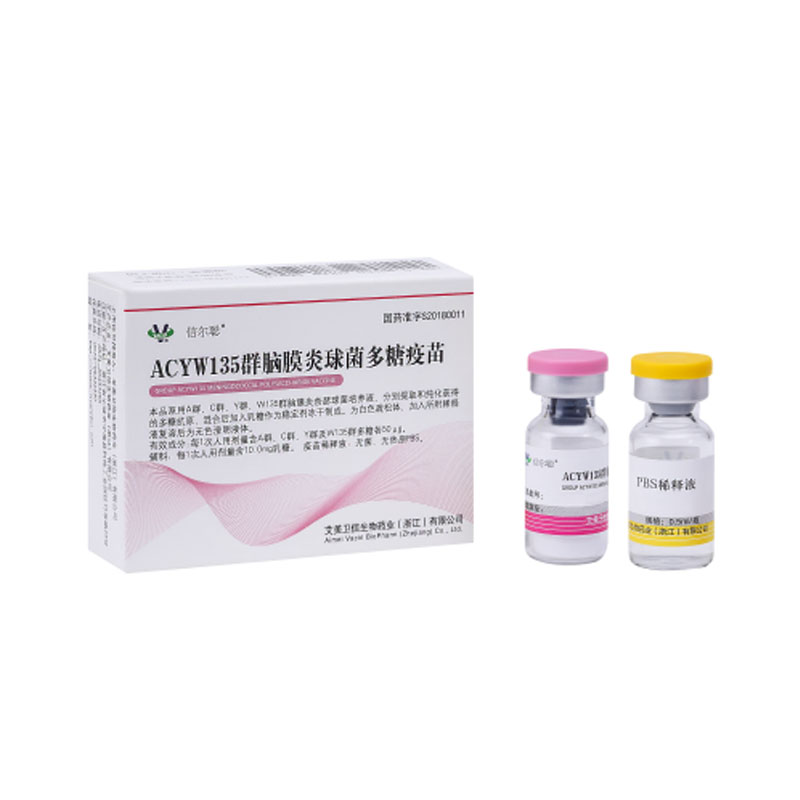
 Why Is Meningococcal Polysaccharide Vaccine Essential for Protecting Against Serious Meningococcal Disease?
Meningococcal disease is one of the most rapidly progressing bacterial infections in the world. It can lead to meningitis, bloodstream infections, permanent disabilities, and death within hours. Vaccination remains the most effective preventive measure.
 26 2026-05
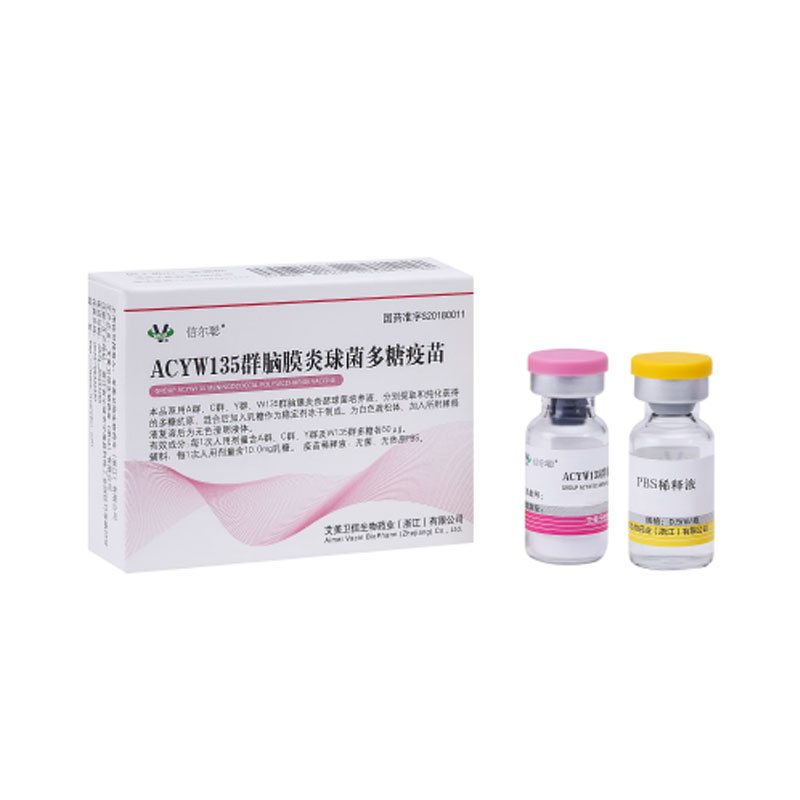
 Why Is the Meningitis Vaccine So Important for Protection?
Meningitis is a potentially life-threatening infection that affects the protective membranes surrounding the brain and spinal cord. It can progress rapidly, sometimes within hours, making early prevention critical. The meningitis vaccine plays a vital role in reducing the risk of severe complications, disability, and death caused by different types of meningococcal bacteria.
 18 2026-05
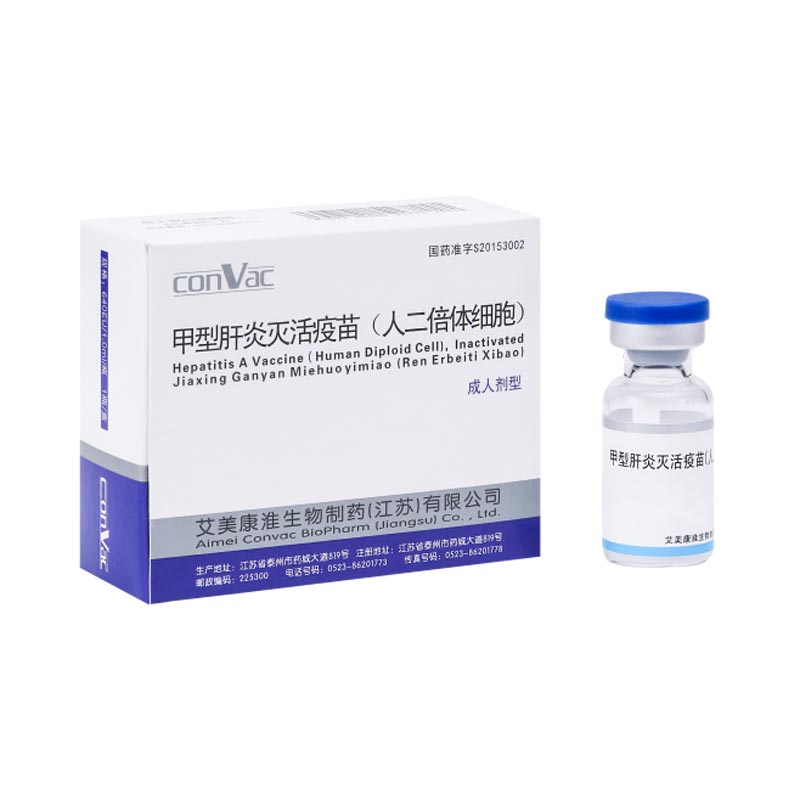
 Why Is Hepatitis A Vaccine for Prevention Essential for Long-Term Health Protection?
Hepatitis A is a contagious viral infection that affects the liver and spreads mainly through contaminated food, water, and close personal contact. Vaccination remains one of the most effective methods for preventing outbreaks and reducing severe complications. This article explores everything readers need to know about hepatitis A vaccines, including how they work, who should get vaccinated, vaccine schedules, side effects, protection duration, public health benefits, and common misconceptions.
 12 2026-05
 Why Is Children Hepatitis A Vaccine Important for Kids’ Health?
Hepatitis A is a highly contagious liver infection that can spread easily among children through contaminated food, water, or close contact. Although many cases resolve without long-term damage, the illness can still cause severe symptoms, missed school days, hospitalization, and complications in vulnerable children. This article explores the importance of the Children Hepatitis A Vaccine, how it works, recommended schedules, safety considerations, and real-world benefits.
 09 2026-05
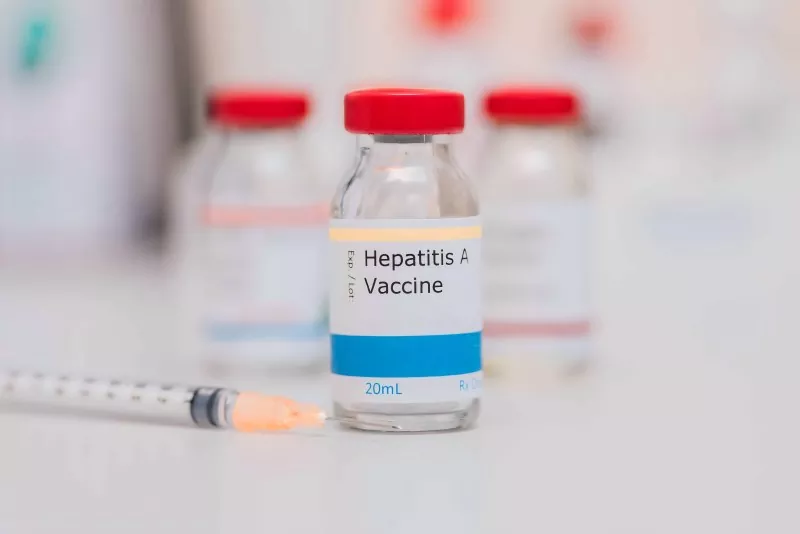
 How to Choose Between Live Attenuated and Inactivated Hepatitis A Vaccines?
When vaccinating children against hepatitis A, parents often face a choice: should they use the live attenuated hepatitis A vaccine or the inactivated hepatitis A vaccine?